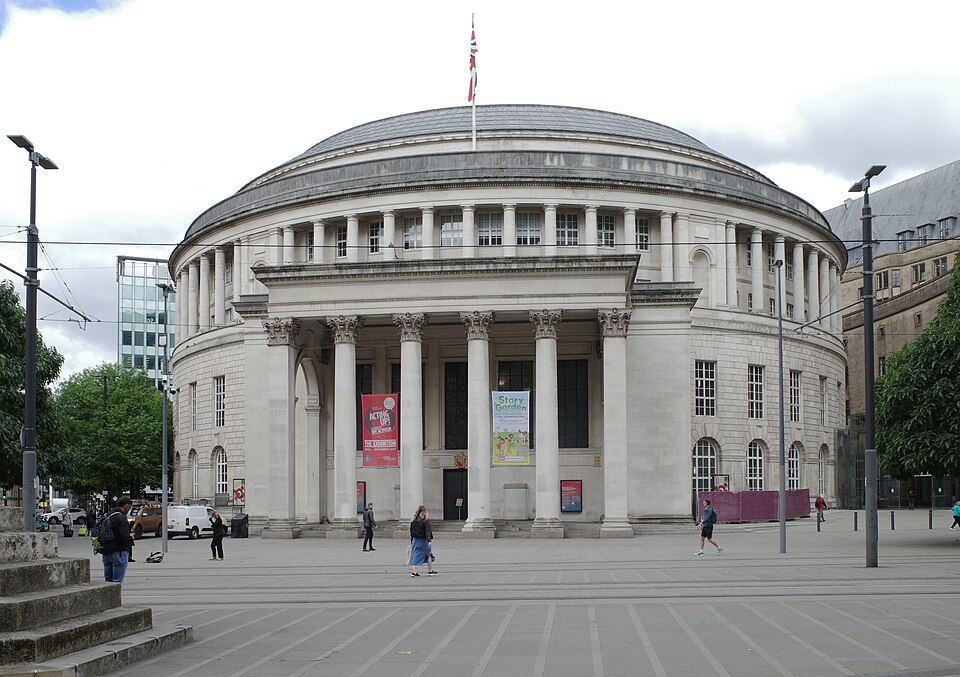
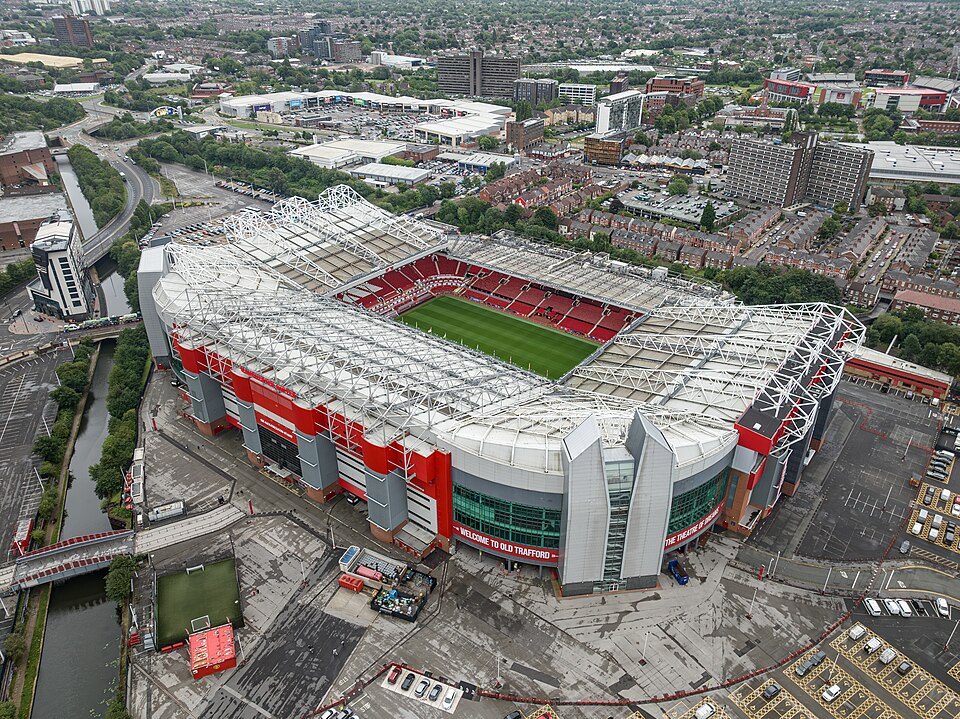
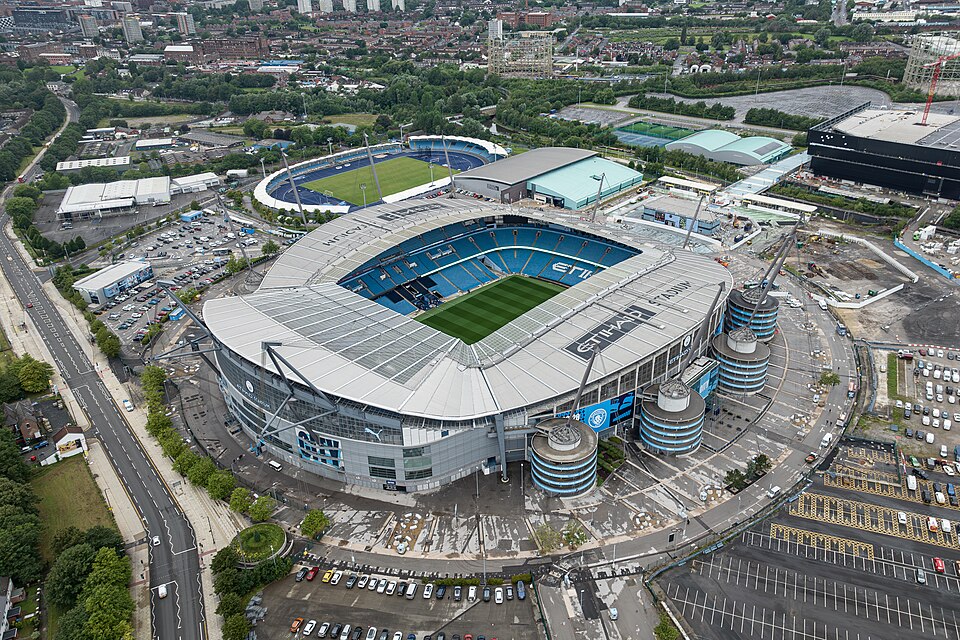
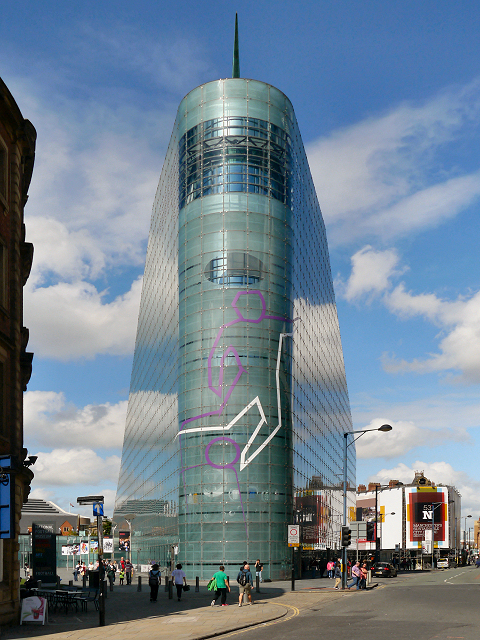
Looking for public toilets in Manchester, an accessible toilet, or somewhere with baby changing before you head out? This guide brings together the public loos mapped by the community alongside the best of the city — restaurants, bars, clubs, hotels and attractions — each led by documented accessibility notes where the sources exist. Manchester is unusually well served for Changing Places toilets, from the Science and Industry Museum and Central Library to both football stadiums, the National Football Museum, People's History Museum, Imperial War Museum North and even Heaton Park. And where the data doesn't exist yet, you can be the first to add it in Shooki.
Last updated:
Public toilets
56
public toilets mapped in Manchester
26
flagged as wheelchair accessible
7
with baby changing confirmed
56 public toilets mapped by the community
See every mapped public toilet on the live map, with walking directions, in the Shooki app.
Tom Barnes cooked at L'Enclume before opening Skof in a converted textile warehouse on Federation Street, and the industry noticed fast: a Michelin star within a year, kept in the 2026 guide, and a local best-restaurant title to go with it. Three seasonal modern-British tasting menus run through a stripped-back industrial room, precise and quietly ambitious, and tables disappear months in advance. It is Manchester's fine-dining moment made concrete — proof the city no longer sends its serious eaters to Cumbria. Book far ahead, arrive hungry, and let the kitchen lead. Access isn't documented on its pages yet, so if step-free entry matters, ring before you book.
Not yet mapped: be the first to add it in Shooki.
#2
Adam Reid at The French
Area: City centre
Inside the grand Midland Hotel — the one where Rolls met Royce — Adam Reid, a Great British Menu winner, serves a set tasting menu of Northern-influenced modern British food across a hushed, four-rosette dining room. It is old-fashioned occasion dining brought up to date: six or ten courses, technically exact, rooted in the produce and memory of the North. The 2026 Michelin guide keeps it in its selection, and it remains one of the city's true special-occasion rooms. Expect a premium price and a long, unhurried evening. The hotel is a landmark building; confirm access arrangements with The Midland directly when you book.
Not yet mapped: be the first to add it in Shooki.
#3
San Carlo
Area: City centre
For over twenty years San Carlo has been King Street's see-and-be-seen Italian, the room where visiting footballers and pop stars end up on a Saturday night. The cooking is classic and confident — proper pasta, grilled meat and seafood, produce flown in from Italy — served in a buzzy, polished dining room that rarely has a quiet table. Critics sometimes say it coasts on its reputation, but the reputation is earned and the plates land. It is a Manchester institution as much as a restaurant. Access details aren't published, so contact the restaurant ahead if step-free entry or an accessible toilet matters to your visit.
Not yet mapped: be the first to add it in Shooki.
#4
El Gato Negro
Area: City centre
Spread across three floors of a converted King Street townhouse, El Gato Negro does Spanish tapas with a Josper grill at its heart and a retractable-roof bar on top. It carries a Michelin Bib Gourmand in the 2026 guide — the inspectors' shorthand for serious cooking at a fair price — and locals treat it as the sensible way to eat near-Michelin without the bill. Sharing plates, grilled meats and a proper sherry list make it as good for a long lunch as a late one. It is one of central Manchester's most reliable tables. Access across its several floors isn't documented; ask when booking if stairs are a concern.
Not yet mapped: be the first to add it in Shooki.
#5
Higher Ground
Area: City centre
Higher Ground began as a 2020 pop-up and became one of the most talked-about kitchens in the North, run by the team behind the wine bar Flawd and a regenerative Cheshire farm called Cinderwood. The short, changing menu leans on seasonal vegetables, whole-animal butchery and hand-rolled pasta, poured alongside natural wine in a bright room with an open kitchen. A Michelin Bib Gourmand and a top-40 place in the 2025 National Restaurant Awards followed. Portions are considered rather than generous — this is cooking to think about. Its access provision isn't published online, so message ahead if you need step-free entry or an accessible loo.
Not yet mapped: be the first to add it in Shooki.
#6
Bundobust
Area: Piccadilly
Bundobust pairs all-vegetarian Gujarati street food with a proper craft-beer list, and has been quietly winning Manchester over since 2017. The plates are small, cheap and full of chilli, chaat and fried things worth queuing for, served in a stripped-back communal room where nobody minds sharing a bench. It routinely turns up on lists of the city's best-value meals, and converts committed carnivores without trying. Come with a group, order too much, and finish with the okra fries. On access, its pages don't spell out step-free entry or accessible facilities, so it's worth a quick call ahead if that matters — the room itself is open and level once you're in.
Not yet mapped: be the first to add it in Shooki.
#7
Hawksmoor
Area: Deansgate
The Manchester branch of the acclaimed British steakhouse does one thing extremely well: grass-fed, dry-aged native beef, cooked over charcoal and served with the sort of chips and bone-marrow gravy that ruin you for lesser steaks. There's a serious cocktail bar attached and a Sunday roast worth the walk. It is the city-centre special-occasion table people default to, loud and warm at peak. It also scores where many grand rooms don't: its own location page lists it as fully wheelchair accessible — a rarity at this scale — so wheelchair users can plan a big steak night with more confidence than most restaurants of its size allow.
Hawksmoor's own Manchester location page states the restaurant is fully wheelchair accessible; the Good Food Guide also lists wheelchair access.
#8
Mana
Area: Ancoats
When Simon Martin won Mana a Michelin star in 2019, it was Manchester's first in over forty years — a genuine turning point for the city's food scene, and a star it still holds in 2026. The format is an avant-garde surprise tasting menu built on British produce, foraged ingredients and seafood, eaten at a counter with a full view of the kitchen. Recently refurbished, it remains the ambitious end of Ancoats dining, cerebral and precise. This is a book-well-ahead, clear-the-evening restaurant. Access isn't detailed on its site; because seating is counter-led, it's worth contacting the team directly about step-free entry and seating if you have mobility needs.
Not yet mapped: be the first to add it in Shooki.
#9
Erst
Area: Ancoats
Erst is the natural-wine bar Ancoats didn't know it needed: a stripped-back, industrial room where a Robata grill cooks over coals and wood, and the short menu of small plates changes with whatever's good. It holds a Michelin Bib Gourmand for exactly this — clever, low-key cooking at a fair price — and draws a crowd that takes its wine seriously without any fuss. Come for a few plates and a glass of something cloudy, stay because the next dish sounds too good to skip. It's one of the neighbourhood's defining rooms. Its access provision isn't published, so ask ahead if step-free entry or an accessible toilet is important.
Not yet mapped: be the first to add it in Shooki.
#10
Rudy's Pizza Napoletana
Area: Ancoats
This Cotton Street site is where Rudy's began before it became a homegrown group, and it still draws a queue for light, blistered, quickly-cooked Neapolitan pizzas made with Italian-sourced ingredients at prices that feel like a mistake. The room is buzzy and unfussy, the margherita is the benchmark, and the whole thing runs with the easy confidence of a place that knows exactly what it is. It's an Ancoats institution and one of the best cheap-ish meals in the city. Its access details aren't spelled out online, so it's worth a quick call ahead if you need step-free entry — the pizzas, thankfully, travel well as a takeaway too.
Not yet mapped: be the first to add it in Shooki.
#11
Pollen Bakery
Area: Ancoats
Pollen has been baking beside the Ancoats canal since 2016, and its laminated pastries and sourdough regularly land it on lists of the best bakeries in Britain. The original Cotton Field Wharf site has waterside seating, morning queues and a croissant that sets the standard for the city; the cinnamon buns and seasonal Danishes are worth the elbows. It's a bakery-café rather than a restaurant, but it's an essential Manchester eat all the same — the sort of place that anchors a neighbourhood. Access isn't documented on its pages, so if step-free entry matters, ask ahead; the canalside terrace is the reward on a rare dry Manchester morning.
Not yet mapped: be the first to add it in Shooki.
#12
Mackie Mayor
Area: Northern Quarter
Mackie Mayor turned a beautiful Victorian market building on the edge of the Northern Quarter into a food hall, home to around six independent kitchens — Honest Crust pizza, a fish bar, bao and more — under one restored roof, plus coffee and a central bar. You grab a communal table, wander between counters and eat whatever wins. It's one of the most enjoyable casual meals in the city, especially at weekend brunch. On access, its main hall is documented as step-free with accessible routes and toilets usually available; one source notes steps at an entrance, so aim for the main level entrance and check with staff on arrival if you're wheeling in.
Step-free entry and accessible routes through the main hall are documented, with accessible toilets usually available; note that one source reports steps at an entrance, so use the main level entrance and check on arrival.
#13
This & That
Area: Northern Quarter
Open since 1984 on a Northern Quarter back street, This & That is widely credited as the birthplace of Manchester's 'rice 'n' three' — a plate of rice with three curries, ladled out canteen-style for the price of a sandwich. There's no ceremony and often a lunchtime queue out the door: you point, you pay, you find a seat, you leave full and happy. It is a genuine cheap-eats institution and a rite of passage for anyone new to the city. Its access isn't formally documented, so if step-free entry is a concern it's worth checking ahead — the operation is small, busy and gloriously no-frills.
Not yet mapped: be the first to add it in Shooki.
#14
SAMPA
Area: Northern Quarter
SAMPA is a twelve-seat chef's counter where Caroline Martins cooks a surprise Brazilian-British tasting menu, from warm pão de queijo to a dessert disguised as a woodland toadstool. It's intimate, personal and unlike anything else in the city — the kind of meal where the chef talks you through each plate and the room feels like a dinner party you got lucky to be invited to. Reviewers have flagged it as one of Manchester's most exciting newer tables. With only a dozen seats it books up quickly, and because it's a counter format it's worth contacting the team directly about access and seating if you have mobility needs before reserving.
Not yet mapped: be the first to add it in Shooki.
#15
Tattu
Area: Spinningfields
Tattu does contemporary Chinese food as theatre: elaborate dim sum, dishes that arrive under smoke or fire, and an ornate cherry-blossom interior built for a big night out in Spinningfields. It's a high-gloss, high-energy room with a cocktail list to match, more special-occasion showpiece than neighbourhood local — and it delivers exactly the evening it promises. Come for a celebration, order the black-cod and the theatrical desserts, and lean into the spectacle. Its access provision isn't published online, so if you need step-free entry or an accessible toilet, contact the restaurant ahead of a visit; the dining room is large, but the staging is part of the draw.
Not yet mapped: be the first to add it in Shooki.
#16
20 Stories
Area: Spinningfields
Manchester's highest restaurant sits on the nineteenth floor of No.1 Spinningfields, roughly a hundred metres up, with 360-degree skyline views, a rooftop terrace and modern British cooking à la carte or as a tasting menu. The view is the headline — few tables in the city can compete on a clear evening — but the kitchen holds its own, and the terrace is one of the best warm-weather perches around. It's a lift ride to a proper occasion. Because access to a top-floor venue depends on lifts and terrace routes, it's worth confirming step-free arrangements with the restaurant when you book, especially if you'd like the outdoor terrace.
Not yet mapped: be the first to add it in Shooki.
#17
Mughli Charcoal Pit
Area: Rusholme
On Rusholme's Curry Mile since the early 1990s, Mughli is built around an angithi charcoal pit and tandoor, turning out North Indian and Pakistani Mughlai cooking and Lahori street food that keeps the place packed. The grilled lamb chops are the thing people cross the city for, and the room has aged into a proper institution rather than a tourist stop. It's also more considered than most on access: it's documented as wheelchair accessible with vegetarian options, so a mixed group can eat well here. Go hungry, order the chops, and let the charcoal do its work.
Documented as wheelchair accessible, with vegetarian options.
#18
MyLahore
Area: Rusholme
MyLahore is the Curry Mile's modern take on the traditional curry house: a bright, family-friendly Pakistani and Kashmiri restaurant serving halal food, famous milkshakes and a menu that ranges from breakfast to late-night grills. It's aimed squarely at families and big groups, and it does that job well, which is why it's usually busy. On access, it's listed as wheelchair accessible with facilities toward the rear of the room — but an older review reported a wheelchair user having difficulty, so the picture is mixed and it's worth ringing ahead to confirm your specific needs. When it's on form, it's one of the easiest, most inclusive tables on the Mile.
Listed as wheelchair accessible with facilities toward the rear of the restaurant; note that an older review reported difficulty for a wheelchair user, so it's worth confirming your needs with the venue ahead.
#19
Little Yang Sing
Area: Chinatown
A George Street mainstay run by Warren Yeung, Little Yang Sing has kept Manchester's Chinatown in dim sum and Cantonese banquets for decades, with a long menu and genuinely good vegetarian options that make it easy for a mixed table. It's the comfortable, know-your-order end of Chinatown dining — no theatre, just proper cooking and a room that regulars treat as a second dining room. Come for dim sum at lunch or a shared banquet at night. Its access details aren't documented online, so if step-free entry or an accessible toilet is important, it's worth a quick call ahead before you gather the group.
Not yet mapped: be the first to add it in Shooki.
#20
Red Chilli
Area: Chinatown
Red Chilli brought proper Sichuan and Beijing cooking to Portland Street — reputedly the city's first Sichuan restaurant — and still draws people in for chilli-oil dishes, hand-pulled noodles and small plates with real numbing heat. It's the antidote to safe, sweet-and-sour Chinatown clichés: order the mapo tofu and the cumin lamb and let it bite. A long-running favourite for anyone who takes their Sichuan seriously. Access provision isn't published, so if you need step-free entry or an accessible loo, contact the restaurant ahead of your visit — and bring water, because the kitchen doesn't hold back on the Sichuan peppercorns.
Not yet mapped: be the first to add it in Shooki.
Bars & pubs
#1
City Arms
Area: City centre
A compact two-room pub on Kennedy Street that's been pouring for around 190 years, the City Arms is a proper cask-ale stronghold — named Central Manchester CAMRA Pub of the Year in 2025 and a long-standing Good Beer Guide fixture. Half a dozen ever-changing hand-pulls, a lunchtime crowd of office workers and a genuinely convivial back room make it the city's classic real-ale stop. It's the pub to send anyone who thinks Manchester is all rooftop cocktails. On access, CAMRA's notes are honest: a corridor door takes a small-to-medium wheelchair and the bar is reachable, but there's no accessible toilet, so factor that in before a long session.
CAMRA's mobility notes record a corridor door accessible to a small-to-medium wheelchair and toilets reachable from the lower level, but there is no accessible toilet — worth planning around.
#2
Peveril of the Peak
Area: City centre
You'll spot the Peveril from a street away — its emerald green glazed-tile exterior is one of Manchester's most photographed pub frontages, wrapping a Grade II-listed late-Victorian interior of period woodwork, tilework and stained glass that CAMRA rates among the nationally important. Inside it's all warmth and character: a family-run survivor that feels untouched by decades of change, with a table-football table and a proper pint. It's a heritage pub crawl in a single building. Access is honest rather than ideal: the doors are on the level for wheelchair users, though corridors run narrow, and there are ground-floor toilets but no accessible one, so plan accordingly.
CAMRA notes the doors are on the level for wheelchair access though corridors can be narrow; there are ground-floor toilets but no accessible toilet.
#3
The Marble Arch
Area: City centre
Built in 1888 and Grade II listed, the Marble Arch hides a showstopper: a barrel-vaulted ceramic-tiled interior of outstanding national historic importance, with a sloping mosaic floor and a frieze of beer ingredients running the walls. Once the brewery tap for Marble Beers, it remains one of the North's great cask-ale destinations, its own and guest ales poured under Victorian glaze. It's a pilgrimage pub for beer lovers. Access is partly there and honestly stated: the entrance, seating and bar are wheelchair accessible, but the toilet sits down steps from the main bar and isn't accessible — so it's a fine stop for a pint, with that caveat noted upfront.
CAMRA records a wheelchair-accessible entrance, seating and bar, but the toilet is not wheelchair accessible as it sits down steps from the main bar.
#4
Mr Thomas's Chop House
Area: City centre
Established in 1867, Mr Thomas's is a Victorian chop house and pub on Cross Street, Grade II listed with a cast-iron frame and Art Nouveau terracotta detailing that make the narrow room feel like a preserved slice of the city's mercantile heyday. It's still independent, still serving proper British food — corned beef hash, steak and kidney pudding — alongside well-kept cask ale in a tiled back room built for lingering. A Manchester institution that has outlasted almost everything around it. Its access provision isn't documented online, so if step-free entry or an accessible toilet matters, it's worth ringing ahead — the building is a characterful Victorian one, with all that implies.
Not yet mapped: be the first to add it in Shooki.
#5
Sinclair's Oyster Bar
Area: Cathedral quarter
A timber-framed survivor with 18th-century origins, Sinclair's was physically moved and rebuilt at Shambles Square after the 1996 bomb reshaped the city centre, and now trades as a Samuel Smith's house beside the cathedral. That means famously cheap pints in a wonky, low-beamed, gloriously old-fashioned interior, with a busy square outside for warm days. It's a slice of pre-modern Manchester marooned among the shopping streets, and all the better for it. Access details aren't published, so if you need step-free entry it's worth checking first — the historic timber-framed building has uneven floors and low doorways that come with the centuries of character.
Not yet mapped: be the first to add it in Shooki.
#6
The Abel Heywood
Area: Northern Quarter
A Hydes Brewery pub with a boutique hotel above it, the Abel Heywood fills a handsome Northern Quarter building with locally brewed cask ale, world craft beer and a broad spirits range, plus proper pub food. Named after a reforming 19th-century Manchester mayor, it manages to be both a serious beer pub and an easy place to bring anyone. It also stands out on access among the neighbourhood's older buildings: hotel booking listings describe a lift to all floors with wheelchair access and accessible bathrooms — so wheelchair users can reach the beer and the bedrooms without the usual heritage-pub obstacle course.
Hotel booking listings describe a lift to all floors with wheelchair access and accessible bathrooms; the pub sits in the Northern Quarter, near Victoria station.
#7
Head of Steam
Area: Northern Quarter
Camerons Brewery opened this Head of Steam in November 2025 inside a Grade II-listed former tailor's building on Newton Street, keeping the heritage features while running a rotating cast of cask and craft keg lines. It's the newest arrival among the Northern Quarter's beer bars but already feels settled — a big, characterful room that takes its ale seriously without the reverence. A good first stop on a Manchester beer crawl before the streets get busier. As a recently opened venue its access provision isn't fully documented yet, so if step-free entry or an accessible toilet is important, it's worth a quick call ahead to confirm what the listed building allows.
Not yet mapped: be the first to add it in Shooki.
#8
Port Street Beer House
Area: Northern Quarter
Port Street Beer House helped build Manchester's modern craft-beer scene and remains a cornerstone of it: rotating UK and international keg and cask taps, a deep bottle list and a hidden upstairs bar for the overflow. It's a beer-nerd's pub in the best sense — knowledgeable staff, a board that changes constantly, and a crowd that's there for what's in the glass. Come for a rare tap you won't find elsewhere and stay for the next one. Its access details aren't published online, so if you need step-free entry or an accessible loo, it's worth checking ahead — the upstairs bar in particular is reached by stairs.
Not yet mapped: be the first to add it in Shooki.
#9
Café Beermoth
Area: City centre
A Belgian-style beer café on Spring Gardens, Café Beermoth pours around ten keg and seven cask lines alongside a large bottle selection, plus coffee and food, in a bright continental room that invites an afternoon rather than a quick half. Sibling to the well-loved Beermoth bottle shop, it treats beer with real care but wears it lightly — as good for a solo pint and a book as a lively evening. One of the most civilised drinking rooms in the city centre. Its access provision isn't documented, so if step-free entry matters it's worth asking ahead; the café layout is more open than most of the city's older beer pubs.
Not yet mapped: be the first to add it in Shooki.
#10
Cloudwater Brew Co Taproom
Area: Piccadilly
The taproom of one of Britain's most acclaimed modern breweries sits in a railway arch behind Piccadilly station, pouring around twenty draught taps and a couple of cask lines of Cloudwater's freshest and barrel-aged beer, often days from the tank. It's a place to taste the hyped hazy IPAs and experimental releases at source, in a stripped-back industrial space that fills with a knowledgeable weekend crowd. Essential for anyone following UK craft beer. Access to the arch isn't formally documented, so if you need step-free entry it's worth confirming ahead — the trading-estate setting can be less obvious to navigate than a high-street pub.
Not yet mapped: be the first to add it in Shooki.
#11
Track Brewing Co Taproom
Area: Piccadilly
Track is one of Manchester's most respected breweries, and its taproom on the Piccadilly Trading Estate pours roughly twenty keg and a few cask lines of its freshest beer, leaning into crisp, American-style IPAs and pale ales. The arch-and-industrial-unit setting is pure modern Manchester craft — communal benches, a rotating board and beer that rarely travels far from where it's made. Pair it with a Cloudwater visit nearby for a proper taproom crawl. As with its neighbours, access to the trading-estate unit isn't documented, so wheelchair users should check step-free entry ahead of a visit; the reward is some of the sharpest beer in the city.
Not yet mapped: be the first to add it in Shooki.
#12
Wilson's Social
Area: Northern Quarter
An all-day bar and restaurant on Oldham Street, Wilson's Social runs eighteen-plus beer taps — plenty of local craft — alongside cocktails and small plates, with weekly quizzes and a relaxed, everyone's-welcome feel that suits both an afternoon and a big night. It's the sort of flexible Northern Quarter spot you end up in without planning to and leave several rounds later. A dependable anchor on a street full of options. Its access provision isn't published, so if step-free entry or an accessible toilet is important, a quick call ahead is worth it — the room itself is broad and casual once you're inside.
Not yet mapped: be the first to add it in Shooki.
#13
Schofield's Bar
Area: City centre
Brothers Joe and Daniel Schofield brought serious cocktail pedigree home to Manchester with this multi-award-winning bar in the art-deco Sunlight House, and it shows in every glass: precise, classic-leaning drinks, an upmarket room and service that treats a Negroni like a craft. It regularly lands on lists of the world's best bars, and remains the city's benchmark for a grown-up cocktail. Come for a martini done exactly right. Its access details aren't documented online, so if you need step-free entry or an accessible toilet, it's worth contacting the bar ahead — the Sunlight House setting is a handsome period building worth knowing your route around.
Not yet mapped: be the first to add it in Shooki.
#14
The Morris
Area: Northern Quarter
From the Blinker team, The Morris pairs a casual pub downstairs with a retro, 1970s-inspired cocktail bar above, where playful carbonated cocktails are pulled almost like pints. It's a clever two-in-one: pop in for a straightforward drink or head upstairs for something more inventive, all with the easy confidence of a team that knows its craft. One of the Northern Quarter's most likeable newer additions. Because the cocktail bar sits upstairs, access depends on the stairs, and provision isn't documented online — so wheelchair users should check ahead about the ground-floor pub, which is the more level of the two spaces.
Not yet mapped: be the first to add it in Shooki.
#15
Speak in Code
Area: City centre
Tucked on Jackson's Row, Speak in Code is an intimate, award-winning cocktail bar with a sustainability-minded, largely plant-based menu and a hip-hop soundtrack that keeps the mood loose. It's a regular on best-bar lists for good reason — the drinks are inventive and precise without being precious, and the small room makes every visit feel like you're in on something. Come early for a seat. Its access provision isn't published, so if you need step-free entry or an accessible toilet, it's worth messaging ahead — the bar is compact, which is part of its charm but worth knowing before you arrive.
Not yet mapped: be the first to add it in Shooki.
#16
Blinker
Area: City centre
Dan Berger's Blinker is the relaxed, quietly excellent end of Manchester cocktails: a monthly-changing menu built around four seasonal British flavours, plus dedicated martini and highball sections for purists. There's no theatre or gimmick — just well-made drinks in an easy Spring Gardens room that rewards regulars. It's the bar to trust when you want something interesting without a production. Its access details aren't documented online, so if step-free entry or an accessible toilet is important, contact the bar ahead of your visit; the welcome, by all accounts, is as unfussy as the drinks.
Not yet mapped: be the first to add it in Shooki.
#17
Dusk Til Pawn
Area: Northern Quarter
Disguised as a working pawn shop on Stevenson Square, Dusk Til Pawn is one of Manchester's longest-running speakeasy-style bars — push past the shopfront into a vintage room with a free jukebox and a menu of original cocktails that don't take themselves too seriously. It's compact, well-established and beloved precisely because it never tried to be the flashiest bar in the neighbourhood. A reliable late one. Its access provision isn't documented, so if you need step-free entry it's worth checking ahead — the disguised entrance and small interior are part of the fun but worth scoping first.
Not yet mapped: be the first to add it in Shooki.
#18
The Washhouse
Area: Northern Quarter
The Washhouse hides behind a working laundrette on Shudehill — you book ahead, you find the entrance, and you're led into a theatrical cocktail den where drinks arrive in unusual vessels and the menu changes with the season. It's the city's most committed speakeasy, more experience than bar, and a guaranteed talking point for a special night. Booking is essential, and half the fun is the hunt for the door. Its access provision isn't documented online, so if step-free entry or an accessible toilet is important, contact the venue when you book — the concealed entrance in particular is worth confirming a route for in advance.
Not yet mapped: be the first to add it in Shooki.
#19
Cloud 23
Area: Deansgate
On the 23rd floor of the Beetham Tower, Cloud 23 is Manchester's long-standing sky bar — panoramic city views through floor-to-ceiling glass, signature cocktails, champagne and a popular afternoon tea, open from lunchtime for those who want the view in daylight. It's a dress-up, book-a-window-table occasion rather than a casual pint, and the vista does most of the work. A classic Manchester 'take the visitors here' spot. Access is by lift to the tower's upper floors; the bar's specific provision isn't detailed online, so it's worth confirming step-free arrangements when you book, particularly for a window table.
Not yet mapped: be the first to add it in Shooki.
#20
Atlas Bar
Area: Deansgate
Set in the railway arches at the bottom of Deansgate, Atlas has spent over twenty years building a gin list that runs into the hundreds — one of the biggest in the country — served in a ground-level café-bar that's as happy with a daytime coffee as a late gin and tonic. Despite the occasional rooftop-guide mix-up, it's very much an arches-and-street-level spot, which makes it more approachable than its list suggests. Come for a guided tour through the gin. Its access provision isn't formally documented, so if you need step-free entry it's worth a quick check ahead — the arch setting is broadly level but worth confirming for your visit.
Not yet mapped: be the first to add it in Shooki.
Clubs & nightlife
#1
The Warehouse Project
Area: Mayfield
The Warehouse Project is Manchester's flagship dance-music series, and for a September-to-New-Year season it turns the cavernous Depot Mayfield beside Piccadilly into a dancefloor big enough for thousands, pulling the world's headline electronic acts. It is the modern heir to the city's rave heritage, and for many the reason to visit Manchester in winter at all. It also takes access seriously for an event of its scale: a designated wheelchair viewing platform in the Depot, an accessible viewing area in the Concourse, and accessible toilets available, with requirements arrangeable in advance. Book the access provision as early as the tickets — both go fast.
A designated wheelchair viewing platform in the Depot and an accessible viewing area in the Concourse, with accessible toilets available; access requirements can be arranged in advance.
#2
Hidden
Area: Strangeways
Hidden lives up to the name — a roughly 650-capacity, multi-room warehouse club tucked inside Downtex Mill near Victoria, a hub for house, disco and techno since 2015 with a heavyweight soundsystem and a properly underground crowd. It's the kind of place that runs long and loud, programming both local heroes and touring names away from the city-centre glare. One for the committed rather than the casual. Its access provision isn't documented online, so wheelchair users should contact the venue ahead — the converted-mill setting means it's worth confirming step-free entry and facilities before a late night out this side of the centre.
Not yet mapped: be the first to add it in Shooki.
#3
Soup
Area: Northern Quarter
Formerly Soup Kitchen, this intimate two-floor bar, canteen and club on the edge of the Northern Quarter has long punched above its size, with a basement known for serious underground techno and house alongside gigs from artists on the way up. Upstairs it's a relaxed bar and kitchen; downstairs it's sweaty, dark and exactly the right size. A beloved fixture of the city's grassroots scene. The basement is reached by stairs and access provision isn't documented, so wheelchair users should check ahead about the ground-floor bar, which is the more level of the two spaces, before planning a night here.
Not yet mapped: be the first to add it in Shooki.
#4
The Loft
Area: North city fringe
Opened in 2021 in a converted two-storey industrial unit and run by the team behind Progress and Animal Crossing, The Loft is a multi-room club built for house and techno, with the raw warehouse feel the city's dancers gravitate to. It's part of the wave of spaces keeping Manchester's late-night scene thriving beyond the traditional centre, with a programme that mixes residents and guests. Its access details aren't published, so if step-free entry or an accessible toilet matters, it's worth contacting the venue ahead — the industrial-unit setting on the city's northern fringe rewards a bit of planning for the journey there and back.
Not yet mapped: be the first to add it in Shooki.
#5
Eastern Bloc Records
Area: Northern Quarter
Founded in 1985 by members of 808 State, Eastern Bloc is a record shop woven into the DNA of Manchester dance music, and its Stevenson Square home doubles as a licensed bar and intimate venue for launches, DJ sets and in-stores. Flick through the racks by day, catch something loud and local by night — few places connect the city's musical past and present so directly. A pilgrimage for anyone who cares about where Manchester's sound came from. Its access provision isn't documented, so wheelchair users should check ahead about step-free entry to the shop and the event space before a visit.
Not yet mapped: be the first to add it in Shooki.
#6
Stage & Radio
Area: Northern Quarter
Reopened in 2016 on Port Street, Stage & Radio is a two-level bar and nightclub built around underground dance music, its basement fitted with a Void Air system that draws a discerning crowd for house, techno and everything adjacent. It's the sort of unpretentious, sound-first room the Northern Quarter does well, equally good for an early gig or a late dance. A dependable stop on a night that starts in the neighbourhood's bars. Because the club floor sits in the basement, access depends on stairs and provision isn't documented, so wheelchair users should confirm step-free options with the venue ahead of a visit.
Not yet mapped: be the first to add it in Shooki.
#7
Joshua Brooks
Area: City centre
A Manchester institution since 1993, Joshua Brooks pairs a street-level bar with a roughly 300-capacity basement — refurbished in 2021 with a Void Acoustics system — that has hosted generations of students and locals for house, drum & bass and indie club nights. It's cheap, unpretentious and reliably packed, the kind of place that soundtracks a chunk of everyone's Manchester years. A rite of passage more than a destination. The club is in the basement, reached by stairs, and access isn't documented, so wheelchair users should contact the venue ahead about the ground-floor bar and any step-free arrangements before a night out.
Not yet mapped: be the first to add it in Shooki.
#8
Gorilla
Area: City centre
Under the railway arches near Oxford Road station, Gorilla runs a steady mix of live gigs and house and techno club nights, its brick-vaulted rooms giving touring bands and DJs an atmospheric mid-size stage. There's a bar and kitchen for the early part of the evening and a proper dancefloor for the rest, making it a flexible anchor on the Oxford Road corridor. A dependable place to catch someone on the up. Its access provision isn't detailed online, so wheelchair users should check step-free entry and facilities with the venue ahead — the railway-arch setting is characterful but worth confirming a route into.
Not yet mapped: be the first to add it in Shooki.
#9
YES
Area: Oxford Road corridor
A multi-floor venue on Charles Street, YES stacks a basement, a bar, a terrace and the 250-capacity Pink Room into one building, programming indie, electronic and experimental live music alongside club nights. It's become one of the Oxford Road corridor's most likeable spaces — somewhere to catch a rising band, a DJ or just a drink across four different moods. Crucially for a multi-level venue, it's reported to be fully accessible by lift, with accessible seating in the Pink Room and Oxford Road station close by — so wheelchair users can reach the upper rooms rather than being stuck at street level, which is far from guaranteed at venues like this.
Reported to be fully accessible by lift, with accessible seating in the Pink Room, and located close to Oxford Road station.
#10
Band on the Wall
Area: Northern Quarter
A Northern Quarter live-music institution reopened in 2022 after a £3.5 million transformation, Band on the Wall runs a genuinely eclectic programme — jazz, folk, blues and global music — in a roughly 500-capacity room with deep Manchester history in its walls. It's a place to hear music you didn't know you'd love. The refurbishment also made it one of the city's most accessible venues: step-free access to the ground-floor main room and bar, a lift to the upper floors, and generously sized accessible toilets (around 2m by 2m). For wheelchair users who want a proper gig without the usual barriers, it's about as good as Manchester's older venues get.
Step-free access to the ground-floor main room and adjacent bar, with a lift to upper floors and accessible toilets (around 2m x 2m, 92cm-wide doors), those in the main room and bar open to gig-goers.
#11
The Deaf Institute
Area: Oxford Road corridor
A Grade II-listed three-floor venue on Grosvenor Street, The Deaf Institute has been a fixture since the 1970s, its top-floor music hall — complete with a huge mirrorball and a domed ceiling — one of the most-loved small stages in the city. Downstairs there's a bar and café; upstairs, gigs and indie club nights that have launched plenty of Manchester careers. It's characterful, slightly wonky and thoroughly beloved. The main room sits at the top of a listed building reached by stairs, and access provision isn't documented, so wheelchair users should contact the venue ahead about step-free options before booking a gig here.
Not yet mapped: be the first to add it in Shooki.
#12
Night & Day Cafe
Area: Northern Quarter
For more than 27 years, Night & Day on Oldham Street has been a launchpad for Manchester bands and a nightly fixture of Northern Quarter life — a scruffy, sticky-floored café-venue where some very famous names played early gigs and DJs keep it going late. It survived a well-publicised noise battle precisely because the city rallied around what it means. This is grassroots Manchester music, unvarnished and essential. Its access provision isn't documented, so wheelchair users should check step-free entry and facilities with the venue ahead — the room is compact and old-school, which is the whole point, but worth scoping in advance.
Not yet mapped: be the first to add it in Shooki.
#13
Albert Hall
Area: City centre
A Grade II-listed former Wesleyan chapel on Peter Street, Albert Hall is one of Manchester's most striking venues — a soaring, balconied hall with original organ and stained glass, restored into a live-music and club space that holds up to around 2,500 for the biggest nights. Seeing a band or a DJ under that ceiling is a genuine Manchester occasion, the setting doing half the work. The building is a historic multi-level chapel, and access provision isn't fully detailed online, so wheelchair users should contact the venue ahead about step-free routes and viewing — the main hall is up from street level, so a route confirmation is worth having before the night.
Not yet mapped: be the first to add it in Shooki.
#14
Factory 251
Area: City centre
Factory 251 occupies the former headquarters of Factory Records on Princess Street — the label of Joy Division, New Order and the Haçienda — and spreads three floors of indie, rock and dance across a building soaked in Manchester music mythology. It's a big, boisterous student-and-locals club rather than a museum piece, but the history is inescapable and part of the pull. A near-obligatory stop for anyone chasing the city's music story. Its access provision across three floors isn't documented online, so wheelchair users should contact the venue ahead about step-free entry and which floors are reachable before planning a night here.
Not yet mapped: be the first to add it in Shooki.
#15
42nd Street
Area: City centre
Known to everyone as 42s, this long-running indie and alternative club off Deansgate — in the former Slack Alice's — plays indie, rock 'n' roll, funk, soul and everything from the 60s to the 80s to a fiercely loyal crowd. It's unpretentious, cheap and gloriously stuck in its ways, the antidote to the city's slicker rooms, and a Manchester institution for anyone who came of age to guitar music. The basement setting is reached by stairs and access isn't documented, so wheelchair users should check step-free options with the venue ahead — it's a small, old-school club, which is exactly why people love it.
Not yet mapped: be the first to add it in Shooki.
#16
Cruz 101
Area: Gay Village
On Princess Street since 1992, Cruz 101 is one of the anchors of Manchester's LGBTQ+ nightlife — a multi-room gay club that has served the Canal Street area for over three decades with pop, dance and camp club nights that run late and welcoming. It's a Village institution, the sort of place generations have called their Saturday-night home. Come for the party, stay for the community. Its access provision isn't documented online, so wheelchair users should contact the club ahead about step-free entry and which rooms are reachable — a worthwhile check before a big night in the Village.
Not yet mapped: be the first to add it in Shooki.
#17
Bar Pop
Area: Gay Village
At No. 10 Canal Street, Bar Pop is a warm, unpretentious LGBTQ+ bar built around karaoke, cabaret and weekly drag, headlined by its Saturday-night DIVAS show and a steady run of party nights. It's the kind of Village spot that welcomes everyone and takes its cabaret seriously, a reliable good time on the strip. On access, it's honest about what it offers: the main floor is wheelchair accessible, with staff and management assisting guests on arrival, though the upper floor is not — so the ground-floor action, including much of the cabaret, is reachable, with that upstairs caveat worth knowing before you go.
Wheelchair accessible to the main floor only, with staff and management assisting guests on arrival; the upper floor is not accessible.
#18
The Eagle
Area: Gay Village
The Eagle is the Gay Village's men's-focused bar, its interior blending industrial and Victorian styles into a distinctive late-night room that hosts regular DILF parties, drag nights and a crowd that knows exactly what it's there for. It's a different flavour from the Canal Street cabaret bars — a bit darker, a bit cruisier, and proudly its own thing within Manchester's varied LGBTQ+ scene. One for a specific mood and a loyal following. Its access provision isn't documented online, so wheelchair users should contact the bar ahead about step-free entry before a visit — a quick check that's worth it for any night in the Village.
Not yet mapped: be the first to add it in Shooki.
#19
The Thompsons Arms
Area: Gay Village
One of Manchester's longest-running independent LGBTQ+ venues, The Thompsons Arms on Sackville Street stays open to around 4am with a nightly programme of live cabaret, drag and DJs that draws a genuinely mixed-age crowd. It's the Village's dependable late one — the place the night ends up when everywhere else is winding down, with a come-as-you-are warmth that's kept it going for decades. A proper community fixture. Its access provision isn't documented online, so wheelchair users should contact the venue ahead about step-free entry and facilities — a sensible check before a late night on Sackville Street.
Not yet mapped: be the first to add it in Shooki.
#20
Via Manchester
Area: Gay Village
Open on Canal Street since 1995, Via is one of the Village's big, established LGBTQ+ bars — set over multiple levels with drag shows, weekend DJs and prized canal-side outdoor seating that fills the moment the sun appears. It's a flexible, all-comers venue, as good for an afternoon by the water as a late weekend dance, and a reliable heart-of-the-Village choice. It also stands out on access: it's reported to offer accessible entrances, accessible restrooms and accessible outdoor seating, so wheelchair users can share in the Canal Street atmosphere. A welcome rarity among the strip's older buildings.
Reported to offer accessible entrances, accessible restrooms and canal-side outdoor seating.
Hotels
#1
The Midland Hotel
Area: City centre
The grand Edwardian Baroque railway hotel where Mr Rolls first met Mr Royce, the Grade II-listed Midland has anchored St Peter's Square since 1903 and remains Manchester's definitive landmark hotel, home to Adam Reid's celebrated restaurant and an ornate afternoon tea. It's the address for a proper occasion, all marble and history. For a building of its age it documents access well: a published access statement and an accessible room with a roll-in shower — flip-down seat, grab rails and emergency cords included — so wheelchair users can enjoy the grandeur with the practicalities covered. Confirm the accessible room at the time of booking, as availability is limited in heritage hotels like this.
Published access statement; an accessible room with a roll-in shower (adjustable head, flip-down seat around 47cm, grab rails), emergency cords and grab rails.
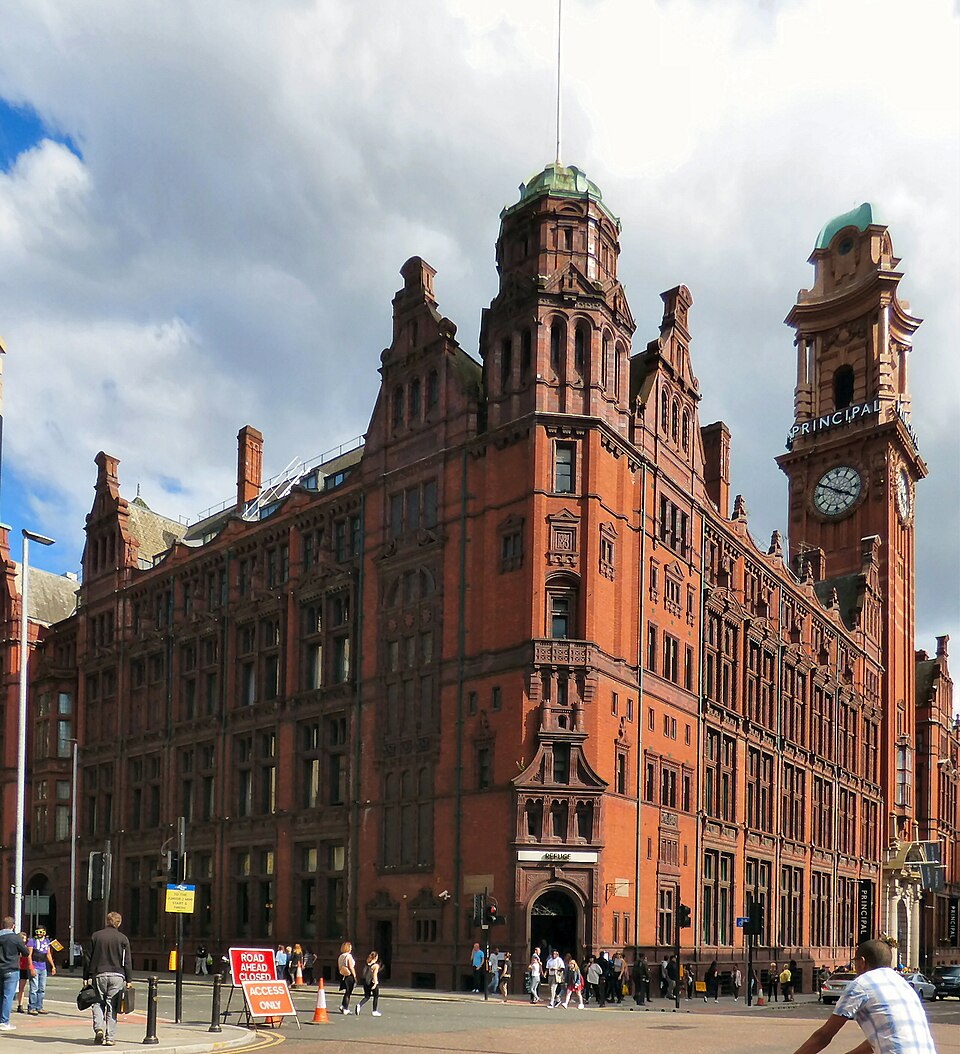
Set in the extraordinary terracotta former Refuge Assurance building from 1890, the Kimpton Clocktower wraps its rooms around one of Manchester's most jaw-dropping spaces — the tiled Refuge bar and restaurant beneath a soaring clock tower. It's a design-led stay with genuine drama and a buzzy ground floor that pulls in non-guests too. Access is handled properly: step-free level access to reception, lifts throughout, and accessible rooms offering either a grab-handle bath or a roll-in shower, with emergency pull cords at the bed and in the bathroom. For a listed Victorian landmark, that combination of spectacle and genuine step-free access is a rare and welcome thing.
Step-free level access to reception with lifts; accessible rooms with either an accessible bath with grab handles or a roll-in shower, and emergency pull cords at the bed and in the bathroom.
#3
The Edwardian Manchester, A Radisson Collection Hotel
Area: City centre
Behind the Grade II*-listed facade of the Free Trade Hall — a building at the heart of Manchester's political history — the five-star Edwardian packs 263 rooms, a spa with indoor pool and the well-regarded Peter Street Kitchen. It's polished, central and quietly grand, a reliable top-tier stay a short walk from everything. It's described as wheelchair accessible throughout, with accessible rooms reported to offer roll-in showers, grab bars and shower seats, and the pool and hot tub fitted with grab bars — though it's worth confirming the specifics with the hotel directly.
Described as wheelchair accessible, with accessible rooms offering roll-in showers, grab bars, shower seats and wide manoeuvring space; the indoor pool and hot tub are fitted with grab bars.
#4
The Lowry Hotel
Area: Chapel Wharf
The riverside Lowry has long been Manchester's discreet five-star of choice for visiting footballers, bands and film crews, its calm Chapel Wharf setting by the Irwell a deliberate step back from the city-centre bustle. Inside there's a river-view restaurant, a spa and the sort of understated service that keeps the famous coming back. On access it's thorough: accessible rooms with grab bars by the toilet, a roll-in shower with a fixed seat and emergency cord, and hearing-impairment features such as visual door alerts — so both mobility and sensory needs are considered. It's a genuinely comfortable, well-equipped luxury base a short walk from Spinningfields.
Accessible rooms with grab bars by the toilet and a roll-in shower with a fixed seat and emergency cord; hearing-impairment features including visual door alerts.
#5
Dakota Manchester
Area: City centre
Dakota does dark, moody luxury on Ducie Street, five minutes from Piccadilly — a design-led four/five-star with a clubby grill, a serious cocktail bar and rooms built for a night that starts with a Manhattan. It's grown-up, glamorous and consistently well run. Its access provision is more detailed than most: wheelchair-accessible bedrooms with a fully accessible wet room (low sinks, shower chair, rails), a flashing fire-alarm beacon and emergency pull cords, with portable vibrating alarms available on request. That attention to both mobility and hearing needs makes it a confident choice for disabled guests wanting the moody-glamour end of a Manchester stay.
Wheelchair-accessible bedrooms with a fully accessible wet room (low sinks, shower chair, rails), a flashing fire-alarm beacon and emergency pull cords; portable vibrating alarms available.
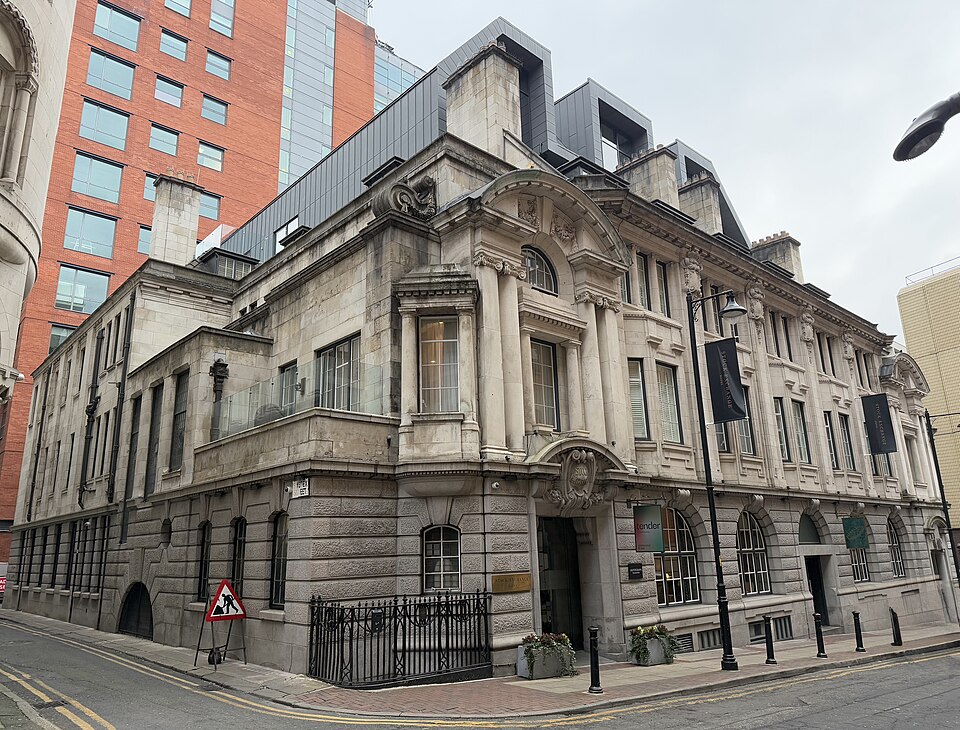
Co-owned by Gary Neville's group, the Stock Exchange turned the Grade II-listed former Manchester Stock Exchange into a five-star Marriott Autograph boutique — a domed, columned landmark near King Street with Niall Keating's Tender restaurant and a distinctly local pedigree. It's a design-hotel showpiece with real Manchester roots. Access is well covered for a heritage conversion: lifts to all floors, accessible rooms with adapted bathrooms and accessible toilets, assistance pull cords at the bed and in the bathroom, and a shower chair on request. That means the drama of the old trading hall comes with a genuinely usable step-free stay, rather than the compromises heritage buildings often force.
Lifts to all floors; accessible rooms with adapted bathrooms and accessible toilets, assistance pull cords in bathroom and bedroom, and a shower chair available on request.
#7
Treehouse Hotel Manchester
Area: City centre
Opened in March 2025 on the corner of Deansgate and Blackfriars, the 224-room Treehouse is the brand's second UK hotel — a playful, nature-inspired design stay built from reclaimed materials, with lively rooftop and ground-floor bars that have quickly become destinations in their own right. It's one of the most talked-about newer openings in the city. On access it's specific: three accessible rooms bookable on request, two with roll-in showers and one with a bath, plus grab bars in the shower and by the toilet, a low-level sink and toilet, and strobe-light alerts. As a new build it's had the chance to design these in properly — worth requesting early.
Three accessible rooms bookable on request (two with roll-in shower, one with a bath), grab bars in the shower and by the toilet, low-level sink and toilet, and strobe lights for alerts.
#8
Hotel Gotham
Area: City centre
Housed in Sir Edwin Lutyens's former Midland Bank building at 100 King Street, Hotel Gotham leans hard into art-deco noir — think dark glamour, a members'-club rooftop bar and a theatrical sense of occasion that makes it one of Manchester's most distinctive boutiques. It's a stay for people who want their hotel to have a personality, and this one has plenty. Its access provision isn't documented online, so wheelchair users should contact the hotel directly about step-free entry, accessible rooms and which of its dramatic spaces are reachable — the Lutyens building is a handsome period one, so confirming the practical details before booking is worthwhile.
Not yet mapped: be the first to add it in Shooki.
#9
King Street Townhouse
Area: City centre
A 40-room boutique in an 1872 Italian Renaissance-style building, King Street Townhouse is best known for its rooftop infinity spa pool looking across to the Town Hall — one of Manchester's most photographed hotel moments. Below it, intimate rooms and a spa make for a romantic, design-led city stay. Access is documented and workable: a lift serves all floors, most common areas are wheelchair accessible, and rooms with accessible facilities and bathrooms are available, with the Comfy category and above best suited to mobility needs. Ask about which rooms and the rooftop specifically when booking, so the famous pool view is part of your stay rather than a surprise.
Lift to all floors with most common areas wheelchair accessible; rooms with accessible facilities and accessible bathrooms (Comfy rooms and above are best suited to mobility needs).
#10
Native Manchester
Area: Northern Quarter
Spread across the Grade II-listed Ducie Street Warehouse by Piccadilly, Native is a large design-led aparthotel — exposed brick, steel and self-catering studios — that suits longer stays and anyone who wants a kitchen and a bit of space over a standard hotel room. There's a lively ground-floor scene of bar and café too. Access is decent for a listed warehouse: lift access to every floor and eight rooms and apartments suitable for wheelchair users, described as accessible with facilities for disabled guests. The apartment format, with more room to manoeuvre than a typical bedroom, can be a genuine advantage — worth flagging your needs when booking one of the eight.
Lift access to every floor; eight rooms/apartments suitable for wheelchair users; described as wheelchair accessible with facilities for disabled guests.
#11
voco Manchester City Centre
Area: City centre
The 189-room design hotel on Portland Street — opened in 2020 and reflagged from Hotel Brooklyn to IHG's voco brand in 2024 — is one of the most accessibility-minded hotels in the country, and rightly celebrated for it. Its New York-loft styling is the draw, but its access provision is the headline: 18 adapted bedrooms (nine wheelchair accessible, nine ambulant), basins with integrated grab handles, and what it describes as Manchester's first hotel room with a hidden ceiling-track hoist. That hoist is genuinely rare in UK hotels and transformative for guests who need one — making this a landmark choice for travellers with complex mobility needs, not just a stylish one.
18 adapted bedrooms (9 wheelchair accessible, 9 ambulant accessible) and described as the first Manchester hotel with a hidden ceiling-track hoist, plus basins with integrated grab handles.
#12
Whitworth Locke
Area: City centre
A 160-studio design aparthotel in a 19th-century building on Princess Street, Whitworth Locke pairs self-catering studios with a plant-filled, co-working-style lobby café that's become a daytime destination in its own right. It suits remote workers, longer stays and anyone who likes a kitchen and a laptop-friendly lounge. Its access provision is strong: fully accessible twin studios, the whole building wheelchair accessible with a lift to the upper floors, and an accessible bathroom with grab rails and a roll-in shower. The combination of step-free access, a self-catering studio and a genuinely usable communal workspace makes it one of the easier extended-stay options in the city for disabled guests.
Fully accessible twin studios; the entire unit is wheelchair accessible with a lift to upper floors, and an accessible bathroom with grab rails and a roll-in shower.
#13
Great John Street Hotel
Area: City centre
A converted Victorian schoolhouse near Spinningfields, Great John Street is an intimate 'townhouse' hotel of individually designed duplex rooms and a much-loved rooftop terrace — characterful, romantic and a world away from chain uniformity. It's a special-occasion boutique with real personality. On access it's honest about a heritage building's limits: there's one wheelchair-accessible room and an accessible toilet by the lift at mezzanine level, but reviewers note the rooftop is only partly reachable — a lift to the sixth floor, then 13 stairs. So the stay itself works for wheelchair users, with the rooftop caveat worth knowing before you fall for the terrace photos.
One wheelchair-accessible room and an accessible toilet by the lift at mezzanine level; note that access reviewers report the rooftop is only partly reachable (lift to the sixth floor, then 13 stairs).
#14
INNSiDE by Meliá Manchester
Area: First Street
A design-forward four-star in a striking tower in the First Street cultural quarter — next to HOME's cinema and theatre — INNSiDE offers a wellness suite with sauna and steam room, and rooms with a sharp contemporary look, all a short walk from the city centre and the Oxford Road venues. It's a stylish, well-placed base for a culture-led trip. Access is documented: accessible and adapted rooms for guests with accessibility requirements, wheelchair access to the common and public areas, and accessible bathroom design noted in guest reviews. The modern tower construction means step-free access tends to be more straightforward here than in the city's heritage-building hotels.
Accessible/adapted rooms for guests with accessibility requirements, with wheelchair access to common and public areas; guest reviews note an accessible bathroom design.
#15
Hyatt Regency Manchester
Area: Oxford Road corridor
A modern full-service Hyatt on Oxford Road beside the university, this is the practical, well-connected choice for anyone here for the campuses, the hospitals or the Oxford Road music venues, with an on-site restaurant and bar and easy transport links. It's more business-and-convenience than boutique, and does that job reliably. Its access provision is genuinely comprehensive: step-free access at the main entrance, lifts to all floors, accessible rooms arranged via the hotel, accessible public toilets and a fully accessible restaurant. As a modern purpose-built hotel it avoids the heritage-building compromises, making it one of the more dependable step-free stays on the Oxford Road corridor.
Step-free access at the main entrance with lifts serving all floors; accessible rooms arranged via the hotel, accessible public toilets and a fully accessible restaurant.
#16
Malmaison Manchester
Area: City centre
An established design-led four-star on Piccadilly, two minutes from the station, Malmaison brings the group's signature moody-glamour look — dark rooms, a Chez Mal brasserie and bar — to a reliably central Manchester base. It's a dependable, characterful choice for a city break without the boutique-price premium, and its location makes arriving and leaving by train effortless. Its access provision isn't documented online, so wheelchair users should contact the hotel directly about step-free entry, accessible rooms and bathroom facilities before booking — a quick confirmation that's worth it given how well the location otherwise suits a car-free trip into the city.
Not yet mapped: be the first to add it in Shooki.
#17
Motel One Manchester St Peter's Square
Area: City centre
Motel One does the design-budget formula well, and this St Peter's Square outpost is one of the best-value central stays in Manchester — smart, compact rooms and a stylish lounge-bar, steps from the Palace Theatre, the Art Gallery and the tram. For anyone prioritising location and price over space, it's hard to beat. Its access provision isn't detailed online, so wheelchair users should contact the hotel ahead about step-free entry and accessible rooms before booking. The modern building and central-square position are promising, but as always it's worth confirming the specifics directly — particularly the accessible-room availability, which can be limited at budget properties.
Not yet mapped: be the first to add it in Shooki.
#18
The Alan
Area: City centre
A design-led independent boutique across six storeys of a restored heritage building on Princess Street, The Alan trades on a pared-back, creative aesthetic — raw materials, an airy ground-floor restaurant and coffee bar, and a following among the design-minded. It's one of the city's most stylish smaller stays, more atmosphere than amenities. Its access provision isn't documented online, so wheelchair users should contact the hotel directly about step-free entry, accessible rooms and which floors are reachable before booking. The restored-building setting means the practical access details are worth confirming in advance, especially given the six-storey layout and its heritage bones.
Not yet mapped: be the first to add it in Shooki.
#19
Roomzzz Aparthotel Manchester Corn Exchange
Area: City centre
Set in the historic Corn Exchange near Victoria station, Roomzzz offers individually designed studios and apartments with full kitchens above a lively food hall — a self-catering base that suits families, longer stays and anyone who'd rather cook than eat out every night. The central, transport-friendly location is a real plus. Its access provision isn't documented online, so wheelchair users should contact the aparthotel directly about step-free entry and accessible studios before booking. The apartment format can offer more space to manoeuvre than a standard room, but as with any heritage-building conversion it's worth confirming the specific step-free and bathroom details for your stay in advance.
Not yet mapped: be the first to add it in Shooki.
#20
Velvet Hotel
Area: Gay Village
Directly on Canal Street in the heart of the Gay Village, Velvet is a 19-room independent boutique where every room is individually and dramatically decorated — four-posters, bold colours, a theatrical sense of fun — above a long-running bar and restaurant. Staying here puts you at the centre of the Village's nightlife, with Canal Street quite literally on the doorstep. It's a characterful, proudly independent choice with a strong sense of place. Its access provision isn't documented online, so wheelchair users should contact the hotel directly about step-free entry and accessible rooms before booking — the Canal Street building is a characterful older one, so confirming the practical details in advance is worthwhile for a comfortable stay in the Village.
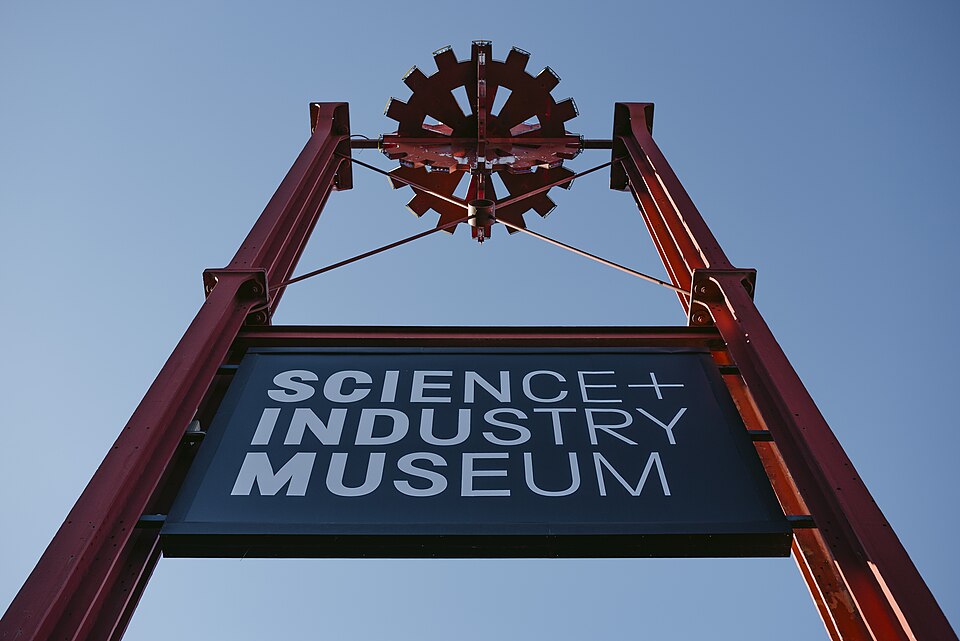
Built on the site of the world's oldest surviving passenger railway station, the free Science and Industry Museum tells the story of the city that powered the industrial revolution, with working steam engines, textile machinery and hands-on galleries across a sprawling Castlefield site. It's a Manchester essential, and a big, satisfying day for families. It's also well set up for access: step-free routes across the site and a Changing Places toilet on Level 1 of the New Warehouse — hoist, adult changing bench and central toilet, opened with a RADAR key. That combination of free entry, genuine industrial heritage and a proper Changing Places facility makes it one of the city's most inclusive days out.
A Changing Places toilet on Level 1 of the New Warehouse (by the Bistro toilets) with hoist, changing bench and central toilet, opened with a RADAR key; step-free access documented across the site.
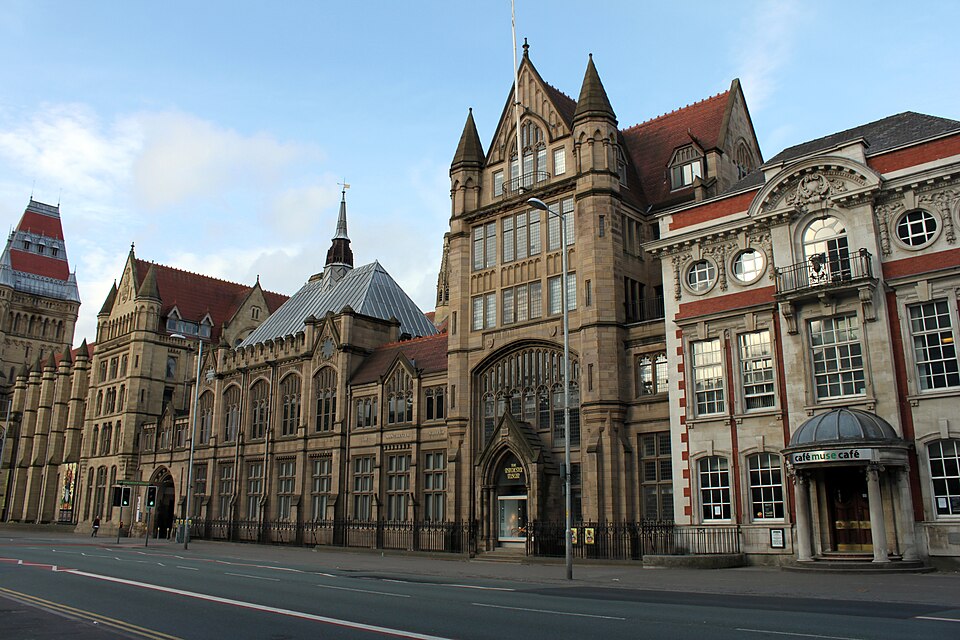
Reopened after a major redevelopment, the free Manchester Museum on the university campus is one of the North's great collections — Egyptology, a beloved vivarium of live frogs, and a thoughtful, community-minded approach that saw it named European Museum of the Year in 2025. It's absorbing, unhurried and genuinely welcoming. The refurbishment made access a priority: step-free routes through most of the building on all floors and a Changing Places toilet on Floor G reached by a level-access route. For a university museum in an older setting, that level of provision — a full Changing Places facility included — makes it one of the easiest big collections in the city to visit with complex mobility needs.
A Changing Places toilet on Floor G reached by a step-free, level-access route, with step-free access throughout most of the building on all floors.
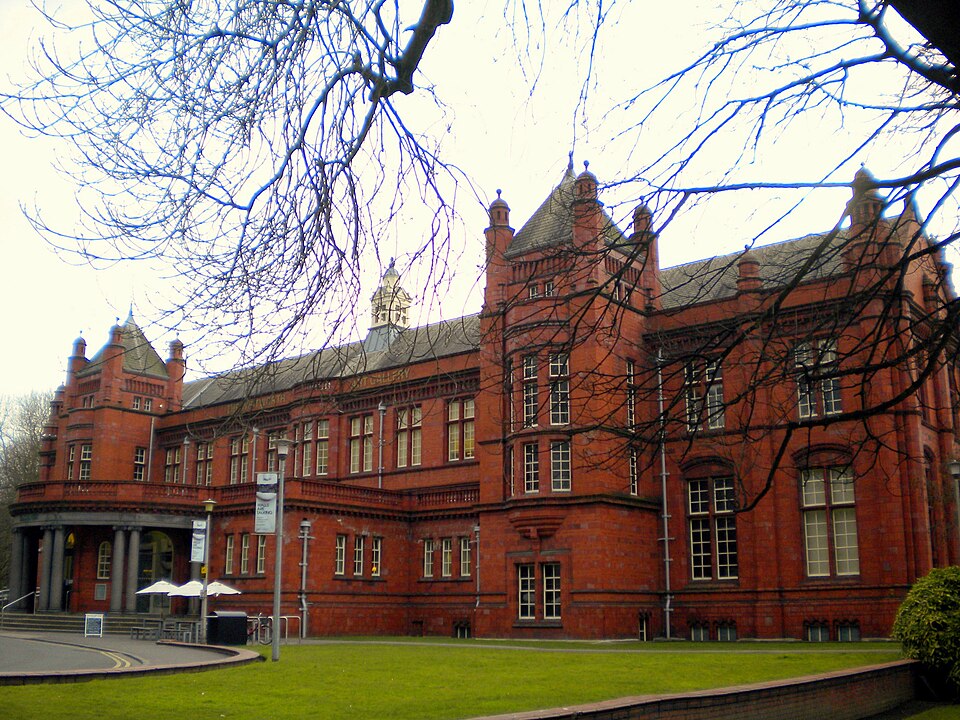
Set in Whitworth Park with a glass wing that opens onto the greenery, the free Whitworth is one of Britain's most beautifully sited galleries — modern and historic art, textiles and a much-loved café among the trees. The 2015 redevelopment turned it into a destination in its own right. Access is handled well: step-free level access on every floor, automatic doors at both entrances, and accessible toilets on the ground and lower-ground floors. It's honest that there's no Changing Places toilet on site, instead signposting a fully equipped one nearby — so visitors who need one can plan around it while still enjoying one of the loveliest gallery-and-park combinations in the city.
Step-free level access on all floors with automatic doors at both entrances, and accessible toilets on the ground and lower-ground floors. There is no Changing Places toilet on site, but the gallery signposts a fully equipped one nearby.
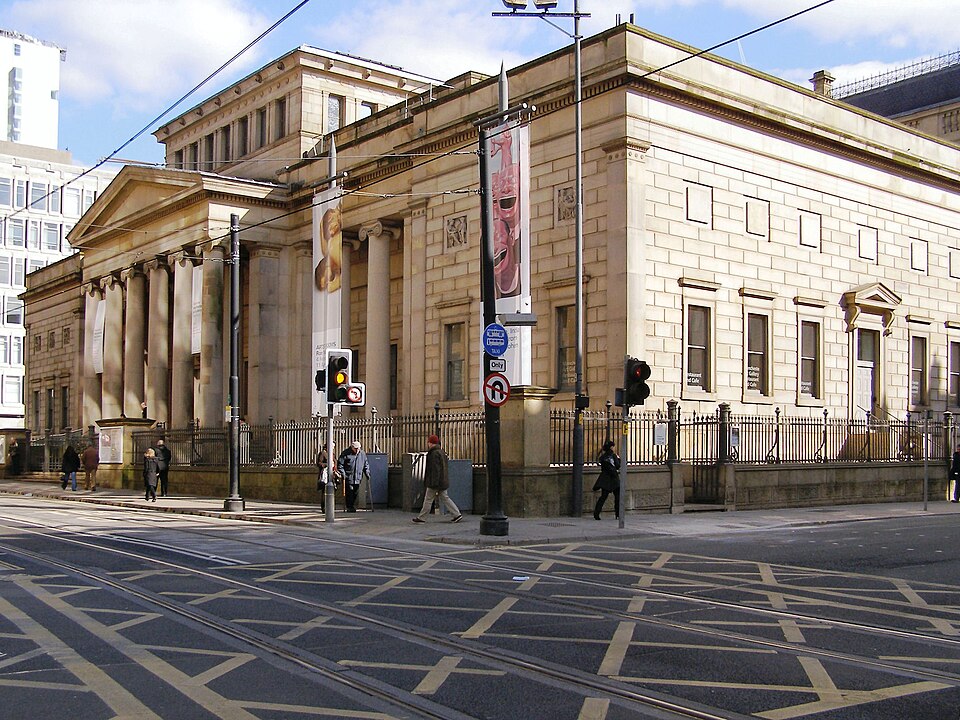
In the heart of the city on Mosley Street, the free Manchester Art Gallery holds a superb collection spanning Pre-Raphaelites to contemporary work across a linked pair of historic and modern buildings. It's a civilised, central couple of hours, with a good café and a strong programme of temporary shows. Access is well documented: the gallery is wheelchair accessible with lifts and ramps, with changing facilities in the ground-floor Family toilets next to Gallery 1 and wheelchair-accessible toilets in the Atrium and on the first floor. Combined with free entry and a bang-central location, that makes it one of the simplest cultural stops in Manchester to fit into any day.
Wheelchair accessible with lifts and ramps; changing facilities in the ground-floor Family toilets next to Gallery 1, and wheelchair-accessible toilets in the ground-floor Atrium and on the first floor by Gallery 16.
#5
The John Rylands Library
Area: Deansgate
The John Rylands is Manchester's most breathtaking interior — a neo-Gothic 'cathedral of books' on Deansgate, all soaring stone, stained glass and hushed reading rooms, housing treasures including some of the oldest fragments of the New Testament. Entry is free, and simply standing in the historic reading room is one of the great Manchester experiences. Its access provision isn't detailed in the sources we checked, so wheelchair users should contact the library ahead about step-free routes and lift access — the building is a dramatic Victorian one on several levels, and confirming the practical details in advance means you can concentrate on the architecture rather than the logistics once you arrive.
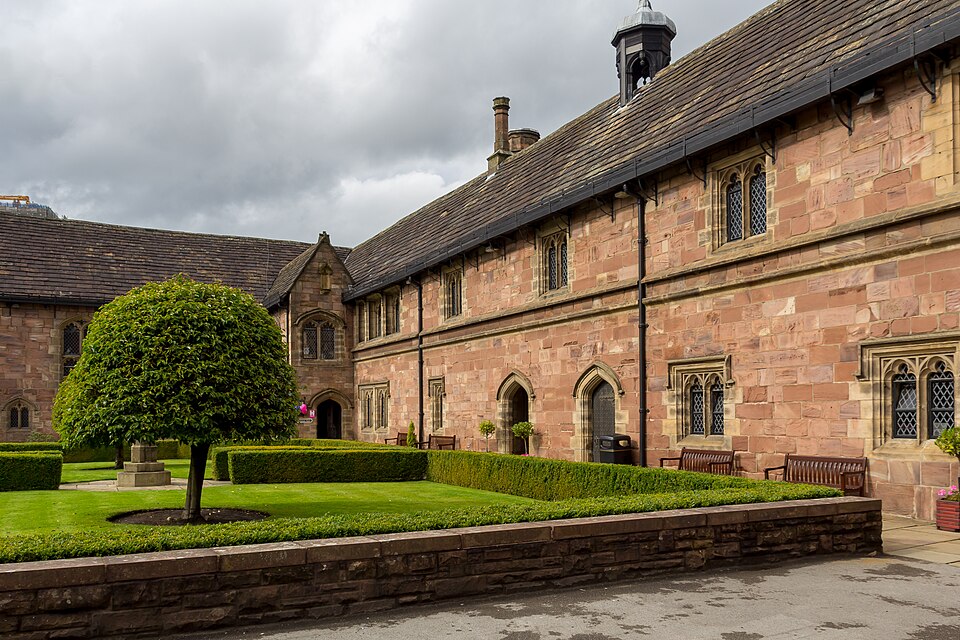
Founded in 1653, Chetham's is the oldest free public library in the English-speaking world, a medieval sandstone building near the cathedral where Marx and Engels once studied at the same window desk you can still see today. Visiting the wood-panelled reading room is like stepping into a preserved fragment of old Manchester. Access is honestly mixed: there are ramps and a lift, but the main historic rooms sit on upper floors and may not be fully accessible, so the library asks visitors to get in touch beforehand to discuss what's possible. It's worth that call — few places connect you to the city's past quite so directly, medieval floorboards and all.
The library has ramps and a lift, but its main historic rooms are on upper floors and may not be fully accessible; visitors are advised to contact the library ahead to discuss access.
The domed, columned Central Library on St Peter's Square is one of Manchester's best-loved public buildings — a free-to-enter rotunda of a reading room, a children's library, archives and regular events under a beautiful circular ceiling. It's a working library and a genuine visitor attraction at once. It's also exemplary on access: fully accessible with lifts to every floor including the historic upper levels and basement archives, level-access at the ground floor, accessible toilets on every public floor and a Changing Places toilet on the lower-ground floor. For a landmark 1930s civic building to be this comprehensively step-free, Changing Places included, is exactly the standard the rest of the city's heritage sites should aim for.
Fully accessible with lifts to all floors including the historic upper levels and basement archives, level-access ground floor, accessible toilets on every public floor and a Changing Places toilet on the lower-ground floor.
The 'Theatre of Dreams' is a pilgrimage for football fans the world over, and the Manchester United museum and stadium tour takes you pitchside, into the dugouts and through a trophy-laden museum charting one of the sport's most storied clubs. It's a must even for neutrals who grew up on the mythology. Access is well provided: the tour is described as fully accessible to wheelchair users, with a lift serving all three museum floors and Changing Places facilities available on match days — though the club asks visitors with access requirements to arrange things in advance. Book the accessible tour ahead and the whole experience, museum and pitch included, opens up.
The stadium tour is described as fully accessible to wheelchair users, with a lift serving all three museum floors; access requirements should be arranged in advance, and Changing Places facilities are available on match days.
Home of Manchester City, the Etihad and its surrounding campus are the gleaming, modern counterpoint to Old Trafford, and the stadium tour walks you through the tunnel, dressing rooms and pitchside of one of the dominant forces in the modern game. For fans it's a genuine thrill; for anyone, it's a slick, well-run couple of hours. Being a purpose-built modern stadium, it's comprehensively accessible: lifts between all floors, blue-badge parking, accessible toilets, and a Changing Places room in the South Stand Level 1 with a hoist (bring your own loop slings), a changing table and space for carers. It's one of the most accessible major attractions in the city.
Fully accessible with lifts between all floors, blue-badge parking and accessible toilets; a Changing Places room in the South Stand Level 1 has a hoist (bring your own loop slings), a changing table and space for carers.
In the striking glass 'Urbis' building at Cathedral Gardens, the National Football Museum is the game's official museum — trophies, memorabilia, interactive challenges and the story of the sport that shaped this city, all free to enter. It's a joy for football obsessives and surprisingly good fun for everyone else. Access is thorough: fully step-free with automatic entrance doors, a staffed lift to all four floors, wheelchairs available at reception, accessible toilets on the ground floor and levels 1, 2 and 4, and disabled parking nearby. Free entry plus that comprehensive step-free provision makes it one of the easiest and most rewarding rainy-day attractions in central Manchester.
Fully step-free with automatic entrance doors and a staffed lift to all four floors; wheelchairs available on request at reception, accessible toilets on the ground floor and levels 1, 2 and 4, and disabled parking nearby.
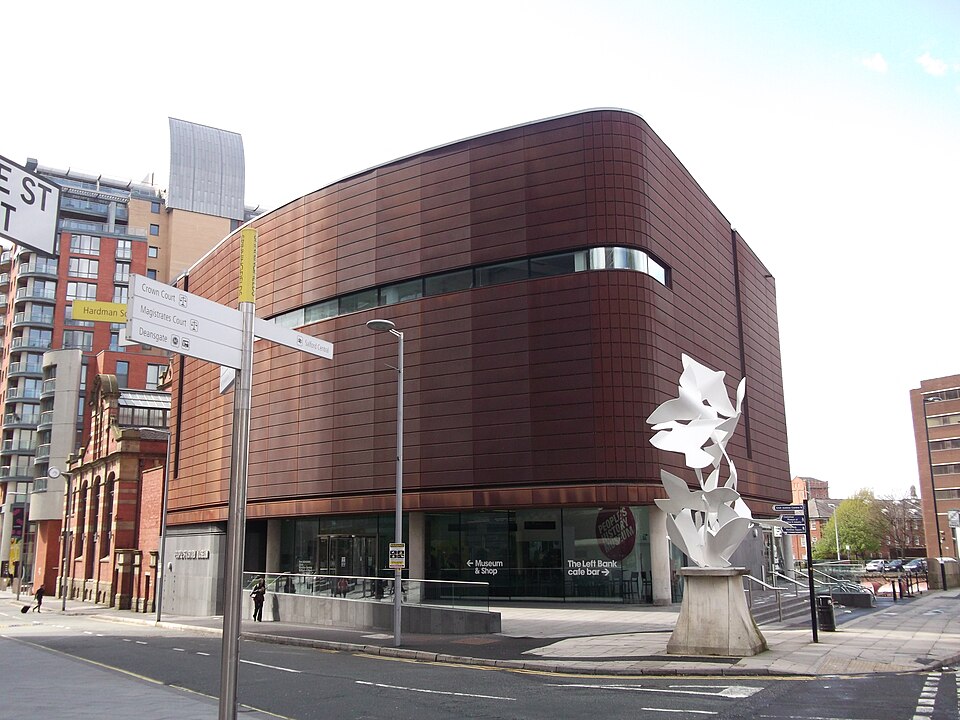
The People's History Museum on the Left Bank tells the story of British democracy from the bottom up — the Peterloo Massacre, the suffragettes, trade unions and protest — through a spectacular collection of historic banners, and it's free to visit. In a city built on radical history, it's one of the most quietly moving days out you can have. Access is a strength: step-free entry via a handrailed slope at the most accessible entrance, level access throughout with lifts, and a Changing Places toilet on the ground floor, opened with a RADAR key or by asking staff. That the museum of ordinary people's rights is itself so genuinely accessible feels entirely fitting.
Step-free access via a handrailed slope at the most accessible entrance and level access throughout (including lifts); a Changing Places toilet on the ground floor, opened with a RADAR key or by asking a member of staff.
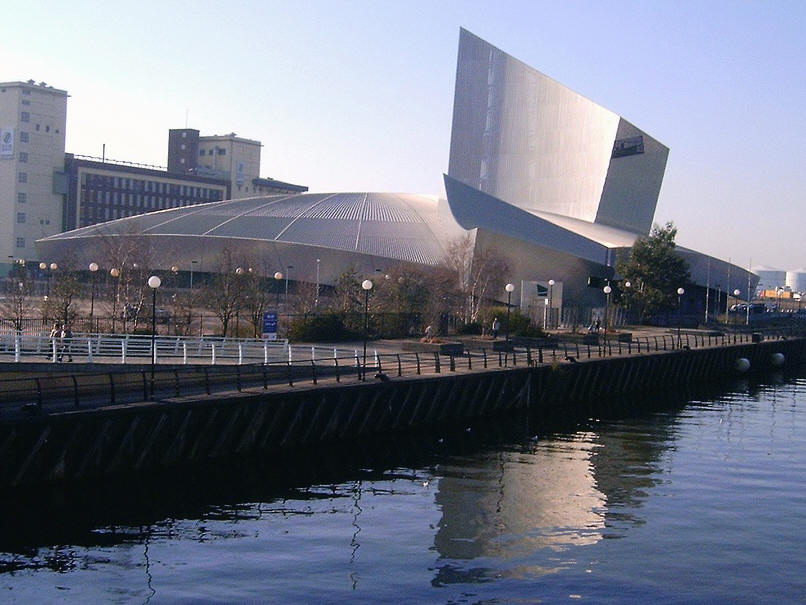
Daniel Libeskind's aluminium-clad IWM North on Trafford Wharf is as striking outside as in — its shards represent a globe shattered by conflict — and inside, the free galleries and immersive 'Big Picture' shows explore how war shapes lives, powerfully and without glorification. It's one of the Quays' essential stops. Access is exemplary: fully step-free with lifts to all floors and a step-free Quayside entrance, a Changing Places toilet on site, ground-floor accessible toilets and baby-change, plus hearing loops, large-print guides and sensory backpacks. The breadth of that provision — mobility, sensory and Changing Places all covered — makes it a model for how a modern museum handles inclusion.
Fully step-free with lifts to all floors and a step-free Quayside entrance; a Changing Places toilet on site, accessible toilets and baby-change on the ground floor, plus hearing loops, large-print guides and sensory backpacks.
#13
HOME
Area: First Street
HOME is Manchester's contemporary-culture hub at First Street — cinemas, theatres, a gallery and a busy bar-restaurant under one modern roof, programming independent film, new writing and visual art with real ambition. It's the beating heart of the city's arts scene and an easy place to spend an evening. Access is genuinely thoughtful: the building is described as fully accessible, and it runs monthly relaxed screenings — lights low, sound reduced, no trailers, freedom to move around and a separate chill-out space — designed for autistic, sensory and learning-disabled visitors. That commitment to sensory as well as physical access makes HOME one of the most welcoming cultural venues in the city.
Described as fully accessible, and runs monthly relaxed screenings (lights low, reduced volume, no trailers, freedom to move in and out, a separate chill-out space) designed for autistic, sensory and learning-disabled visitors.
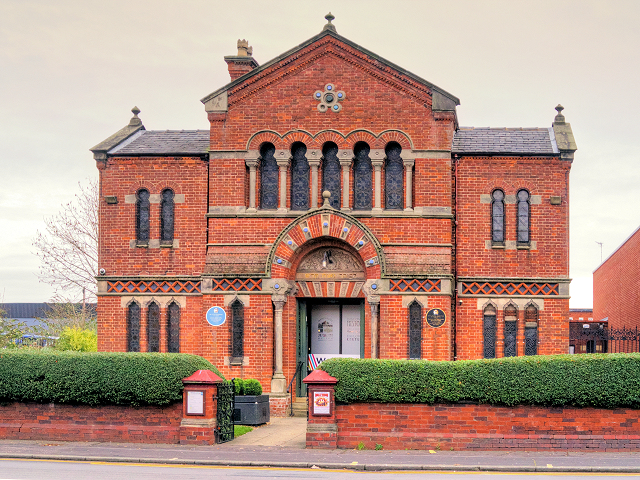
Housed in a restored Grade II-listed former synagogue with a striking modern extension in Cheetham Hill, the Manchester Jewish Museum tells the story of the city's Jewish community and migration more broadly, through objects, testimony and a well-regarded kosher café. It's intimate, moving and beautifully done. The redevelopment built in strong access: step-free ramp access to the entrance, level access throughout the ground floor, a lift to the first-floor gallery, accessible gender-neutral toilets, an induction loop and a wheelchair to borrow. Pairing a sensitively restored heritage synagogue with genuinely modern access provision, it's a small museum that punches well above its weight on both counts.
The new building has step-free ramp access to the entrance, level access throughout the ground floor and a lift to the first-floor gallery, plus accessible gender-neutral toilets, an induction loop and a wheelchair available to borrow.
#15
Manchester Craft and Design Centre
Area: Northern Quarter
Set in a converted Victorian fish and poultry market in the Northern Quarter, the free Craft and Design Centre is a two-floor hive of working studios where you can watch makers at work and buy directly from jewellers, ceramicists, printmakers and artists. It's one of the most charming, low-key browses in the city, and a great place for a gift. Access is well handled: both entrances are step-free, there's an accessible toilet with baby-change on the ground floor, Blue Badge bays on Copperas Street, large-print interpretation on request and assistance dogs welcome. That makes this characterful old market building genuinely open to everyone, which isn't always a given in the Northern Quarter's older stock.
Both entrances are step-free with an accessible toilet and baby-change on the ground floor; Blue Badge parking bays on Copperas Street, large-print interpretation on request, and guide and hearing dogs welcome.
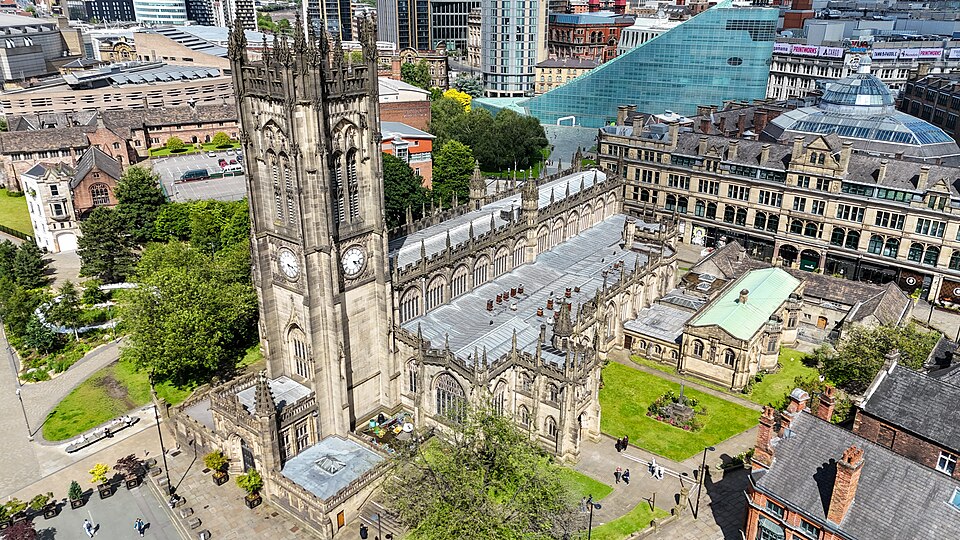
The medieval Manchester Cathedral on Victoria Street is a free-to-enter oasis of calm in the city centre, celebrated for the finest collection of misericords (carved choir seats) in the North and a quietly beautiful interior that rewards a slow wander. It's an easy, contemplative stop between the shops and Victoria station. For a medieval building, access is well managed: level access through the South Door, level access to the Visitors' Centre with full disabled access and a passenger lift, and a designated accessible toilet. There are inevitably some constraints in a building this old, but the essentials — a step-free way in and an accessible loo — are properly covered.
Level access into the cathedral through the South Door and level access to the Visitors' Centre, which has full disabled access and a passenger lift, plus a designated accessible toilet; as a medieval building, some areas have their own constraints.
Afflecks is a Manchester rite of passage — a rambling indoor emporium of independent stalls spread over several floors of a Northern Quarter building, selling vintage clothes, records, badges, piercings, retro toys and things you didn't know existed. It's chaotic, characterful and has been outfitting the city's subcultures for decades. Come to browse, not to buy anything in particular. Its access provision isn't documented in the sources we checked, and the building is an older multi-floor one reached in places by stairs, so wheelchair users should contact Afflecks ahead about step-free routes and which floors are reachable — worth doing before you dive into the maze, so you know what's accessible on the day.
One of the largest municipal parks in Europe, Heaton Park in north Manchester is a proper day out in its own right — a boating lake, a Grade I-listed hall, a working tramway, animal centre and enough open green space to lose an afternoon in. It also hosts the city's biggest outdoor concerts. Encouragingly for a park of this scale, it has a Changing Places toilet at the pavilion by the lake, between the Lakeside Café and the Boat House — part of Manchester's programme of accessible facilities in its parks. That means families and visitors who need a hoist and changing bench can enjoy a full day outdoors here, rather than cutting it short.
A Changing Places toilet is provided at the pavilion by the lake, between the Lakeside Café and the Boat House, as part of Manchester's programme of accessible Changing Places toilets in its parks.
#19
Castlefield Urban Heritage Park
Area: Castlefield
Castlefield is where Manchester began — the site of the Roman fort of Mamucium, later the terminus of the world's first industrial canal — and today it's a conservation area of restored canal basins, iron bridges and waterside pubs that make one of the city's most atmospheric walks. The elevated Castlefield Viaduct, a National Trust 'sky park' in a former railway structure, has been closed for maintenance and its next phase of works, so check before you go if that's your target. Access across the wider heritage park isn't formally documented and the canalside mixes cobbles, towpaths and steps, so wheelchair users should plan a route in advance and check which sections and bridges are step-free.
A Grade II*-listed Edwardian bathing palace often called 'the most beautiful in Britain', Victoria Baths dazzles with stained glass, decorative tilework and the grand tiled pools that once served the city — it famously won the first series of the BBC's Restoration. It opens for tours and events rather than swimming, and stepping inside is like entering a preserved cathedral of Edwardian civic pride. Its access provision isn't documented in the sources we checked, and it's a heritage building with limited opening, so anyone with mobility needs should contact the Baths ahead about step-free routes and which areas are reachable, and check the events calendar, before planning a visit around the tours.
Not yet mapped: be the first to add it in Shooki.
What to eat
Manchester tart
The city's own dessert, literally named after it: a shortcrust case spread with raspberry jam, filled with custard — traditionally a firm-set egg custard — and finished with a scatter of desiccated coconut and, by tradition, a single cherry on top. It's a school-dinner classic soaked in nostalgia for anyone who grew up in the North West, and it has enjoyed a proper revival on café and restaurant menus across the city, where chefs tinker with it while keeping the jam-and-custard soul intact. Seek it out in a good bakery or a modern Manchester restaurant doing a knowing take, and you're eating a genuine slice of local identity.
Eccles cake
Named for the town of Eccles just west of Manchester, this small round flaky-pastry cake is packed with currants, sugar and spice, glazed and slashed across the top — the dense fruit filling earning it the affectionate nickname 'dead fly pie'. Its roots stretch back more than two centuries, and it remains a defining Greater Manchester bake, best eaten slightly warm with a wedge of crumbly Lancashire cheese, which is the properly local way to do it. You'll find them in bakeries, markets and delis across the region; grab one with a brew and you've got the North West's answer to an afternoon pick-me-up.
Bury black pudding
Black pudding is a blood sausage of pork fat, oatmeal, onion and spices, and Bury — a market town just north of Manchester — is its spiritual home in Britain. The Bury style is traditionally simmered and eaten hot, often with a smear of mustard, and buying one straight from a stall at the historic Bury Market is a genuine regional pilgrimage that locals and day-trippers make in equal number. Beyond the market it turns up on breakfast plates, in gastropub dishes and even in the modern Manchester egg. Love it or fear it, it's one of the North West's most iconic and defended foods — and best tried at source.
Rusholme Curry Mile
The Curry Mile isn't a dish but a destination: a dense stretch of Wilmslow Road in Rusholme, south of the centre, lined with South Asian and Middle Eastern restaurants, grill houses, sweet shops and shisha cafés, long described as one of Europe's largest concentrations of South Asian dining. Eating here is a Manchester rite of passage — neon signs, charcoal smoke, late hours and enormous mixed grills shared across a table. The mix has broadened over the years, with Middle Eastern grills and dessert houses now part of the fabric. Come hungry, wander until something pulls you in, and treat the whole street as the meal rather than any single door.
Rice and three
'Rice 'n' three' is Manchester's great working lunch — a plate of rice topped with three curries of your choosing at a low fixed price, ladled out canteen-style. The format is widely credited to This & That, the Northern Quarter curry café that's been feeding the city since 1984, and it comes with its own local ordering vocabulary that regulars rattle off without thinking. It's cheap, fast, gloriously unpretentious and endlessly customisable, which is exactly why it's become a genuine city institution rather than just a bargain. Join the lunchtime queue, point at what looks good, and you've eaten like a proper Mancunian for the price of a sandwich.
Chips and gravy
Thick-cut chips — ideally beef-dripping fried — smothered in thick gravy is one of the defining orders of a Northern chip shop, and a small but fiercely defended marker of North-versus-South identity: ask for gravy on your chips down south and you'll get a look. It's the centrepiece of a wider 'chippy tea', that everyday Northern institution of a Friday-night takeaway eaten from the paper. In Manchester it's comfort food in its purest, cheapest form, equally at home after the pub or as a weeknight treat. Find a proper chippy, order chips and gravy, and you're tasting a bit of regional pride as much as a bit of dinner.
Manchester egg
A self-consciously Mancunian riff on the Scotch egg, invented in 2010: a pickled egg wrapped in Bury black pudding and sausage meat, breadcrumbed and deep-fried into a bar snack that could only come from this corner of England. It leans proudly on local ingredients — that Bury black pudding again — and has become a fixture of the city's craft-beer bars and pubs, where it's the natural thing to order alongside a pint. It's rich, salty and made for sharing over a table of drinks. If you spot one on a bar menu, it's worth ordering purely as a taste of modern Manchester inventing its own traditions.
Lancashire hotpot
The archetypal comfort dish of Lancashire and industrial Manchester: a slow-baked one-pot of lamb or mutton and onions, capped with sliced potatoes that brown and crisp on top as it cooks. Born of thrift and long shifts, it's warming, cheap and deeply regional — cemented in popular culture as the dish forever simmering on the stove in the Manchester-set soap Coronation Street. You'll find proper versions in traditional pubs and British restaurants around the city, often served with pickled red cabbage. On a grey Manchester day, few things feel more appropriate, or more local, than digging into a bubbling hotpot with the potato lid still crisp.
Wigan pie barm
Wigan, west of Manchester, is proud 'pie-eater' country, and its signature is the pie barm — a whole meat-and-potato pie served inside a buttered barm cake, or soft bread roll. Known locally as a 'Wigan kebab' or a 'slappy', it's a pie sandwich in the most literal sense, and an emblem of portable working food: the barm was there to shield the hands of miners eating on the go. It's unapologetically heavy, cheap and brilliant, a carb-on-carb badge of local identity. Try one from a Wigan bakery on a day trip and you'll understand why the town wears the 'pie-eaters' nickname as a compliment.
Uncle Joe's Mint Balls
Hard, round, mint-flavoured boiled sweets with a cult following, Uncle Joe's Mint Balls have been made by William Santus & Co in Wigan since 1898 — over 125 years — and still come in their instantly recognisable tin, complete with the old slogan about keeping you all aglow. They're a proper North West confectionery institution, the sort of thing that turns up in coat pockets and glove boxes across the region and gets posted to homesick Wiganers around the world. Pick up a tin from the Toffee Works or a local sweet shop; they're a small, sweet, enduring piece of Greater Manchester heritage you can carry home in your pocket.
What to drink
Vimto
Manchester's most improbable global export is a fruit cordial: Vimto, blended from grapes, raspberries and blackcurrants with a secret mix of herbs and spices, was invented in 1908 by John Noel Nichols at 19 Granby Row in the city centre, originally as a temperance-era health tonic. It went on to become a worldwide brand — hugely popular across the Middle East and South Asia — while still being treated locally as edible heritage, right down to a sculpture near its birthplace. Drink it fizzy, warm in winter or in its cordial form, and you're tasting a genuine Manchester invention that quietly conquered the world from a back street near Piccadilly.
Boddingtons Bitter
For decades 'The Cream of Manchester', Boddingtons is the pale, straw-golden, distinctively dry and hoppy bitter that became shorthand for the city itself. It was born at the Strangeways Brewery in Cheetham Hill, and a run of famous late-1980s-to-2000s adverts turned it into a national icon of Manchester identity, all creamy head and northern wit. Though brewing moved away from Strangeways, the pint remains a nostalgic touchstone, and ordering one is a small act of civic loyalty. It's not the craft scene's darling, but for a taste of the Manchester that the rest of the country grew up picturing, a pint of Boddies still does the job.
Marble Manchester Bitter
Marble Brewery, founded in 1997, helped drag Manchester cask ale into the modern era, brewing with organic ingredients and strictly vegan methods — no isinglass finings — long before either was fashionable. Its flagship Manchester Bitter is a crisp, hoppy, pale cask ale that's become a benchmark for the city's beer drinkers, and its original home, the Grade II-listed Marble Arch pub on Rochdale Road, remains one of the great places to drink it, under that famous tiled ceiling. Order a pint of Manchester Bitter at the Marble Arch and you're getting the beer and its birthplace in one go — a proper Manchester pairing of brewery and heritage pub.
Joseph Holt Bitter
Joseph Holt is Manchester's great surviving Victorian family brewery, founded in Cheetham Hill in 1849 and still run by the same family across a large estate of no-nonsense city pubs. Its classic session bitter — around 4% — is the definition of a 'proper' Manchester pint: dry, bitter, honest and cheap, poured in traditional boozers that haven't chased a single trend. In an era of hazy IPAs and taprooms, Holt's represents the city's unbroken thread of independent, family brewing, and its pubs are where you drink the real, unreconstructed Manchester. Seek out a Holt's house, order the bitter, and taste a piece of living Victorian heritage still made across the city.
Cloudwater Brew Co
Founded in 2015, Cloudwater is the brewery that gave Manchester global craft-beer fame — soft, juicy, hop-forward pale ales and Double IPAs that helped define Britain's love of the hazy style, alongside acclaimed barrel-aged and mixed-fermentation releases. It's regularly ranked among the world's best breweries, and its taproom in a railway arch behind Piccadilly lets you drink the beers days from the tank, at source. For anyone following modern UK beer, a fresh Cloudwater DIPA is close to essential, and drinking one in Manchester — where it's brewed — is the way to taste the city's contemporary brewing scene at its most celebrated and internationally admired.
Manchester Union Lager
Manchester Union Brewery in Ardwick bills itself as the city's first and only dedicated craft-lager brewery, and its fresh, crisp lager — marketed with the cheerfully blunt 'Fresh as F**k' slogan — is delivered unpasteurised from the brewery to bars around the city, often within days. In a beer scene dominated by cask bitter and hazy IPAs, it carved out a distinctly Manchester identity for proper lager: clean, bright and local. Look for it on tap in city-centre bars and you'll get a lager with a genuine hometown story, a modern counterpoint to the heritage bitters that keeps the city's brewing scene as varied as its drinkers.
Runaway Brewery
A quietly well-respected independent microbrewery in Manchester's Green Quarter, Runaway makes contemporary cask and keg beers — typically unfined, so naturally hazy — and has built a loyal following among the city's beer enthusiasts without ever chasing hype. Its site includes a taproom and beer school, making it a good place to actually learn what you're drinking. Regularly listed among Manchester's best breweries, it represents the thoughtful, less flashy end of the modern scene, where the beer does the talking. Track down a Runaway pour in a good local bar or visit the taproom itself, and you're drinking from one of the city's most consistently reliable independent names.
Sureshot Brewing
One of the rising stars of Manchester craft beer, Sureshot opened in 2022 under brewer James Campbell, who honed his craft at Marble and Cloudwater before going solo. It's best known for punchy, hop-forward pales and IPAs, often with playful, of-the-moment names, and it quickly became part of the cluster of modern arch-and-industrial breweries that define the city's current scene. For anyone wanting to taste where Manchester beer is heading rather than where it's been, a fresh Sureshot is the pour to seek out — a young brewery already mentioned in the same breath as its acclaimed neighbours, and a sign of just how deep the city's brewing talent now runs.
Local terms
Loo / public toilet
The everyday British word for a toilet is 'loo'; signage in Manchester reads 'toilets', 'WC' or 'public conveniences'. Not every high street has a public one, which is exactly why community mapping helps.
Accessible toilet / disabled toilet
A wheelchair-accessible cubicle with grab rails, a lower sink, an emergency cord and room to turn — the standard adapted toilet in shops, pubs and public buildings.
RADAR key (National Key Scheme / NKS)
A standard key that unlocks over 10,000 locked accessible toilets across the UK. Available from Disability Rights UK; keep one with you, as many toilets are NKS-locked to keep them free for those who need them.
Changing Places toilet
A larger facility with an adult-sized height-adjustable changing bench, ceiling hoist, a central (peninsular) toilet and space for two carers — essential for people with complex disabilities. A RADAR key does not open these; they use a separate key or an attendant.
Baby changing
A baby-changing table. In Shooki you can filter for venues that have one and see where it is — it isn't always in every toilet, and isn't the same as a Changing Places facility.
Step-free access
Entry at street level or by ramp or lift, with no steps; the community notes it in Shooki alongside how wide and easy the access is.
Accessibility & the law
In the UK, access is a matter of law: the Equality Act 2010 places an anticipatory duty on all service providers — from a corner café to a national museum, whatever their size — to make reasonable adjustments so that disabled people are not put at a substantial disadvantage compared with everyone else. Because the duty is anticipatory, providers are expected to think about access in advance rather than wait to be asked. The Act doesn't prescribe exactly what each business must do, which is why provision still varies in practice. Manchester does unusually well on official documentation — its museums, stadiums, libraries and parks increasingly publish their step-free routes and Changing Places facilities, and locked accessible toilets run on the nationwide RADAR key scheme — but pubs, bars and restaurants remain hit and miss. That's where the data the Shooki community shares makes the real difference.
Frequently asked questions
Where can I find public toilets in Manchester?
This page gathers public toilets across Manchester mapped by the OpenStreetMap community, with wheelchair and baby-changing tags where they exist. In the Shooki app you can see them on the map, filter for exactly what you need and get directions straight there.
How do I find an accessible toilet near me in Manchester?
Open Shooki, allow location access and filter for accessible or wheelchair-accessible toilets — the map shows nearby options with the details the community has confirmed. Many of Manchester's museums, stadiums and civic buildings also publish their access provision officially, and you'll find that detail on every listing in this guide.
Which places in Manchester have a Changing Places toilet?
Manchester is one of the better-served UK cities. Documented Changing Places facilities include the Science and Industry Museum, Manchester Museum, Central Library, People's History Museum, Imperial War Museum North, the National Football Museum, Old Trafford and the Etihad Stadium, Manchester Cathedral and Heaton Park. Most need a RADAR key, which staff can usually provide. Each listing in this guide notes where the facility is and how to open it.
What is a RADAR key and where do I get one?
A RADAR key (also called a National Key Scheme or NKS key) is a standard key that opens more than 10,000 locked accessible toilets across the UK, from stations and shopping centres to pubs and cafés. You can buy one from Disability Rights UK. Note that RADAR keys do not open Changing Places toilets, which use a separate key or an attendant.
How do I help map Manchester on Shooki?
Every visit counts: rating a toilet, confirming whether there's baby changing or flagging a step-free entrance leaves that information ready for the next person. The community detail — the honest note about the heritage-pub loo down a few steps, or the ramp on request — is what makes the difference between a listing and a genuinely useful guide.
Help map Manchester
Every visit you share on Shooki helps the next person find a clean, accessible toilet.