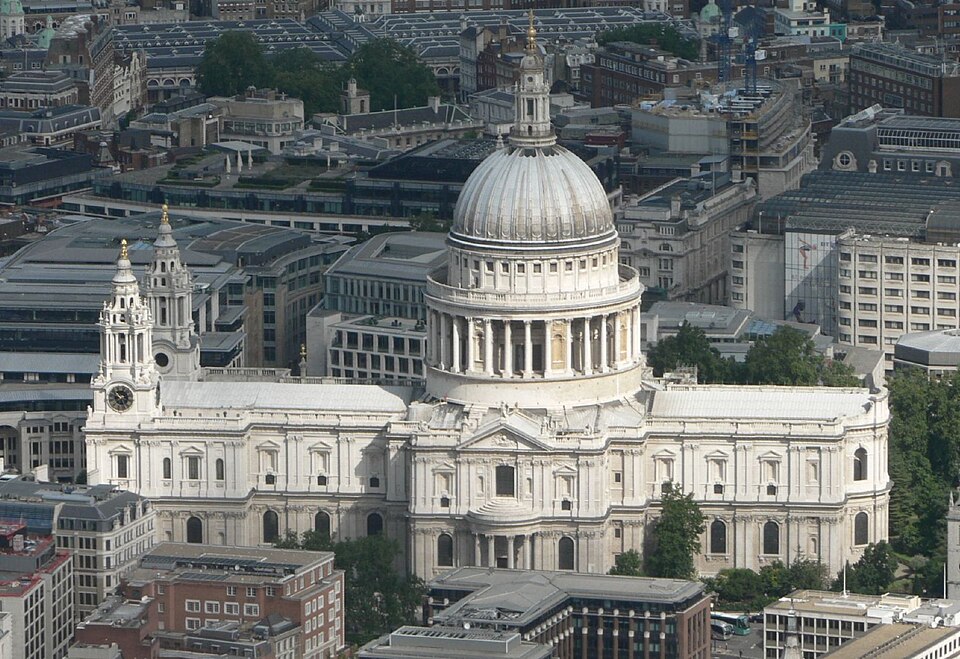
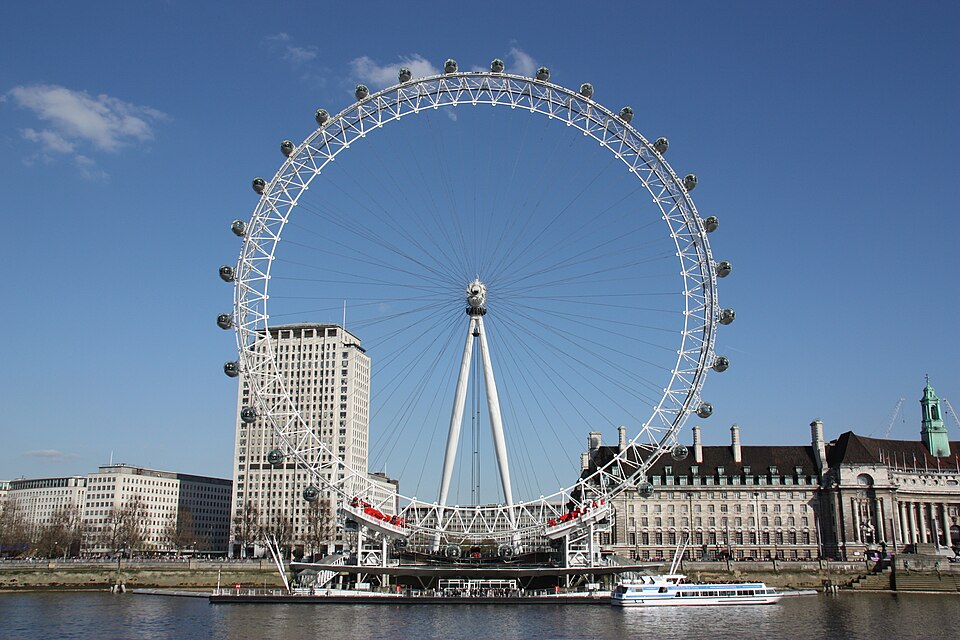
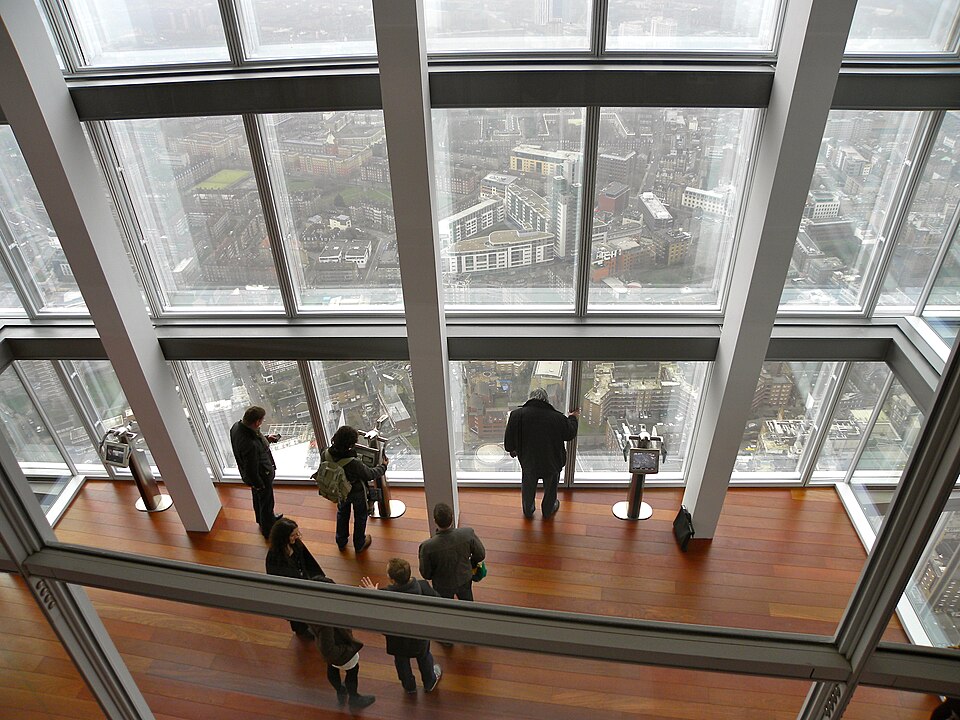
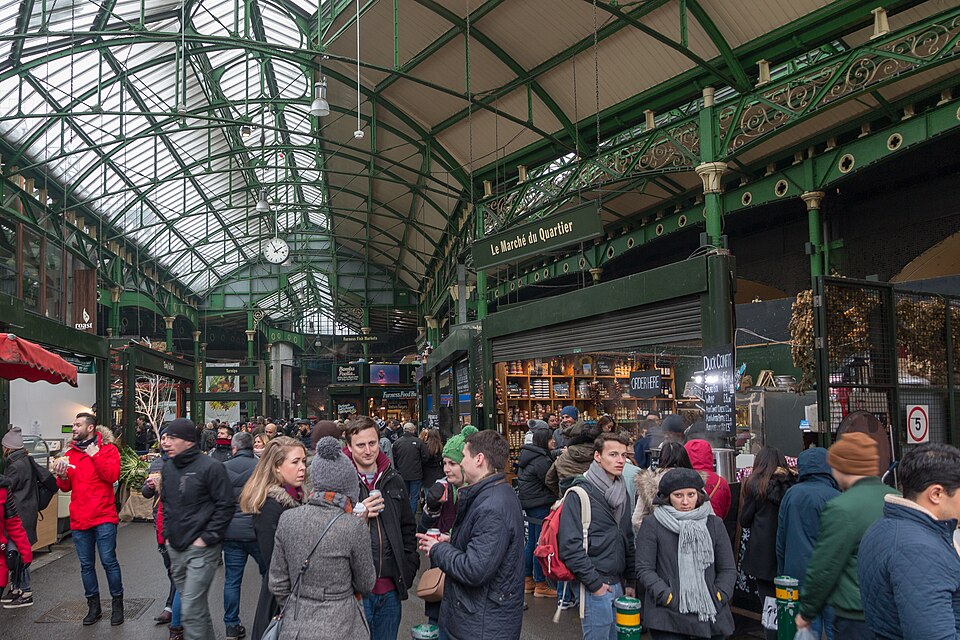
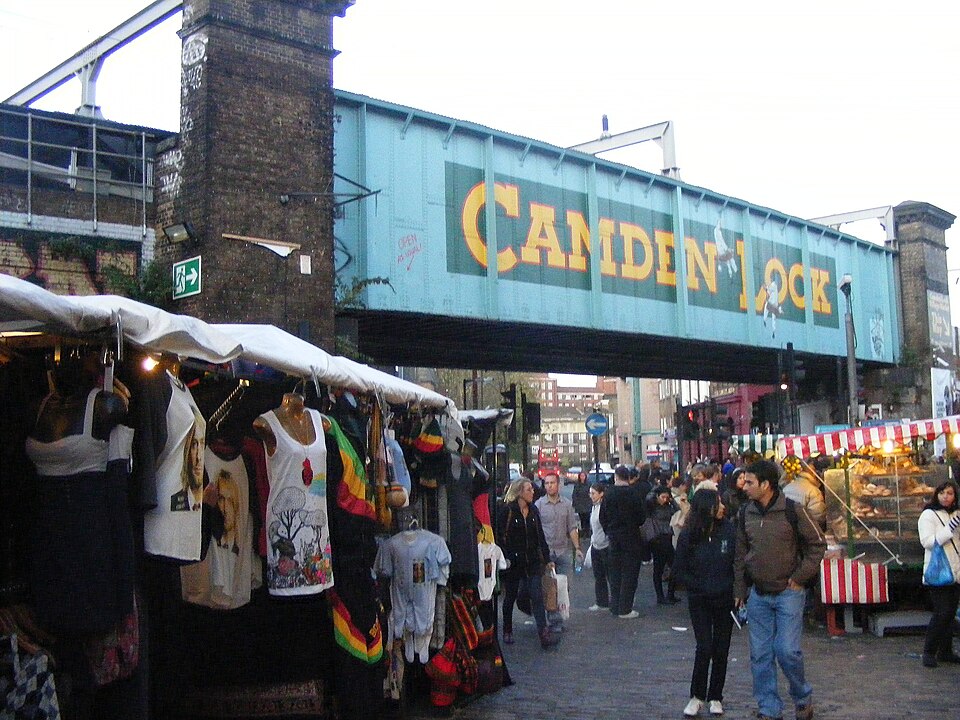
Looking for public toilets in London, an accessible toilet, or somewhere with baby changing before you head out? This guide brings together the public loos mapped by the community alongside the best of the city — restaurants, bars, clubs, hotels and attractions — each led by documented accessibility notes where the sources exist: from the Changing Places toilet on the Science Museum's Level 0 to St Paul's step-free Equal Access entrance and the new Changing Places facility that opened in Regent's Park in 2026. And where the data doesn't exist yet, you can be the first to add it in Shooki.
Last updated:
Public toilets
1074
public toilets mapped in London
392
flagged as wheelchair accessible
186
with baby changing confirmed
1074 public toilets mapped by the community
See every mapped public toilet on the live map, with walking directions, in the Shooki app.
London's oldest restaurant has been serving on Maiden Lane since 1798 — just five owners in more than two centuries — and still does what it has always done best: proper British game cookery, oysters, pies and puddings in clubby dining rooms hung with two hundred years of pictures. Visitors describe the service as formal in the best old-school sense, with tourists and regulars sharing the velvet banquettes quite happily. Come in game season, order whatever flew or ran recently, and raise a glass to continuity. Some institutions earn the word.
Not yet mapped: be the first to add it in Shooki.
#2
St. JOHN
Area: Smithfield
Fergus Henderson's whitewashed dining room beside Smithfield Market changed British cooking when it opened in 1994, and the nose-to-tail gospel still draws pilgrims: the roast bone marrow with parsley salad remains one of the most copied dishes on earth, and the Eccles cake with Lancashire cheese its rightful pudding. Visitors love that nothing here is dressed up — bare walls, paper menus, serious cooking. If you eat one meal that explains modern London food, make it this one. Waste not, want everything.
Not yet mapped: be the first to add it in Shooki.
#3
The Wolseley
Area: St James's
A 1921 car showroom on Piccadilly reborn as the grandest all-day café in Britain: marble, black lacquer and chandeliers framing a menu that runs from kedgeree at breakfast — a London institution in itself — through afternoon tea to late suppers. Visitors note the room is the star, with service that can wobble when the crush peaks. Booking is wise at any hour. For the full effect, come hungry at 8am on a weekday and watch power-London order its eggs. The FAQ asks wheelchair users to give advance notice — do call ahead.
The official FAQ says wheelchair access can be accommodated with advance notice and points to step-free access at nearby Green Park station; no accessible-toilet detail is published, so ring ahead.
#4
E Pellicci
Area: Bethnal Green
The Pellicci family has run this Bethnal Green caff since 1900 — third generation now working alongside matriarch Maria — behind a listed 1946 vitrolite front that is a landmark in its own right. The full English arrives enormous, the banter arrives free, and visitors report leaving with both a food baby and several new friends. Weekend queues are part of the ritual. It is regularly called the UK's oldest family-run café, and five minutes inside explains the longevity better than any plaque could. National treasure status: unofficial but universal.
Not yet mapped: be the first to add it in Shooki.
#5
Core by Clare Smyth
Area: Notting Hill
Clare Smyth — one of the most decorated chefs Britain has produced — holds three Michelin stars at her Notting Hill flagship for tasting menus that make British produce the whole point: the famous potato and roe dish turns the humblest ingredient into a headline. Visitors consistently describe the polish-without-stuffiness balance as the best in London fine dining; the bill is special-occasion territory and the room books far ahead. Wheelchair access is listed on its facilities entries. British cooking at world-summit level, served with a smile.
Wheelchair access is listed among the venue facilities on its Michelin Guide and booking listings, without further published detail; confirm specifics when reserving.
#6
The Ledbury
Area: Notting Hill
Brett Graham's Notting Hill dining room holds three Michelin stars in the 2026 guide and a reputation built on relationships: estate-raised game, vegetables from dedicated growers, and an approach visitors describe as warm and genuinely at ease for cooking at this altitude. The tasting menus lean into British game like nowhere else at this level — if it has antlers and a season, it has a place here. Reservations are famously hard-won. For many Londoners this is quietly the city's best restaurant; the argument is worth having over the wine list.
Not yet mapped: be the first to add it in Shooki.
#7
Sketch
Area: Mayfair
Sketch is several restaurants in one Conduit Street townhouse — Pierre Gagnaire's three-star Lecture Room & Library upstairs, the David Shrigley-drawn pink Gallery below — and, famously for a bathroom-finder guide, home to the most photographed toilets in Britain: gleaming white egg pods under a rainbow ceiling. Visitors come for afternoon tea and art-directed everything, priced accordingly. Our honest note: those iconic pods come with no published accessibility detail, so ask ahead. Style this committed deserves matching substance behind the door.
No access information is published in the official FAQs — press coverage focuses on the famous egg-pod toilets as design objects rather than adapted facilities; ask ahead if step-free access or an adapted toilet matters for your visit.
#8
Ikoyi
Area: Strand
Jeremy Chan and Iré Hassan-Odukale built something with no template at 180 The Strand: two Michelin stars and a World's 50 Best top-twenty spot for tasting menus driven by spice, heat and umami — West African ingredients in conversation with hyper-seasonal British produce, plated like sculpture. Visitors warn the spend per head is serious and the flavour combinations happily strange; that is rather the point. For eaters who want to taste something genuinely new rather than something merely excellent, this is London's boldest table.
Not yet mapped: be the first to add it in Shooki.
#9
Gymkhana
Area: Mayfair
The first Indian restaurant in London to hold two Michelin stars serves its game curries and rich, deep masalas amid dark wood and colonial-club styling on Albemarle Street. The muntjac biryani and wild boar vindaloo have entered London legend, and visitors treat the kid goat methi keema as compulsory. Tables book out weeks ahead — the bar downstairs eases the wait with serious cocktails. A restaurant that changed how the city thinks about Indian fine dining, and keeps raising its own bar. Book before you're hungry.
Not yet mapped: be the first to add it in Shooki.
#10
The Clove Club
Area: Shoreditch
Isaac McHale's kitchen occupies the Grade II-listed Shoreditch Town Hall with two Michelin stars and a long World's 50 Best pedigree, sending out tasting menus that read as a map of the British Isles: raw Orkney scallop, buttermilk fried chicken in pine salt, whatever the boats and farms delivered. Visitors highlight the open kitchen's calm and a wine list with genuine adventure in it. The blue-tiled room manages grandeur and ease at once. East London's fine-dining flagbearer, still flying it high a decade on.
Not yet mapped: be the first to add it in Shooki.
#11
Brat
Area: Shoreditch
Tomos Parry's Redchurch Street grill took a Basque idea — cook everything over live fire, especially whole turbot — and made it one of modern London's defining restaurants, Michelin star included. The turbot arrives bronzed and glistening on its rack; the burnt cheesecake closes proceedings by law. Visitors note fish this good costs proper money and that recent reviews report the odd wobble in consistency, but the room's casual roar and the smell of woodsmoke keep the faithful queuing. Fire, fish, and no fuss whatsoever.
Not yet mapped: be the first to add it in Shooki.
#12
Kiln
Area: Soho
A row of counter seats along the flames: Kiln cooks regional Thai food in clay pots and blistering woks on Brewer Street, and is routinely named among the best Thai cooking in Britain. The glass noodles baked with brown crab are the dish everyone mentions; the whole experience runs around £55 a head, remarkable for the quality. No reservations — you queue, you watch the fire, you eat things that bite back. Visitors call the counter seats the best free theatre in Soho. Spice-led, smoke-kissed and worth every minute of the wait.
Not yet mapped: be the first to add it in Shooki.
#13
Barrafina Dean Street
Area: Soho
Twenty-three stools, one marble counter, no bookings: the original Barrafina remains London's benchmark Spanish tapas bar, Michelin star and all. The blackboard lists the day's seafood — carabineros, chipirones, whatever Cornwall and Galicia sent — while the tortilla achieves the wobble of legend. Visitors accept the queue as part of the liturgy; a standing bar with sherry eases the wait. Counter dining done with total conviction: you watch every dish being made, then order another because you watched it being made. Dangerous economics, perfect lunch.
Not yet mapped: be the first to add it in Shooki.
#14
The Devonshire
Area: Soho
Crowned the UK's number one gastropub at the 2026 awards, the Devonshire is the pub London cannot stop talking about: chops and steaks roaring off a live-fire grill upstairs, and downstairs a bar pouring what Diageo itself has called the best Guinness outside Ireland — the pilgrimage crowds attest. Visitors report a walk-in bar crush that is half the fun and dining rooms that book out with cruel speed. A proper boozer that happens to cook like a grill house of the gods. Arrive early, order the chop, join the church.
Not yet mapped: be the first to add it in Shooki.
#15
Bouchon Racine
Area: Farringdon
Henry Harris cooks the food of Lyon above a Cowcross Street pub, and the 2026 National Restaurant Awards named it the UK's best restaurant: escargots, duck confit and côte de boeuf executed with old-school French correctness, in portions that respect your hunger and prices that respect your wallet. Tables have long been gold dust. One honest caveat for this guide: the room is up a flight of stairs with no published step-free route. If the stairs work for you, some of Britain's best cooking waits at the top.
The dining room is upstairs above a pub and no step-free route or accessible-toilet information is published — a real barrier to flag; the ground-floor pub itself is the fallback.
#16
Chishuru
Area: Fitzrovia
Adejoke Bakare made history as the first Black woman in Britain to win a Michelin star, and her West African set menus in Fitzrovia show exactly why: layered spicing, sauces with real depth, and dishes that move from Nigeria to Senegal with total assurance. Visitors describe a warmth to the room that fine dining often forgets, and a set-menu format that makes the journey easy to trust. From Brixton market beginnings to the Michelin list, the trajectory says everything. One of London's most important restaurants right now — and one of its most delicious.
Not yet mapped: be the first to add it in Shooki.
#17
Camille
Area: Borough
At the mouth of Borough Market, Camille chalks up a daily blackboard of gutsy regional French cooking — think tête de veau courage and burgundy-by-the-glass conviviality — and was named Time Out's best restaurant in London within a year of opening. Visitors describe Parisian-bistro energy with British market produce, at prices that are fair rather than cheap. The market setting helps this guide too: Borough documents ground-level access and four accessible WCs, no RADAR key needed. Eat, then walk it off among the cheese stalls.
No venue-specific access information is published, but surrounding Borough Market documents ground-level public areas and fully fitted accessible WCs at four locations, no RADAR key required.
#18
Padella
Area: Borough
Hand-rolled pasta in the window, a virtual queue on your phone, and the most famous cacio e pepe in Britain: Padella has turned fresh pasta into a Borough Market ritual since 2016, at prices that still feel like a clerical error — most plates under a tenner. The pici cacio e pepe and eight-hour beef shin ragu are the canon. Visitors advise joining the app queue before you're hungry and browsing the market while it counts down. Borough's own access documentation covers the surroundings well. Simple things, perfected, cheaply: no wonder the queue.
Padella publishes no venue-specific access details, but Borough Market's FAQ documents single-level public areas and accessible WCs at four locations with no RADAR key required.
#19
Dishoom King's Cross
Area: King's Cross
The Bombay-café romance of Dishoom fills a converted Victorian transit shed behind King's Cross: bacon naan rolls at breakfast, black daal that simmers for a day, and queues so famous the free chai served along them has its own fanbase. It's an all-round crowd-pleaser — big tables, big flavours, fair bills. It also does the right things for this guide: documented step-free entry, a lift, and an accessible toilet on the dining floor. First-timers: order the house black daal and thank us by adding your loo review to Shooki.
The official page documents step-free access to the front door, a wheelchair-accessible lift and seating, and an accessible toilet on the same floor as the dining area.
#20
Tayyabs
Area: Whitechapel
The sizzle you hear from the street is the point: Tayyabs has been charring its dry-spiced lamb chops in Whitechapel since 1972, and they remain one of the great cheap thrills of London eating — it is genuinely hard to spend more than thirty pounds a head. The national restaurant surveys still rank it among the capital's essentials. Visitors accept the package deal: queues, noise, brisk service, glorious chops. Bring friends, order double the chops you planned, and remember it is BYO-friendly chaos of the very best kind.
Not yet mapped: be the first to add it in Shooki.
Bars & pubs
#1
Ye Olde Cheshire Cheese
Area: City of London
Rebuilt in 1667 straight after the Great Fire, on a site pouring ale since 1538, the Cheshire Cheese is a candlelit warren of dark rooms and vaulted cellars — some possibly monastic, all gloriously disorientating. Johnson, Dickens and Twain drank here; you will get lost here, which is half the point. Visitors praise well-kept cask ale at fair prices for the City and note it closes Sundays. Honesty for this guide: stairs, low beams and uneven floors mean it is documented as not wheelchair accessible. History rarely came with level access.
Guides state the pub is not wheelchair accessible: multiple levels linked by stairs, low doorways, uneven floors and hard-to-reach toilets. Call ahead if mobility is a consideration.
#2
The Prospect of Whitby
Area: Wapping
London's oldest riverside pub has watched the Thames since 1520 across its 400-year-old flagstone floor and rare pewter-topped bar, with Dickens and Pepys among the ghosts at the rail. The garden and terrace views over the river remain the draw, along with dependable pub classics; weekends bring the tourist tide. The genuinely cheering news: Euan's Guide documents step-free entry, wheelchair space in the bar, an easy-access toilet and a step-free garden — five centuries old and more accessible than half the newcomers. Raise a pint to that.
Euan's Guide documents step-free access from the street, space for wheelchairs in the bar, an easy-access toilet and step-free access to the garden — remarkable for a 1520 building.
#3
The George Inn
Area: Borough
London's only surviving galleried coaching inn — rebuilt 1677, National Trust-owned since 1937 — creaks along a Southwark courtyard where Shakespeare's contemporaries drank and Dickens name-checked the place in Little Dorrit. Visitors love the maze of small wonky rooms and accept the after-work crush and standard pub menu as the price of drinking inside a museum piece. Access is split-level honest: step-free into the main bars, but stairs to the upper rooms and toilets. On a summer evening in that courtyard, the seventeenth century feels close.
Step-free entry to the main bar areas is documented, but the upstairs rooms and toilets are up a narrow staircase; the listed building brings limitations, so calling ahead is advised.
#4
The Grapes
Area: Limehouse
Narrow as a ship's corridor and older than most nations (1583), The Grapes leans over the Thames at Limehouse with a tiny deck at the back and a leaseholder of some renown: Sir Ian McKellen, whose quiz nights are the stuff of local legend — Gandalf's staff stands behind the bar. Dickens put the pub in Our Mutual Friend. Visitors praise the fish, the no-bookings intimacy and the sense of drinking inside living literature. Access is documented as genuinely difficult — step, stairs, upstairs loos — with kind staff doing their best.
CAMRA listings and reviews document no wheelchair access: a narrow entrance with a step, uneven floors, steep stairs and upstairs toilets — though staff are reported as helpful with assistance.
#5
The Blackfriar
Area: Blackfriars
The wedge-shaped Blackfriar is the most beautiful pub interior in London and possibly Britain: an Art Nouveau fantasia of bronze friars, marble and golden mosaics, remodelled around 1905 and mercifully saved from demolition in the sixties by a campaign John Betjeman helped lead. City workers pack it from five; tourists photograph every surface; the pies hold their own. Visitors advise a mid-afternoon visit to actually see the room. Order a pint, look up, and thank the poet. Some pubs are museums that happen to serve beer.
Not yet mapped: be the first to add it in Shooki.
#6
The French House
Area: Soho
Halves only, no phones, and a century of bohemia: the French House has been Soho's eccentric heart since 1891, wartime base of de Gaulle's Free French and later the local of Bacon, Freud and Dylan Thomas — who reportedly left his Under Milk Wood manuscript under a chair here. The tiny bar crushes convivially by early evening, the wine list outclasses the room's size, and the upstairs dining room quietly excels. Visitors either get it instantly or never do. Keep your phone pocketed, order a half, join the conversation. House rules built character.
Not yet mapped: be the first to add it in Shooki.
#7
Connaught Bar
Area: Mayfair
The martini trolley gliding across the Connaught's Cubist-carpeted floor is modern London's most theatrical serve: gin or vodka, your bitters chosen like perfume, stirred tableside by a team ranked No. 6 in the World's 50 Best Bars 2025 under Agostino Perrone. Visitors describe service of almost supernatural polish and prices to match the postcode. The access documentation matches the standards: level entry, lift, designated accessible toilet, trained staff. Special-occasion drinking, properly done, for everyone who can get to Mayfair.
The VisitLondon listing documents level access with ramp or lift to the bar and dining areas, a designated wheelchair-accessible toilet and disability-awareness-trained staff.
#8
Tayēr + Elementary
Area: Old Street
Monica Berg and Alex Kratena split their Old Street landmark in two: Elementary at the front pours draught cocktails — the One Sip Martini has its own fan club — while Tayēr behind operates like a chef's table for drinks, a hexagonal bar where a daily-changing menu emerges from whatever the lab produced that morning. A perennial top-five fixture of the World's 50 Best Bars, it takes no bookings; visitors queue happily among the industrial minimalism. For anyone who thinks cocktails peaked with the Negroni, this is the counter-argument.
Not yet mapped: be the first to add it in Shooki.
#9
Lyaness
Area: South Bank
Ryan 'Mr Lyan' Chetiyawardana's Thames-side flagship at Sea Containers invents ingredients the way other bars invent garnishes — one-off ferments and impossible cordials anchoring storytelling menus that visitors describe as playful rather than pretentious. It is the only bar holding three PINs from The Pinnacle Guide, with river views thrown in. The AccessAble audit documents a step-free ground-floor bar with space to manoeuvre; the heavy door and high counter are noted, and table service solves both. Drink the future, watch the river.
The AccessAble guide documents step-free access into and within the ground-floor bar with room to manoeuvre a wheelchair; the entrance door is heavy and manual, and the counter is high, with table service the practical answer.
#10
Satan's Whiskers
Area: Bethnal Green
A daily-changing menu of classic cocktails made with fanatical precision, served under taxidermy to a hip-hop soundtrack: Satan's Whiskers has kept Bethnal Green in perfect Corpse Revivers since 2013 and has twice been named the UK's best bar. Visitors treasure what it refuses to be — no theatre, no dress code, no three-week waitlist, walk-ins genuinely possible — just drinks made better than almost anywhere. The name comes from a 1930s gin classic, naturally on the list when the day's menu allows. East London's most reliable religious experience.
Not yet mapped: be the first to add it in Shooki.
#11
Swift
Area: Soho
Two bars in one Old Compton Street doorway: upstairs, a bright room built for martinis, oysters and the flagship Sgroppino before a show; downstairs, a low-lit den with live jazz several nights a week and a whisky wall running past five hundred bottles. Visitors treat the split as a choose-your-evening machine — civilised aperitif or late descent into the good stuff. The upstairs bar is walk-in and queues at peak; the den takes bookings. Few bars serve both versions of a Soho night this well under one roof.
Not yet mapped: be the first to add it in Shooki.
#12
American Bar at The Savoy
Area: Strand
Britain's oldest surviving cocktail bar has poured 'American-style' drinks since 1893, and Harry Craddock wrote the canon here — the 1930 Savoy Cocktail Book gave the world the White Lady and Corpse Reviver No. 2, both still served beneath the art-deco glow. Visitors describe a pilgrimage more than a night out: piano, history and hotel-bar prices worn proudly. Accessible-travel guides consistently recommend the Savoy for its stair-free entrance path and lifts, with accessible routes to the bar itself. Order from the history books; they were written in the room.
Accessible-travel guides document a stair-free path to the hotel entrance, lifts throughout and accessible routes to the American Bar; the Savoy is repeatedly recommended as a reliable accessible choice.
#13
Scarfes Bar
Area: Holborn
Gerald Scarfe's giant satirical canvases glare down at a drawing-room of velvet, firelight and nightly live jazz — Scarfes Bar at Rosewood London is what a private members' club would be if it let everyone in and hired a world-class bar team. The art-led cocktail menus change like exhibitions, and visitors advise booking ahead for fireside seats every night of the week. Access has a wrinkle: the hotel documents lifts and accessible facilities nearby, but the bar's tight table spacing drew criticism from one wheelchair user — request space when reserving.
Rosewood London documents accessible rooms and a lift-served accessible toilet at its Holborn Dining Room, but one wheelchair-using reviewer reported Scarfes Bar itself felt too cramped between tables; ask for a suitable table when booking.
#14
Nightjar
Area: Shoreditch
Down a City Road staircase since 2010, Nightjar built the template half the world's speakeasies copied: candlelit vaults, nightly live jazz and swing, and vintage-inspired cocktails garnished like museum exhibits — some arrive wearing more architecture than the room. Table bookings with a music cover keep the crush civilised. Visitors call it the classic London night out for a reason. The FAQ is admirably direct that the basement means no wheelchair access without assistance — candour we wish more venues showed, about a barrier we wish weren't there.
The official FAQ is upfront: the bar is one floor below ground via a staircase and is not accessible to wheelchair users without assistance. Honest, but a real barrier.
#15
Control Room B
Area: Battersea
Drinking inside the preserved 1950s control room of Battersea Power Station — original dials, control desks and switchgear at your elbow — is the most singular cocktail setting in London, and Control Room B plays the brutalist-glamour hand beautifully, amid the shopper-and-tourist bustle of the reborn power station. For this guide it is a landmark twice over: the complex documents accessible toilets throughout and a Changing Places facility with hoist — exactly the infrastructure the UK does best. Electric, literally.
Battersea Power Station's official accessibility pages document accessible toilets throughout the complex and a Changing Places facility on the north side (BPS's own pages disagree on the floor — confirm with Guest Services), opened with a RADAR key or via Guest Services.
#16
Gordon's Wine Bar
Area: Embankment
London's oldest wine bar (1890, still the Gordon family's) is a candlelit cave off Villiers Street where sherry and port come from casks, cheese boards land on barrels, and the ceiling drips history a few inches above your head. No bookings; the nightly crush is tradition. Visitors either burrow into the cellar or claim the long outdoor terrace, which in summer becomes one of central London's happiest streets. The cellar's steep stairs rule out wheelchair access — the terrace is the honest alternative. Bring patience and a corkscrew heart.
The candlelit cellar is reached by steep stairs and is documented as not wheelchair accessible; the large outdoor terrace along Watergate Walk is the workable alternative, itself reached by a half-flight from street level.
#17
Noble Rot
Area: Bloomsbury
The wine-magazine-turned-wine-bar on Lamb's Conduit Street pours rarities most restaurants keep locked away — including 75ml tasters that make grand bottles democratically sippable — in wood-panelled rooms that visitors describe as clubby without the club. The kitchen's slip sole in smoked butter and comté beignets have modern-classic status. Service knows everything and shows off nothing, which is the rarest pairing on the list. For anyone whose idea of nightlife is a great burgundy and better conversation, this is the capital's headquarters.
Not yet mapped: be the first to add it in Shooki.
#18
Frank's Cafe
Area: Peckham
The bar that invented the London rooftop as we know it: since 2009, Frank's has served Campari sunsets from the top of a Peckham multi-storey car park, with the Bold Tendencies art programme filling the concrete floors below and the skyline doing the decorating. Visitors queue on warm evenings and call the view the best value in south London. It is seasonal — summer only — and the access page documents a step-free route to the roof on request via lift and ramps. Art, negronis, sunset, concrete: the recipe still isn't beaten.
The Bold Tendencies access page documents the main route as stairs, with step-free access to the rooftop available on request via lift and ramps (ask security), plus Blue Badge bays at ground level. Seasonal summer opening only.
#19
Seabird
Area: South Bank
Fourteen floors above Southwark, Seabird claims London's longest oyster list and backs it with a marble raw bar, Spanish-Portuguese seafood and a terrace where the skyline does the talking. Visitors describe a stylish Mediterranean room with service that keeps pace at sunset hour, when every table wants the same photograph. The Hoxton beneath documents lift access, fully accessible communal spaces and public bathrooms — high-rise glamour without the access asterisk. Order a dozen oysters, angle your chair at St Paul's, stay for the lights.
The Hoxton Southwark documents lift access to Seabird and fully accessible communal spaces and public bathrooms, plus five adapted bedrooms with roll-in showers in the hotel below.
#20
Sky Pod Bar
Area: City of London
A hundred and fifty metres up the Walkie-Talkie, the Sky Pod pours drinks inside the Sky Garden's jungle-under-glass with 360-degree London in every direction — and entry to the garden itself is free, booked in advance, which visitors rightly call the best deal in the City. Expect airport-style security, premium drink prices and sunset slots that vanish fast. The access story is properly done: step-free from street to sky via lifts, smooth pathways, dedicated accessible toilets. The best free view in London is also one of its most accessible.
Accessibility reviews document a step-free route with lifts from Philpot Lane street level to the garden, wheelchair-friendly pathways and dedicated accessible toilets on the visit level.
Clubs & nightlife
#1
fabric
Area: Farringdon
fabric has anchored London club culture since 1999, filling three rooms opposite Smithfield Market with techno, house and drum & bass and building the kind of resident loyalty most venues only dream of. It was the highest-ranked UK club in a recent international top-100 list, and it remains the room touring DJs treat as a rite of passage. Access is better documented than at most clubs of its age: a ramp leads in from street level, a lift serves the main floor, mezzanine and Room 2, and accessible toilets sit on every level with no key required. Room 3 and the smoking terrace stay out of reach for wheelchair users, and the venue itself advises checking the lift is working before travelling; a free carer ticket can be arranged by email.
Ramp from street level; lift to the main floor, mezzanine and Room 2; accessible toilets on every level with no key required. Room 3 and the smoking terrace are not wheelchair accessible, and the venue suggests confirming the lift is running before you travel.
#2
Ministry of Sound
Area: Elephant & Castle
A converted bus depot in Elephant & Castle has been one of the world's most famous clubs since 1991, and the main room's sound remains the thing first-timers talk about on the way home. Four dancefloors run until 5 or 6am at weekends, with the long-running Tuesday student night pulling some of the biggest midweek queues in London. For a superclub, the access picture is unusually clear: the venue states the entire ground floor is step-free from the entrance, with accessible toilets provided within both ground-floor facilities. The first floor has no ramp, so wheelchair users should plan around the ground level — which is where the famous room sits anyway.
Step-free access from the entrance across the whole ground floor, with accessible toilets inside both ground-floor facilities. There is no ramp to the first floor.
#3
Drumsheds
Area: Tottenham
The team behind Printworks turned a former IKEA at Meridian Water into a 15,000-capacity electronic music hangar, and Drumsheds now hosts the city's biggest brand takeovers — Defected, elrow, A State of Trance and Terminal V among them — with a soundsystem upgraded during its recent reworking. Accessibility is organised rather than improvised: a dedicated viewing space is bookable through the venue's Accessibility Request Form, lifts connect wheelchair users to other areas, and accessible toilets on the external pathway and ground floor open with a RADAR padlock, so bring your key. The venue publishes accessibility information packs, is a registered Access Card provider and answers questions through a dedicated access email address.
Bookable accessible viewing space via the venue's Accessibility Request Form, lift access to other areas, and accessible toilets on the external pathway and ground floor opened with a RADAR padlock — bring your key. Registered Access Card provider with published accessibility information packs.
#4
E1 London
Area: Wapping
E1 stages techno, hard techno, house and afro house across several rooms of a Wapping warehouse, and it leans hard into production — custom lighting rigs, lasers and CO2 cannons turn big bookings into full audiovisual shows. It sits within reach of Wapping Overground, Shadwell DLR and Tower Hill, which makes the late trek home easier than most warehouse districts allow. The building works in wheelchair users' favour: the entrance is at street level with no steps, the main dancefloors sit on a single level with wide aisles, and there is an accessible toilet. Disabled parking can be arranged if you mention it when booking, which is rare among London's warehouse venues.
Street-level entrance with no steps, main dancefloors on one level with wide aisles, and an accessible toilet on site. Disabled parking can be arranged if mentioned when booking.
#5
Studio 338
Area: Greenwich Peninsula
A five-minute walk from North Greenwich station, Studio 338 is the destination club of the peninsula — a large terraced venue known for day-to-night parties and major house and techno bookings, and a fixture of international nightlife rankings. Its position near the O2 means step-free Jubilee line access gets you unusually close for a London club night. Local venue guides list disabled toilets and step-free access with staff on hand to assist wheelchair users, and taxis are allowed to drop off at the front gate. The venue's own published information is thinner — its FAQs confirm a free carer ticket arranged by advance email but little else — so emailing before a big event is the sensible move.
Local venue guides list disabled toilets and step-free access with staff on hand to assist, and taxi drop-off is permitted at the front gate. The venue's own FAQs confirm a free carer ticket by advance email but publish little other detail, so contact ahead.
#6
Egg London
Area: Kings Cross
Egg has kept York Way dancing for over two decades across three floors, a wooden loft and a garden, with a late licence that makes it one of Kings Cross's most reliable after-hours addresses. House and techno dominate, alongside LGBTQIA+ events that draw some of the venue's warmest crowds. The access picture needs a caveat at the moment: the ground floor is normally fully accessible for wheelchair users with an accessible toilet on that level, but the venue says it cannot guarantee disabled access while building works are under way and asks visitors to telephone before travelling. Ring ahead, and the multi-floor layout still leaves a workable step-free night on the ground level.
The ground floor is normally fully accessible for wheelchair users with an accessible toilet on that level, but the venue states it cannot guarantee disabled access during current building works and asks visitors to phone ahead.
#7
FOLD
Area: Canning Town
FOLD is the club serious London heads name first: a minimalist 600-capacity warehouse in Canning Town with a 24-hour licence, marathon parties and lineups often kept unannounced until you are inside. Its Sunday queer day party UNFOLD has become one of the most talked-about regular events in the city, and national best-club lists have placed it near the very top. Accessibility information is thinner than the venue's reputation deserves: listings note step-free access is possible via a service lift, but nothing has been published about accessible toilets. Wheelchair users should contact the venue before travelling — the collective behind FOLD has a strong door-policy culture, and questions get answered.
Venue listings note step-free access via a service lift, but no accessible-toilet information has been published — contact the venue before travelling.
#8
XOYO
Area: Shoreditch
XOYO reopened at the end of January 2026 after a two-month renovation under new independent ownership, with a recalibrated Void soundsystem, a rebuilt DJ booth and a redesigned upstairs room. The basement near Old Street has long been where cutting-edge house and techno bookings land, and the Saturday residency series continues. An access review describes a couple of small steps at the entrance where staff offer to help, then a lift down to the basement that emerges behind the bar with level access onto the dancefloor; reviewers describe the team as genuinely helpful. Disabled toilets are listed, and free tickets are available for personal assistants — worth arranging by email before a sold-out night.
A couple of small steps at the entrance where staff offer assistance, then a lift down to the basement with level access onto the dancefloor. Disabled toilets are listed, and free tickets are offered for personal assistants.
#9
Phonox
Area: Brixton
Phonox does one thing exceptionally well: a single room on Brixton Road, a Funktion-One soundsystem and residencies chosen with care. It has quietly become one of the most respected rooms in London. It is also one of the easiest clubs in the city for wheelchair users: access is at ground level with the dancefloor and main bar on that floor, and a wheelchair-using reviewer described the fully equipped accessible toilet as spacious and easy to reach. The basement respite bar sits down 17 steps with handrails on both sides, so plan quieter moments on the main floor instead.
Ground-level wheelchair access with the dancefloor and main bar on that floor, and a spacious, fully equipped accessible toilet praised in a wheelchair user's review. The basement respite bar is down 17 steps.
#10
Colour Factory
Area: Hackney Wick
Billed as London's largest Black-owned venue, Colour Factory programmes house, jazz, soul, Latin and diaspora-led parties across two rooms powered by Danley sound, an upstairs Mezz space and an open-air garden dancefloor in the heart of Hackney Wick. A disabled reviewer called it something close to unicorn territory: a dance club where access has actually been considered, with ramps over the outside decking, a wheelchair-accessible toilet created by widening two stalls, and staff who help without being asked twice. The same review is honest about the rough edges — uneven flooring, some hand-built ramps that run steep, and a Mezz room up 15 steps. A free-entry scheme covers personal assistants and support workers.
A Euan's Guide reviewer described it as a rare accessible dance club: ramps over the outside decking, a widened wheelchair-accessible toilet and helpful staff. Flooring is uneven in places, some ramps are steep, and the upstairs Mezz room is up 15 steps. Free entry for personal assistants.
#11
Village Underground
Area: Shoreditch
A vast brick warehouse off Holywell Lane, Village Underground swings between touring live acts and proper club nights, and its bare, cavernous hall is one of Shoreditch's defining rooms. The access arrangements are among the best documented on the circuit: the Great Eastern Street entrance is fully accessible (the Holywell Lane door has a few steps), a fixed ramp climbs to a raised viewing deck where you can sit or stay in your chair, and an accessible toilet sits beside the cloakroom by the entrance, off that same ramp. Companion entry is free, wheelchair-plus-carer tickets are sold through DICE, and a dedicated access email handles anything unusual before the night.
Fully accessible via the Great Eastern Street entrance, with a fixed ramp up to a raised viewing deck (seated or in your chair) and an accessible toilet beside the cloakroom by the entrance. Free companion entry; wheelchair-plus-carer tickets sold via DICE.
#12
Electric Brixton
Area: Brixton
Electric Brixton looms over Town Hall Parade as the big room of the Brixton night-time strip, throwing drum & bass, house and hard dance club nights between touring gigs. It shares the neighbourhood with Phonox and the O2 Academy, which makes SW2 one of the easiest places in London to build a full night out. The venue lists wheelchair access and disabled toilets, with access on the lower level, and it is a registered Access Card provider. Because it is a standing-only venue, wheelchair and seating capacity is limited and brought out for some live events, so the venue asks customers to phone or email in advance — a review written from a disabled perspective rated the night positively while noting room to improve.
The venue lists wheelchair access and disabled toilets, with access on the lower level. It is a standing-only venue with limited wheelchair capacity for some live events, so phone or email ahead to arrange. Registered Access Card provider.
#13
Heaven
Area: Charing Cross
Heaven has been the beating heart of LGBTQ+ London since 1979, packing the arches under Charing Cross with G-A-Y club nights and live shows, and it emerged from a licensing battle in early 2025 with stricter conditions — including no entry after 3am — but its crowd undimmed. Honesty matters here: the main entrance descends a flight of narrow stone stairs, more steps divide some rooms, and step-free access is genuinely difficult. Some visitors mention an alternative accessible entrance reached with staff assistance, and the venue says it takes disabled customers seriously, is undertaking a disability access audit and gives a direct email and phone line for access questions. Contact them before the night rather than chancing the stairs.
The main entrance is down a flight of narrow stone stairs under the railway arches with steps between some rooms, so step-free access is very difficult. Some visitors mention an alternative accessible entrance with staff assistance; the venue is undertaking a disability access audit and answers access queries directly.
#14
The Royal Vauxhall Tavern
Area: Vauxhall
The Royal Vauxhall Tavern is London's most storied LGBTQ+ stage — a Grade II-listed Victorian pub that has hosted drag, cabaret, panto and club nights for over forty years, with Friday and Saturday sessions running until 4am. A reviewer on a disability-access site called it the best and friendliest night out in London, and the venue's support for disability-positive performers has drawn press attention of its own. The main door takes wheelchairs via a small ramp and the main area is flat throughout, though the toilet cubicles — reachable without steps — are not wheelchair accessible. The venue offers limited free personal-assistance tickets for most events, welcomes a message ahead of a visit and will try to reserve seating.
Accessible main door with a small ramp for wheelchairs and a flat main area throughout. Toilet cubicles are reachable without steps but are not wheelchair accessible. Limited free personal-assistance tickets for most events; the venue welcomes contact ahead and can try to reserve seating.
#15
Dalston Superstore
Area: Dalston
Part cafe, part bar, part basement club, Dalston Superstore has been queer east London's living room since 2009, moving from daytime brunches to drag shows to DJ-led basement parties without ever quite closing its doors. It platforms emerging queer artists relentlessly and turns up in best-of-nightlife roundups year after year. The venue publishes its own access statement, which is refreshingly plain: one 20cm step at the entrance with a ramp available on request from the door team, then level access to everything on the ground floor. The single ground-floor customer toilet is not confirmed as wheelchair accessible, and the basement is not described, so wheelchair users should weigh a ground-floor night and email the welfare team with questions.
One 20cm step at the entrance with a ramp available on request from the door team, then level access to all ground-floor facilities. The single ground-floor customer toilet is not confirmed as wheelchair accessible, and basement access is not described — the venue's welfare email handles queries.
#16
KOKO
Area: Camden
KOKO occupies a Grade II-listed 1900 theatre that reopened in 2022 after fire and a painstaking restoration, and its KOKO Electronic programme now runs club-scale productions on a d&b audiotechnik system with 360-degree staging beneath the gilded balconies. Getting in involves three steps at the entrance and four more to the foyer, but the venue manages them with staff assistance, a temporary ramp, a stair lift and handrails; from there a ramped, step-free route reaches the ground-floor performance space. A dedicated viewing area about twenty metres from the doors holds four wheelchair and six companion spaces, with an accessible toilet beside it. Carer tickets are free, and the venue holds an Attitude is Everything Bronze award.
Three steps at the entrance and four to the foyer, managed with staff assistance, a temporary ramp, stair lift and handrails; then step-free ramped access to the ground-floor performance space. Wheelchair viewing area with 4 wheelchair and 6 companion spaces about 20m from the doors, with an accessible toilet beside it. Free carer tickets; Access Card provider.
#17
The Jazz Cafe
Area: Camden
The Jazz Cafe has bridged live music and club culture in Camden for decades: jazz, soul, funk and hip-hop gigs nightly, club nights every weekend, and a mezzanine restaurant overlooking the stage. It remains one of the few rooms in London where a gig rolls straight into a dancefloor without anyone leaving. The ground floor — main bar and performance space — is accessible, with a dedicated wheelchair viewing area that reviewers say has genuinely good sightlines. The accessible toilet beside it opens with a RADAR key, though reviewers flag an awkward extra lock, and one notes it opens near the dressing room. The upstairs restaurant is up a flight of stairs, and queue-jump can be arranged by email.
Ground-floor main bar and performance space are accessible, with a dedicated wheelchair viewing area with good sightlines and an accessible toilet beside it opened with a RADAR key — reviewers note an awkward additional lock. The upstairs restaurant is up a flight of stairs; queue-jump can be arranged by email.
#18
MOTH Club
Area: Hackney Central
MOTH Club turned a former servicemen's club hall off Morning Lane into one of Hackney's best-loved stages, keeping much of the original interior while packing the calendar with indie gigs, comedy and DJ-led club nights — and its cask ale earns it a CAMRA listing, which few clubs can claim. Access has been thought through with equal honesty: there is one raised step at the main entrance but level access throughout once inside, and a step-free alternative side entrance is available. The venue holds its hands up about the missing piece — there is no wheelchair-accessible toilet on site, with arrangements in place at nearby Hackney Empire and Wetherspoons instead — and booths near the stage can be reserved for anyone unable to stand.
One raised step at the main entrance with level access throughout once inside, and step-free entry via an alternative side entrance. No wheelchair-accessible toilet on site — the venue has arrangements with nearby Hackney Empire and Wetherspoons. Booths near the stage can be reserved for those unable to stand.
#19
Electric Ballroom
Area: Camden
Family-run for generations, the Electric Ballroom is one of Camden High Street's defining halls, swinging between touring gigs, indie and pop-punk club nights, over-30s parties and even live wrestling shows. Few London venues wear as many hats in a single week. Its access process is structured rather than ad hoc: wheelchair users can reach all of the main ground floor, four wheelchair spaces sit on a raised platform near the stage beside a fire escape, and door staff direct visitors to the disabled toilet. The wheelchair-access ticket includes a free carer ticket, with requests needed at least seven days before a show along with evidence of disability — so book the access route as early as the ticket itself.
Wheelchair users can access all of the main ground floor, with 4 wheelchair spaces on a raised platform near the stage and a disabled toilet staff will direct you to. The wheelchair-access ticket includes one free carer ticket; requests must be made at least 7 days before a show with evidence of disability.
#20
Scala
Area: Kings Cross
A multi-level former cinema opposite King's Cross station, Scala has spent decades hosting rock and metal gigs, long-running indie club nights and urban music events across its stacked floors and balcony bars. It is a brilliant building and a difficult one, and the venue is unusually candid about that: its own admission page details three steps into reception, 54 in total to the main arena, 24 more to the toilets and cubicles that are not wheelchair accessible, with wheelchair users needing to be lifted between levels. With prior notice, staff assist as much as they can and the manager offers a suitable viewing area, but anyone with mobility needs should read the venue's access information carefully before booking.
The venue itself warns of significant access problems: 3 steps into reception, 54 in total to the main arena, 24 more to the toilets, and cubicles that are not wheelchair accessible. Staff assist as much as possible with prior notice and the manager can offer a suitable viewing area.
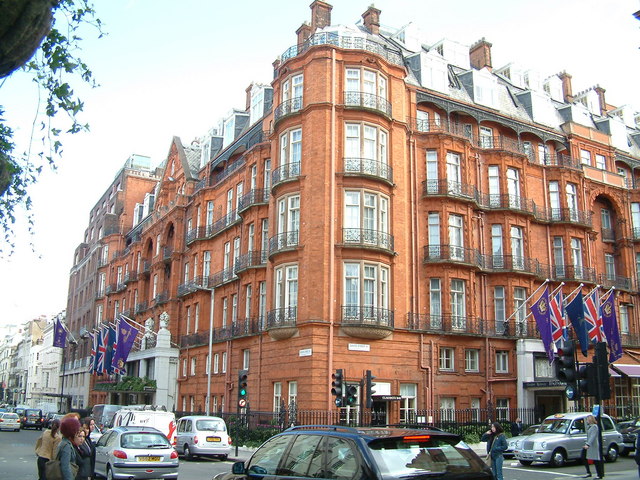
Claridge's is the art deco grand dame of Mayfair, a Maybourne flagship with a century of royal and celebrity custom, recently named London's best hotel by a major city guide and placed inside the top twenty of a global fifty-best ranking. Afternoon tea in the foyer remains one of the city's great rituals, and the dining line-up now includes a permanent Mayfair outpost of a famed New York cocktail name. On access, the honest picture: the hotel publishes no accessibility statement of its own, though booking platforms list an accessible room category with a combined shower and bathtub. Ring ahead and put your requirements in writing — at this level, the concierge desk exists to solve exactly these questions.
No published access statement on the hotel's own site as of July 2026; booking platforms list an accessible Mayfair room category with a combined shower and bathtub. Contact the hotel directly to confirm what suits your needs.
#2
The Savoy
Area: Covent Garden
For over 130 years The Savoy has held the Strand as London's most storied address, its 267 Fairmont-managed rooms stacked above the American Bar, the Beaufort Bar, the Savoy Grill and the Michelin-starred Restaurant 1890, with afternoon tea under the glass atrium of the Gallery to a live pianist. Its access information is unusually specific for a heritage building: six fully accessible rooms, two lifts directly off the Front Hall plus one in each wing, a separate lift for the Gallery, Beaufort Bar and River Restaurant, and wheelchair-accessible routes into the American Bar and Restaurant 1890. The hotel asks guests needing mobility or wheelchair assistance to make contact before arriving so staff can prepare.
Six fully accessible rooms; two lifts directly off the Front Hall plus one in each wing, with a separate lift serving the Gallery, Beaufort Bar and The River Restaurant. Restaurants and bars are wheelchair accessible, with accessible routes to the American Bar and Restaurant 1890. Contact the hotel in advance for mobility assistance.
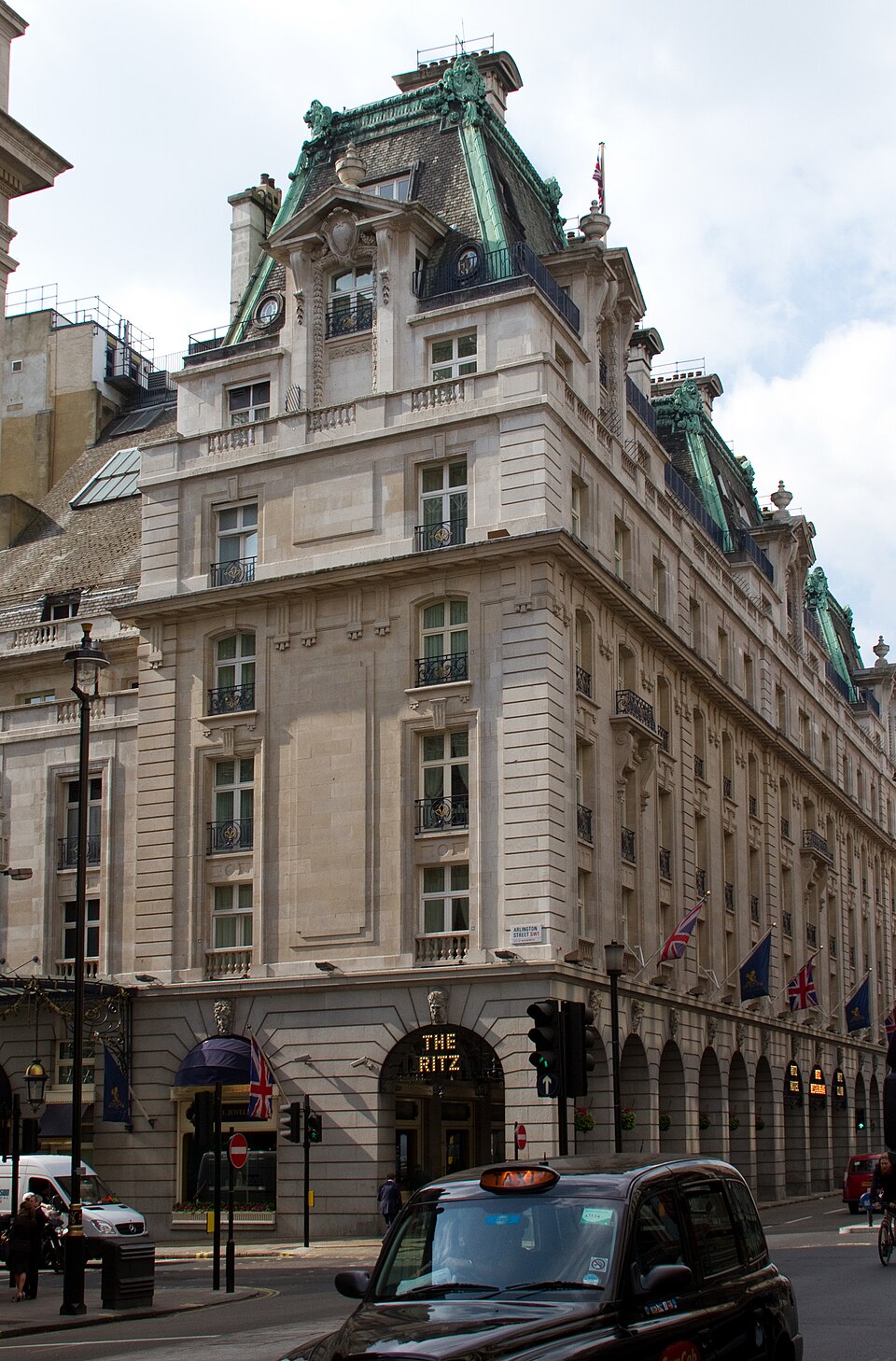
The Ritz has poured tea in the Palm Court every day since 1906, and its Louis XVI interiors, Green Park outlook and Michelin-starred frescoed restaurant keep it the reference point for old-world London glamour. Its accessibility page is more detailed than most palace hotels manage: accessible rooms come with lower handles and controls, bathroom grab rails, an additional wheelchair-height sink, emergency pull cords in both bathroom and bedroom, and a level-entry shower with a seat, with a raised toilet seat and shower chair available on request. Access-focused reviewers add one caveat worth planning around — a step at the Piccadilly entrance that needs staff assistance — so confirm your arrival arrangements when you book.
Official accessibility page details accessible rooms with grab rails, a wheelchair-height sink, emergency pull cords and a level-entry shower with seat; raised toilet seat and shower chair on request. Access reviewers note a step at the Piccadilly entrance requiring assistance — confirm arrangements in advance.
#4
The Connaught
Area: Mayfair
The Connaught sits at the heart of Mayfair village with a Condé Nast Gold List nod, martinis mixed tableside at the Connaught Bar, three Michelin stars in Hélène Darroze's dining room and a holistic spa with a pool below it all. What sets its access story apart is subtlety: an accessible-bathroom refit documented by its specialist supplier uses removable grab rails and a shower seat designed to disappear into the interiors, so adapted rooms feel like every other room in the house. Lifts serve the upper floors, accessible rooms are arranged by contacting the hotel, and a disability guide notes a sensory room for neurodiverse guests — a rarity among London's grand hotels.
Accessible rooms available on request, with bathroom refits featuring removable grab rails and a discreet shower seat designed to blend with the interiors; lift access to upper floors. A disability guide also notes a sensory room for neurodiverse guests.
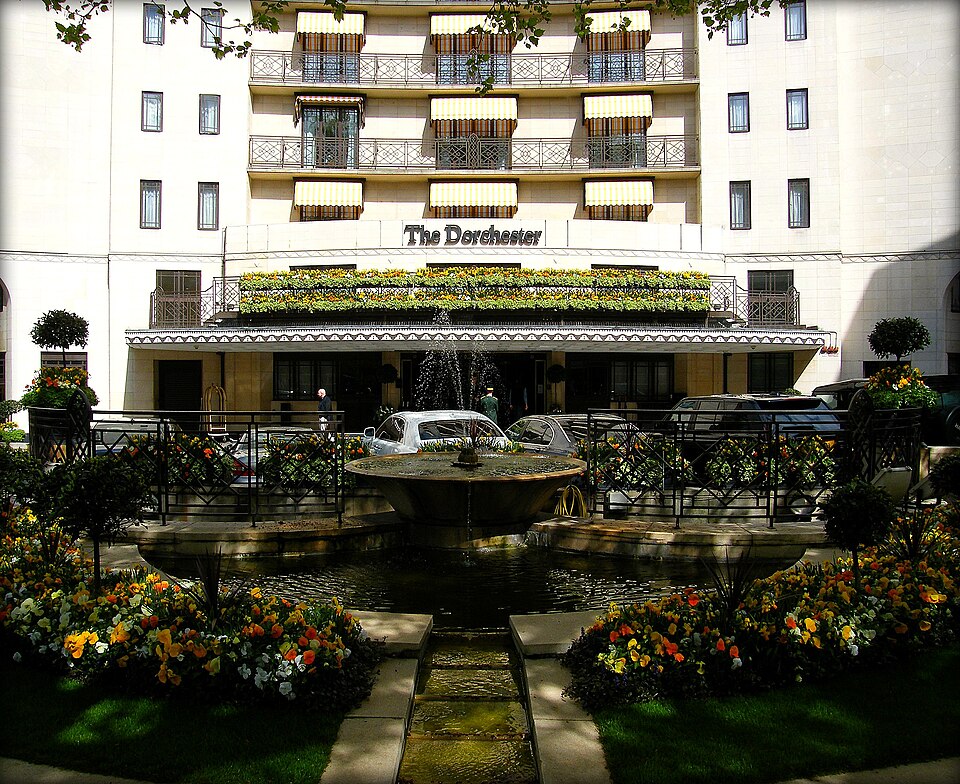
Fresh from a multi-year renovation that reworked every room and public space, The Dorchester remains Park Lane's defining grand hotel, with The Grill, The Promenade and Vesper Bar filling its ground floor and 241 rooms above. Its accessibility page is unusually detailed: a wheelchair-accessible entrance on Deanery Street, step-free ground-floor public areas with wide hallways, wheelchair-accessible restaurants and bars, accessible public restrooms, and accessible bedrooms reached by lift with roll-in showers, shower seats and grab handles. The ground-floor restaurants and bars are all wheelchair accessible too, though the spa requires additional assistance, so guests should contact it directly before visiting.
Wheelchair-accessible entrance on Deanery Street; all ground-floor public areas are step-free with wide hallways, ground-floor restaurants and bars are wheelchair accessible, and there are accessible public restrooms. Accessible rooms reached by lift offer roll-in showers, seats and grab handles.
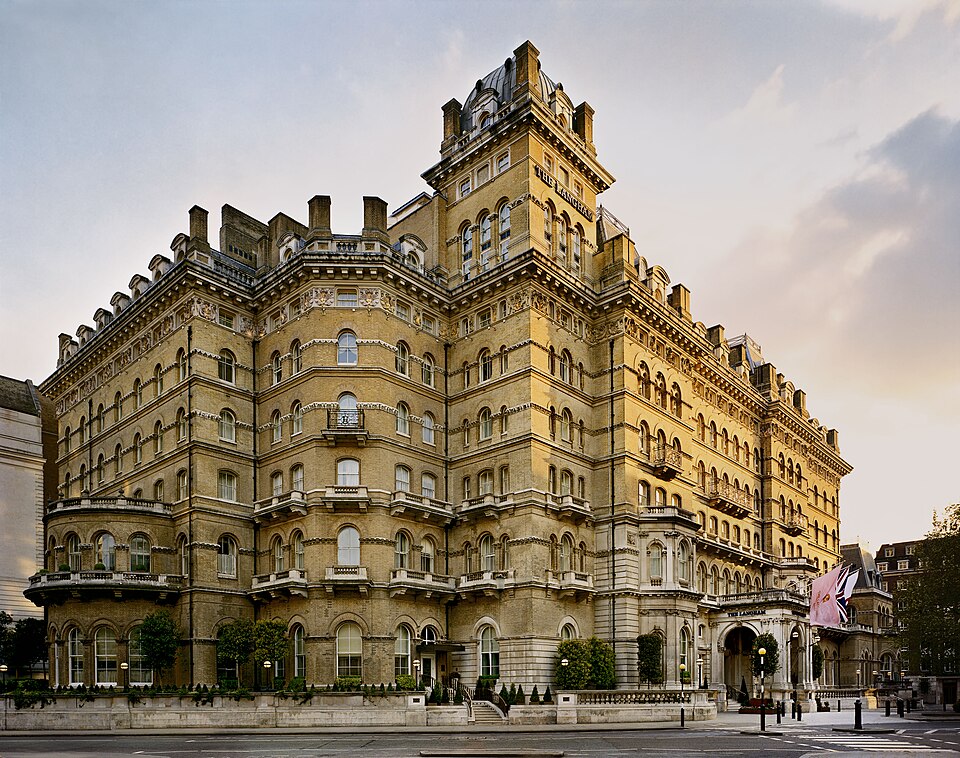
Opened in 1865 opposite what is now the BBC, The Langham is one of Europe's original grand hotels, home to the world-ranked Artesian bar, the Wigmore tavern and the Chuan spa with its pool. It is also one of the few London hotels to publish its access provision against the Equality Act 2010 by name: step-free lift access, braille and tactile signage on lifts and rooms, an accessible washroom at lobby level, accessible toilets with emergency alarms across restaurants, bars and public areas, a chair lift into the pool, wheelchairs on loan and personal emergency evacuation plans for guests who need them. It also appears on the UK's main disabled-access review site.
Official accessible-facilities page cites Equality Act 2010 compliance: step-free lift access, braille and tactile signage, a lobby-level accessible washroom, accessible toilets with emergency alarms in restaurants and public areas, a chair lift for the pool and personal emergency evacuation plans.
#7
St Pancras London
Area: Kings Cross
George Gilbert Scott's Victorian Gothic masterpiece — the former Midland Grand — rises straight out of St Pancras station, and since mid-2025 has traded as St Pancras London under Marriott's Autograph Collection. Sleeping inside one of Britain's great railway buildings is the draw; getting a Eurostar or five Tube lines from the front door is the bonus. A dedicated wheelchair-travel review found the historic fabric genuinely updated: accessible guest rooms with roll-in showers and workable routes through the building. Marriott advises calling the hotel directly to confirm exactly what each accessible room offers, and one recent guest flagged a high bathtub edge in a standard room — so specify a roll-in shower when booking rather than assuming.
A dedicated wheelchair-access review documents accessible guest rooms with roll-in showers in the updated Victorian Gothic building. Marriott advises calling the hotel to confirm accessible room features; one guest review noted a high bathtub edge in a standard room.
#8
The Ned
Area: City of London
Soho House and Sydell turned the former Midland Bank headquarters — a Lutyens landmark at Bank — into The Ned, where a dozen restaurants share the old banking hall beneath floors of hotel rooms and a members' rooftop pool. The building's grandeur is the point, and the basement vault bar still has its original door. The hotel publishes an accessible-bedrooms page describing rooms with lower beds, spacious layouts and accessibility fittings, and a wheelchair-using guest wrote warmly about both their room and the staff. The same review adds two practical caveats for planning: the lifts run narrow for larger powered chairs, and there is no clearance under the bed for a mobile hoist.
Official accessible-bedrooms page lists rooms with lower beds, spacious layouts and accessibility fittings. A wheelchair-using guest praised their accessible room and the service, while flagging narrow lifts and no hoist clearance under the bed.
#9
The Standard, London
Area: Kings Cross
The Standard planted its first hotel outside America in the brutalist former Camden Town Hall Annex opposite St Pancras, and its retro-playful rooms, rooftop restaurant and lively ground floor have made it a fixture of best-of-London lists ever since. Because the building is a 1970s conversion rather than a Victorian one, access works in its favour: the hotel describes itself as fully wheelchair accessible with lifts throughout, and its adapted rooms pair a wheelchair-accessible bathroom with a large open-plan roll-in shower. Vibrating pillows are available for guests with hearing impairments, and a dedicated contact handles accessible-room bookings, so requirements can be settled before arrival rather than negotiated at the desk.
The hotel describes itself as fully wheelchair accessible with lifts throughout; specially adapted rooms have a wheelchair-accessible bathroom with a large open-plan roll-in shower, and vibrating pillows are available for guests with hearing impairments. A dedicated contact handles accessible-room bookings.
#10
Sea Containers London
Area: South Bank
Between the Oxo Tower and Tate Modern, Sea Containers London fills a riverfront landmark with 359 design-led rooms, a spa, an in-house cinema and the 12th Knot rooftop bar looking across the Thames. City guides flag it as family-friendly, but its quiet strength is documentation: the UK's main disabled-access guide has surveyed the whole building, recording 24 accessible rooms with wet-room roll-in showers, another 14 accessible rooms with baths, and step-free access into the ground-floor restaurant with proper space to manoeuvre a wheelchair. With step-free Blackfriars station about 180 metres away, it is one of the easiest large hotels in London to reach and stay in on wheels.
A full AccessAble guide documents 24 accessible rooms with wet-room roll-in showers plus 14 with baths, and step-free access to the ground-floor restaurant with room to manoeuvre a wheelchair. Blackfriars station is roughly 180m away.
#11
One Hundred Shoreditch
Area: Shoreditch
The former Ace Hotel site on Shoreditch High Street reopened as One Hundred Shoreditch, an independent 258-room hotel with a Mr Lyan cocktail bar in the Seed Library and an East-Mediterranean rooftop restaurant. On paper its access provision is strong — an official accessibility page backed by an independent access-guide survey lists more than ten adapted bedrooms with roll-in showers and handrails inside and out, with step-free level access via lift at the most accessible entrance and step-free routes to every bedroom. One wheelchair-using guest, however, found the external platform lift out of service for weeks and the thick carpet hard to wheel across, so confirm the lift is working before you set off.
Official accessibility page and an AccessAble guide document 10+ adapted bedrooms with roll-in showers and handrails, and step-free level access via lift at the most accessible entrance. One wheelchair-using guest reported the external platform lift out of service for weeks and thick carpet that hampered wheeling — check the lift is running before you travel.
#12
Broadwick Soho
Area: Soho
Broadwick Soho opened in 2023 as Soho's most flamboyant boutique: maximalist Jazz Age interiors by Martin Brudnizki, a residents' lounge and the rooftop bar Flute, all squeezed onto Broadwick Street with a city best-hotels listing already to its name. For a new-build boutique it takes access seriously and says so in writing: a step-free path to the entrance and step-free routes throughout to the restaurant, lounge and bars, accessible public washrooms, wheelchair refuge points on every floor, and a handful of adapted guest rooms with grab bars, roll-in showers and the option to connect to a neighbouring room for a travelling companion. It is proof that small and characterful does not have to mean inaccessible — the two too often travel together in Soho.
Official accessibility page: step-free path to the entrance and step-free routes to the restaurant, lounge and bars, accessible public washrooms, wheelchair refuge points on every floor, and adapted guest rooms with grab bars, roll-in showers and connecting-room options.
#13
Ham Yard Hotel
Area: Soho
Kit Kemp's Firmdale flagship hides a whole village off Piccadilly Circus: 91 individually designed rooms, an original 1950s bowling alley, a 190-seat theatre, the Soholistic Spa and a rooftop terrace that runs a summer events series. Every room is different, which is the charm and the access question at once. There is no Ham Yard-specific statement, but the group's accessibility page describes accessible public entrances, step-free routes to restaurants and bars, accessible public restrooms, and accessible rooms with wheelchair clearance and roll-in showers in many, alongside strobe alarms and bed shakers for guests with hearing impairments. Because provision varies between Firmdale houses, email the group's accessibility team to pin down exactly what this one offers.
No Ham Yard-specific access statement, but the Firmdale group accessibility page covers accessible public entrances, step-free routes to restaurants and bars, accessible public restrooms and accessible rooms — many with roll-in showers — plus strobe alarms and bed shakers. Features vary by hotel, so confirm with the group's accessibility team.
#14
The Hoxton, Shoreditch
Area: Shoreditch
The original Hoxton on Great Eastern Street more or less invented the buzzy-lobby formula London now takes for granted, and a refresh of its rooms landed ahead of a 2026 review round. Its access provision is unusually concrete for the affordable-cool bracket: seven adapted rooms across two categories, every one on the ground floor with a roll-in shower, grab bars, lowered fittings, vibrating pillows and generous turning space, while ramps, lifts and wide corridors keep the communal areas and public bathrooms usable on wheels. A blind reviewer praised how navigable the building is and how readily staff answered detailed access questions before arrival — the kind of detail that rarely makes it into hotel marketing.
Seven adapted rooms, all on the ground floor, each with a roll-in shower, grab bars, lowered features, vibrating pillows and generous space to manoeuvre a wheelchair. Communal areas and public bathrooms are accessible via ramps, lifts and wide corridors.
#15
Shangri-La The Shard, London
Area: London Bridge
Floors 34 to 52 of the Shard hold Western Europe's highest hotel rooms and its famous infinity sky pool, with floor-to-ceiling views that turn every bedroom into an observation deck; a 2025 global awards list named it London's best hotel. Access reviewers found more provision than the address suggests: accessible rooms with roll-in rain showers, grab rails and heated marble bathroom floors, big bright lifts with accessible-height buttons, and every restaurant and bar reachable by wheelchair. Two caveats from the same write-ups: hallways run narrower than the scale of the building implies, and the pool was observed with ladder-only entry and no visible hoist. The hotel advises calling directly to lock in an accessible room.
Access reviews describe accessible rooms with roll-in rain showers and grab rails, large bright lifts with accessible-height buttons, and wheelchair-accessible restaurants and bars. Caveats: hallways run narrower than expected and the sky pool was observed with ladder-only entry. Call directly to secure an accessible room.
Behind its Edwardian courtyard entrance on High Holborn, Rosewood London pairs grand-manor architecture with the Holborn Dining Room and its celebrated pies, and it has built a quiet reputation in the wheelchair-using community as the luxury hotel that actually delivers. Reviewers who wheel through it describe four accessible rooms and suites with handrails, pull-down rails at the lavatory and shower, low wardrobe rails and in-room emergency cords, with everything positioned within reach; outside the rooms they note dropped kerbs, smooth flooring around the property and ample turning space. It is the rare five-star where the access detail comes from disabled guests' own published accounts rather than the marketing department, and the accounts are glowing.
Wheelchair-using reviewers document four accessible rooms and suites with handrails, pull-down rails for lavatory and shower, low wardrobe rails and in-room emergency cords, plus dropped kerbs and smooth flooring around the property and ample turning space throughout.
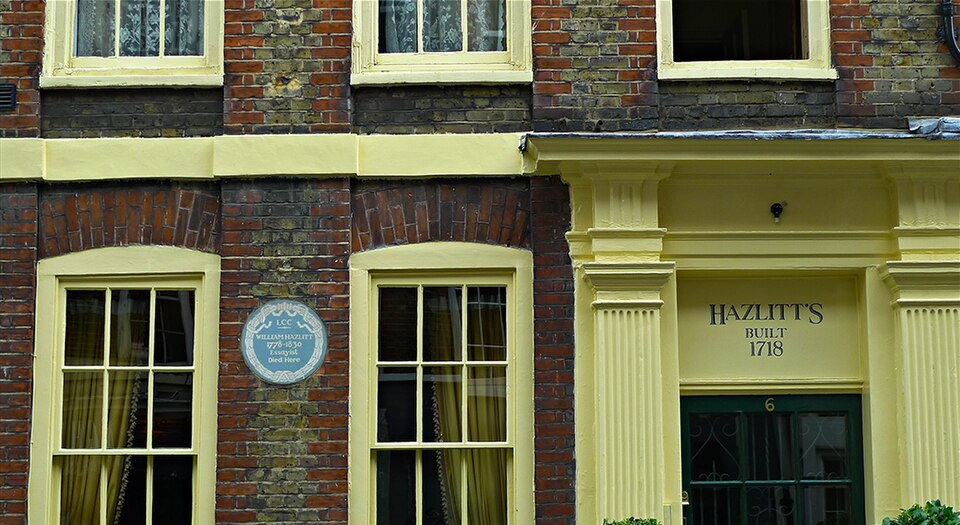
Hazlitt's is Soho's great literary hideaway: thirty rooms spread across four Georgian townhouses dating to 1718, all antique four-posters, creaking panelling and the ghost of the essayist it is named after, with a city best-hotels listing to show the formula still works. It earns its place here as an honest warning as much as a recommendation. Reviewers are consistent: the stairs are steep, the 300-year-old floors slope, and only one of the four houses has a lift, so guests with limited mobility are repeatedly steered away. There is no published access statement. If stairs are no obstacle it is one of the most atmospheric sleeps in London; if they are, look to Broadwick Soho nearby instead.
Reviewers consistently flag steep stairs, sloping 300-year-old floors and a lift in only one of the four Georgian townhouses; it is repeatedly described as unsuitable for less-agile guests, and there is no published access statement.
#18
The Resident Covent Garden
Area: Covent Garden
Steps from the piazza, The Resident Covent Garden — formerly The Nadler — has built its reputation on compact, cleverly designed rooms with mini-kitchenettes, putting theatreland, the Royal Opera House and half of the West End within a short roll or stroll. The small Resident group publishes a proper accessibility statement rather than a vague promise: accessible bedrooms with wheelchair drive-in showers, emergency pull cords in the bathrooms, strobe-light and audible fire alarms for guests with hearing impairments, and rooms reachable without using stairs. Guest reviews back the paperwork, with one titled specifically around how well the hotel works for wheelchair users. For a midrange central stay, that combination is hard to beat.
Group accessibility statement covers accessible bedrooms with wheelchair drive-in showers, emergency bathroom pull cords, strobe-light and audible fire alarms, and rooms reachable without stairs. A guest review specifically praises it as very accessible for wheelchair users.
#19
Premier Inn London County Hall
Area: South Bank
Inside the early-1900s County Hall next to the London Eye, this big Premier Inn is the family standby of the South Bank: dependable rooms, a river-adjacent location facing Westminster, and ratings that hover reassuringly high year after year. A review on the UK's disabled-access community site sums it up as accessible with compromises, and the detail supports that: accessible rooms offer noticeably more space, wider bathroom entries, lowered baths or wet rooms and options to adjust bed height, while the listed building's bones occasionally get in the way. The reviewer found staff very willing to help work around the quirks. For wheelchair users wanting the South Bank on a sensible budget, it remains the obvious first call.
A Euan's Guide review found the accessible rooms genuinely more spacious, with wider bathroom entries, lowered baths or wet rooms and bed-height adjustment options, while noting the historic County Hall building imposes real compromises. Staff are described as very willing to help.
#20
Strand Palace
Area: Covent Garden
The Strand Palace has been theatreland's big, sensible stalwart since 1909, sitting directly opposite the Savoy at a fraction of the price, its compact rooms modernised with touches like refillable water bottles. Access provision runs broader than its midrange billing suggests: wheelchair-accessible rooms and bathrooms, lifts fitted with braille and auditory signals, ramps and wide corridors, and staff assistance on request for guests with visual or hearing impairments. The service culture shows in the reviews — one 2025 guest who found a high shower step in their original room was moved to an accessible first-floor room by staff described as going well beyond expectations. For West End show trips on wheels, it is a dependable base.
Wheelchair-accessible rooms and bathrooms, lifts with braille and auditory signals, ramps and wide corridors, with assistance available on request for guests with visual or hearing impairments. A 2025 guest was moved to an accessible first-floor room after finding a high shower step, describing staff as going well beyond expectations.
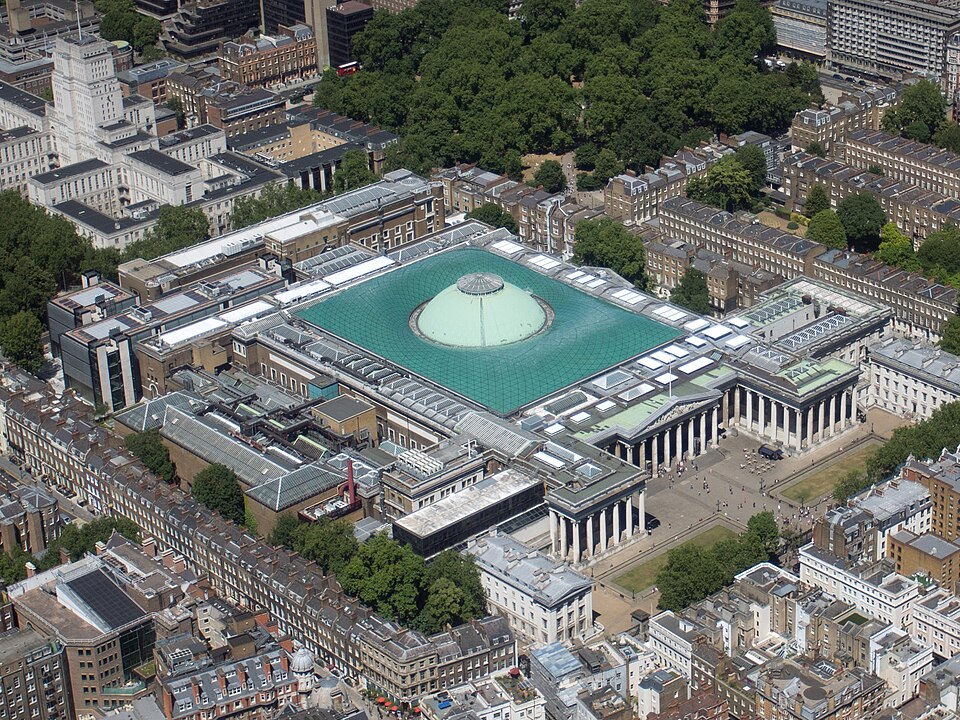
Eight million objects, the Rosetta Stone, the Parthenon sculptures and no admission charge make the British Museum the single most visited attraction in the country, with the glass-roofed Great Court at its heart. The main entrance on Great Russell Street is step-free via lifts, an accessible toilet sits next to the Collections Shop in the Great Court, and manual wheelchairs can be borrowed free. One planning note: published access guides contradict each other on whether the museum has a Changing Places toilet, and we could not settle it against the official page — so if you need a hoist and bench, plan around a confirmed facility elsewhere in Bloomsbury rather than relying on finding one here.
Step-free access via lifts at the Great Russell Street main entrance, an accessible toilet next to the Collections Shop in the Great Court, and free manual wheelchair loan. Access guides disagree on whether there is a Changing Places toilet on site, so do not count on one — plan around confirmed facilities elsewhere.
The blue whale diving through Hintze Hall, the dinosaur gallery and 80 million specimens make the Natural History Museum the family day out of South Kensington, free to enter and packed year-round. It is also one of the best-equipped buildings in London for visitors with access needs: all three main entrances are step-free via ramps or lifts, step-free toilets appear in every colour zone, and there are two Changing Places toilets — one on the corridor near Mammals and Marine Life, another on the ground floor of the North Wing. Both need a RADAR key, available from the lockbox by the door or the information desk in Hintze Hall if you arrive without your own.
All three main entrances are step-free via ramps or lifts, with step-free toilets in every colour zone. Two Changing Places toilets: one on the corridor near Mammals and Marine Life, one on the ground floor of the North Wing — RADAR key required, from the lockbox by the door or the Hintze Hall information desk.
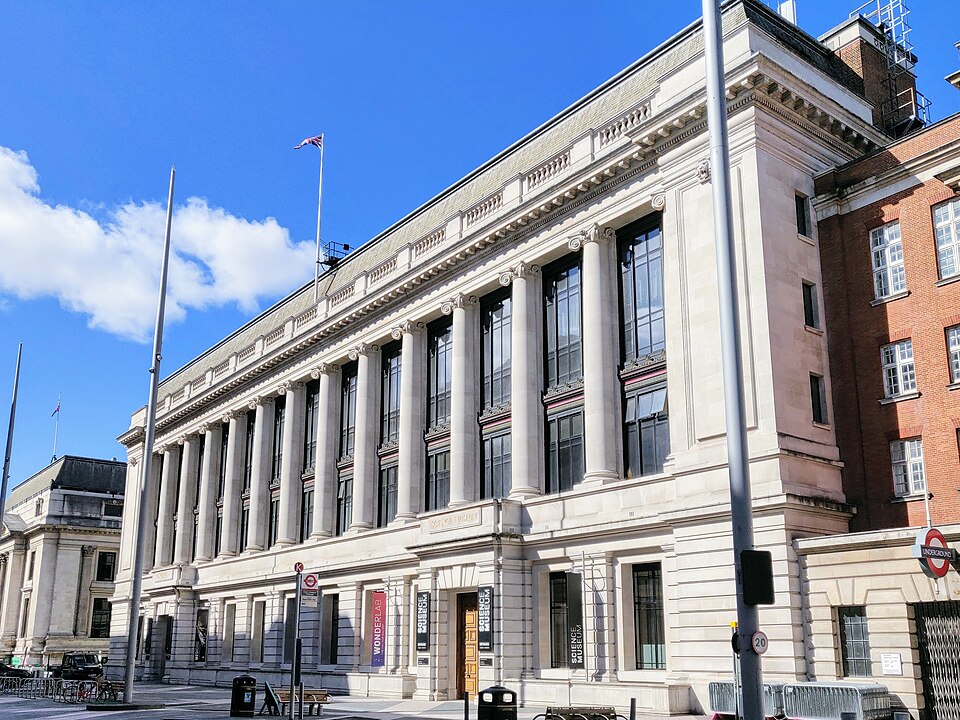
Seven floors of hands-on galleries, the Energy Hall's steam giants and real spacecraft make the Science Museum the interactive heavyweight of Exhibition Road, free to enter like its South Kensington neighbours. Its headline access facility is exactly where it should be: a Changing Places toilet on Level 0, next to the Hans Rausing Lecture Theatre, equipped with a hoist and adult changing bench, opened with a RADAR key — and staff will assist if you arrive without one. Accessible toilets run through all levels, and the museum has publicly documented joining the Changing Places network.
Changing Places toilet on Level 0, next to the Hans Rausing Lecture Theatre, with hoist and changing bench — RADAR key access, and staff can assist if you have no key. Accessible toilets on all levels.
The V&A holds the world's greatest collection of art, design and performance — fashion, textiles, sculpture and entire period rooms — with free general admission and blockbuster ticketed shows. Its access statement is refreshingly practical: every part of the museum can be reached step-free, using the level Cromwell Road entrance or the automatic doors on Exhibition Road, with the honest caveat that step-free routes through the historic building sometimes take the long way round. Thirteen accessible toilets with grab rails are spread through the galleries. There is no Changing Places toilet on site, and the museum says so plainly, directing visitors to the nearest one at the Science Museum a few minutes along Exhibition Road.
Step-free access to all parts of the museum, via the step-free Cromwell Road entrance and the automatic-door Exhibition Road entrance, though step-free routes can take longer in the historic building. 13 accessible toilets with grab rails. No Changing Places toilet on site — the museum directs visitors to the nearest at the Science Museum.
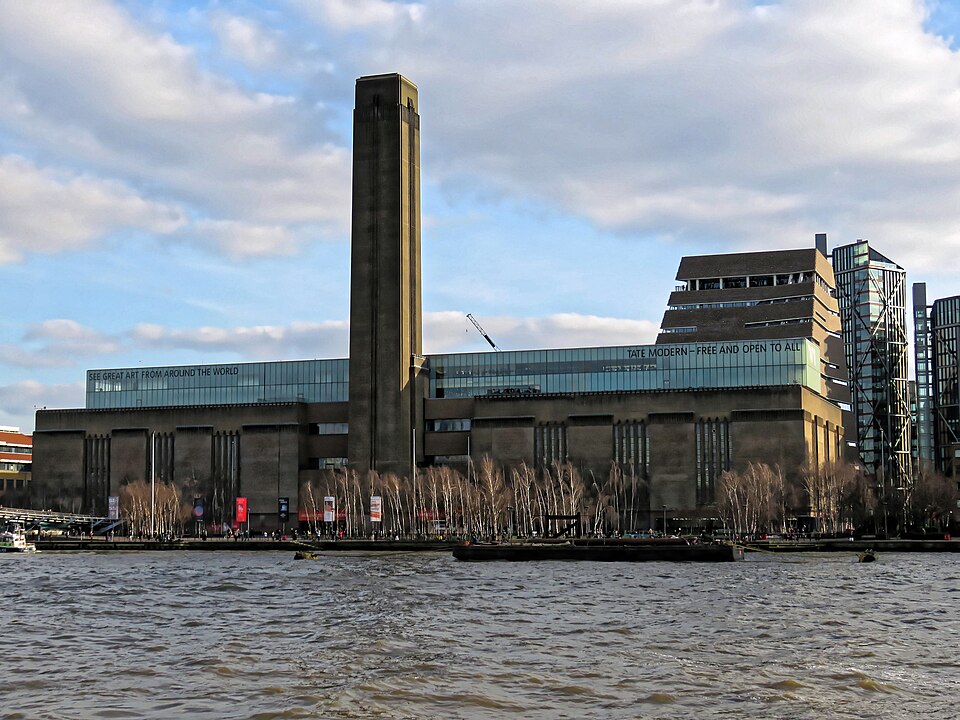
Bankside Power Station's conversion into Tate Modern gave London its most dramatic free gallery, with the Turbine Hall's vast commissions setting the tone and the Blavatnik Building's viewing levels stacking modern and contemporary art above the Thames. Access matches the ambition: every entrance is step-free — into the Turbine Hall or the Blavatnik Building from Park Street — and eight lifts thread the newer tower. A Changing Places toilet sits on Level 0 of the Natalie Bell Building, with the RADAR key held at the Level 0 ticket desk and by South entrance staff. Wheelchairs can be borrowed free and hearing loops are fitted, making this one of the South Bank's most reliably equipped days out.
All entrances are step-free, with eight lifts in the Blavatnik Building. Changing Places toilet on Level 0 of the Natalie Bell Building — RADAR key from the Level 0 ticket desk or South entrance staff. Free wheelchair loan and hearing loops.
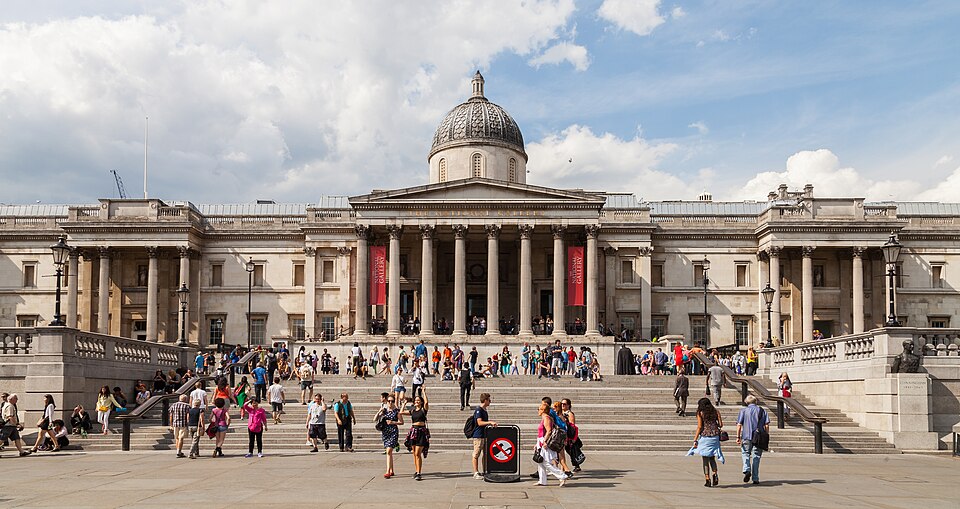
Seven centuries of Western European painting hang free of charge on Trafalgar Square, and the reworked Sainsbury Wing — reopened as the gallery's new front door — doubles as its main step-free entrance. Lifts connect every level, and accessible and ambulant toilets cluster near all the entrances, across three floors of the Sainsbury Wing and beyond. The National Gallery also has two Changing Places toilets, on the ground floors of the Sainsbury Wing and the Roden Centre for Creative Learning; both need a RADAR key, and the Gallery can lend one on the spot. An independent tourism-access guide rates it as having step-free access to all or most areas via ramps and lifts.
The Sainsbury Wing is the main step-free entrance, with lifts connecting all levels and accessible toilets near every entrance. Two Changing Places toilets: ground floor of the Sainsbury Wing and ground floor of the Roden Centre for Creative Learning — RADAR key needed, and the Gallery can provide one.
The National Portrait Gallery emerged from its 2023 redevelopment with a new Ross Place entrance and a rehang that puts the faces of British history — monarchs, scientists, musicians, activists — into fresh conversation, all free to visit beside Trafalgar Square. The rebuild took access with it: every entrance is now step-free, lifts link the floors, and a Changing Places toilet on Floor -2 is open to the public, with the one caveat that visitors need to bring their own sling for the hoist. The installation was notable enough to draw trade-press coverage, and the gallery's provision is listed with the national accessible-tourism body — a redevelopment that treated access as part of the architecture.
All entrances are step-free, with the main entrance at Ross Place and lifts between floors. Changing Places toilet on Floor -2, open to the public — bring your own sling for the hoist.
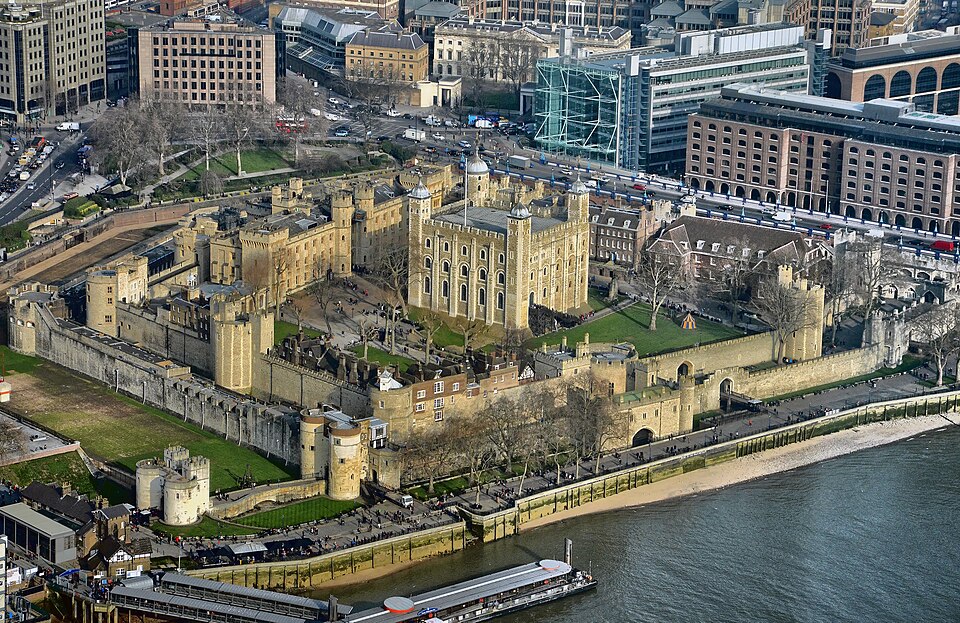
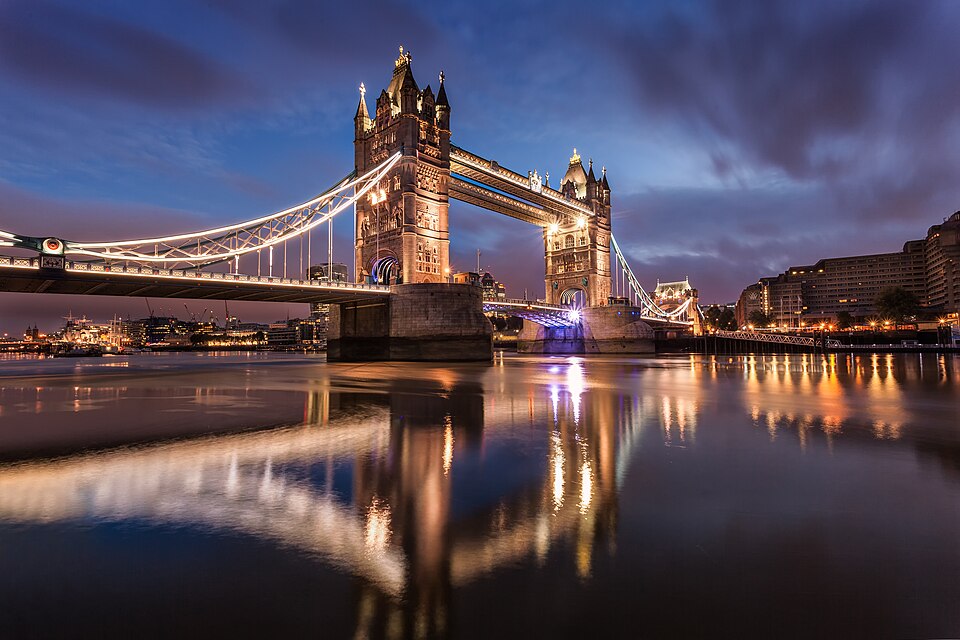
Nearly a thousand years of palace, prison and execution ground surround the Crown Jewels at the Tower of London, where Yeoman Warders still lead the storytelling. A medieval fortress will never be flat — cobbles and uneven surfaces run throughout — but the essentials are well arranged: the Jewel House is step-free with a moving walkway carrying visitors past the regalia, free wheelchairs can be borrowed from the Welcome Centre, and a Changing Places toilet sits in the ground-floor lobby of the New Armouries building beside the cafe, with the RADAR key held by cafe staff. Even neighbouring Tower Bridge points its own visitors here as the nearest Changing Places facility.
Changing Places toilet in the ground-floor lobby of the New Armouries building next to the cafe — ask cafe staff for the RADAR key. The Jewel House has step-free access with a moving walkway, and wheelchairs can be borrowed free from the Welcome Centre. Expect cobbled and uneven surfaces across the fortress.
Walking the glass floor a hundred and forty feet above the roadway is the headline of the Tower Bridge exhibition, with the Victorian steam engine rooms finishing the visit at river level. The route works on wheels: lifts climb both towers to the high-level walkways, an external lift drops from bridge level to the Thames footpath for the Engine Rooms, and accessible step-free toilets appear at all three stops — North Tower, South Tower and Engine Rooms. Wheelchairs and walking frames can be borrowed, and priority entry covers visitors who cannot queue. The bridge is upfront that it has no Changing Places toilet, pointing instead to the Tower of London 700 metres away or London Bridge station.
Lifts serve the high-level walkways in both towers, with an external lift down to the Thames footpath for the Engine Rooms. Accessible step-free toilets in the North Tower, South Tower and Engine Rooms; wheelchairs and walking frames to borrow and priority entry for those unable to queue. No Changing Places toilet on site — the nearest are at the Tower of London and London Bridge station.
For a few months each year the monarch's official residence opens its State Rooms, and the Royal Collection Trust runs one of the more organised access operations in London tourism to match. Wheelchair users book a dedicated, largely step-free route in advance through the specialist sales team, manual wheelchairs, mobility scooters and folding stools are lent free, accessible toilets sit at the start of the route and in the garden, and essential carers receive a free companion ticket. There is no Changing Places facility inside the State Rooms themselves, but there is one at the Royal Mews, the working stables next door — close enough to build into a visit without leaving the palace's footprint.
The State Rooms are fully accessible to wheelchair users via a largely step-free, pre-booked access route, with free loan of wheelchairs, mobility scooters and folding stools, accessible toilets on the route and in the garden, and a free companion ticket for essential carers. The nearest Changing Places toilet is at the Royal Mews next door.
Henry VIII's great Tudor palace rewards the trek to southwest London with five centuries of royal history, celebrated gardens and the famous hedge maze — city guides still rank it among the capital's essential days out. Historic Royal Palaces publishes an honest picture of what a 500-year-old complex can offer: most areas are step-free or lift-served, every toilet block has step-free access, and free maps mark the wheelchair-friendly routes through the site. The gardens are largely manageable but include gravel and uneven paths, and the palace states plainly that there is no Changing Places toilet at present — worth knowing before committing to a full day this far from central London's facilities.
Most areas have step-free access or lifts and every toilet block has step-free access, with free maps marking wheelchair-friendly routes. The gardens are mostly step-free but include gravel and uneven paths. Historic Royal Palaces states plainly that there is no Changing Places toilet at present.
Every English and British coronation since 1066 has happened inside Westminster Abbey, whose Gothic nave shelters the graves of monarchs, scientists and poets in a working royal church and UNESCO World Heritage Site. Its access provision has quietly caught up with its status: a new step-free entrance now runs through the West Door — the most significant rethink of how visitors enter the Abbey in a generation — fully accessible toilets sit in the Cloisters along a step-free path, and a lift with staff assistance reaches the Queen's Diamond Jubilee Galleries high above the nave. Hearing loops and borrowable wheelchairs round it out; no Changing Places facility is mentioned in the Abbey's published information.
A new step-free entrance at the West Door — the biggest change to the Abbey's entrance arrangements in a generation — plus fully accessible toilets in the Cloisters via a step-free path, a staff-assisted lift to the Queen's Diamond Jubilee Galleries, hearing loops and borrowable wheelchairs.
Wren's dome still commands the City skyline, and while the Whispering Gallery climb will always belong to those who can manage hundreds of steps, the cathedral floor and crypt now welcome everyone. A permanent ramped entrance at the North Transept, opened in 2022, ended the era of side-door workarounds, and the Crypt near the cafe holds a Changing Places toilet with ceiling hoist, adult-sized height-adjustable bench and grab rails — the fourth such facility in the City of London, alongside further wheelchair-accessible unisex toilets. The same project also improved lighting, added handrails and clearer signage. The Changing Places Consortium itself publicised the installation, a measure of how rare cathedral-grade access still is.
Permanent ramped step-free entrance at the North Transept, and a Changing Places toilet in the Crypt near the cafe with ceiling hoist, adult-sized height-adjustable changing bench and grab rails — one of only a handful in the City of London. Additional wheelchair-accessible unisex toilets in the Crypt, with improved lighting, added handrails and clearer signage.
London's great observation wheel turns slowly enough to roll straight aboard, and its accessibility arrangements are more structured than most visitors realise: each pod carries up to two wheelchair users with a maximum of eight on the wheel at any one time, which is exactly why the operator strongly recommends booking wheelchair slots in advance. Assisted boarding covers anyone unable to queue, and qualifying documentation brings a free companion ticket. An independent access survey records two wheelchair-accessible toilets — left- and right-transfer — inside the County Hall ticket office, and notes that the step-free riverside approach follows a signed detour from Westminster Bridge rather than the stairs everyone else uses. Plan those two details and the views to twenty-five miles do the rest.
Each rotating pod takes up to two wheelchair users (maximum eight on the wheel at once), so book wheelchair slots in advance; assisted boarding is available for those unable to queue, and a free companion ticket comes with qualifying documentation. Two wheelchair-accessible toilets (left- and right-transfer) in the County Hall ticket office; the step-free riverside approach follows a signed detour from Westminster Bridge.
The highest public viewpoint in Western Europe caps the Shard's levels 68 to 72, finishing on an open-air skydeck a thousand feet over London Bridge. Remarkably, the whole journey works on wheels: wheelchair-accessible lifts rise from ground level to 68, and a dedicated wheelchair-users' lift continues to Levels 69 and the open-air 72, with accessible toilets waiting on Levels 1 and 68. Registered disabled guests bring a carer free, and chairs can be supplied on request for anyone who cannot stand for long. A maintenance window in spring 2026 briefly interrupted step-free access to the top levels, but that work has finished and the full height is open again.
Fully accessible from ground level to the open-air Level 72 skydeck: wheelchair-accessible lifts run to Level 68 with a dedicated wheelchair-users' lift to Levels 69 and 72, and accessible toilets sit on Levels 1 and 68. Free carer ticket for registered disabled guests; chairs supplied on request. A spring 2026 maintenance closure of the upper levels has ended.
#16
Sky Garden
Area: City of London
London's highest free garden fills the top of the Walkie Talkie at 20 Fenchurch Street, where tropical planting climbs three storeys of terraces around a 360-degree viewing floor — timed tickets are free but disappear fast. It is one of the easiest views in the city to reach on wheels: lifts run straight up from the ground floor, the garden pathways are wide, and a dedicated wheelchair-accessible toilet with grab rails and an emergency pull cord sits on Level 35 right by the lift arrival point, so there is no trek across the venue to find it. Assistance dogs are welcome, and the level layout makes the whole visit genuinely effortless compared with the paid viewpoints.
Fully wheelchair accessible, with lifts from the ground floor, wide pathways through the gardens, and a dedicated wheelchair-accessible toilet on Level 35 near the lift arrival point with grab rails and an emergency pull cord. Assistance dogs welcome.
London's most famous food market has traded by London Bridge since the Middle Ages, and its lanes of produce stalls and street food remain the city's benchmark grazing ground. The geography is kind: everything public sits on one ground-floor level with no lifts or stairs anywhere on the route, though the historic estate throws in cobbles and a few tight corners, with passageways ranging from 1.5 to 4 metres wide. Four fully fitted accessible toilets with emergency pull cords operate during trading hours across Three Crown Square, Borough Market Kitchen and the Market Hall — and none of them needs a RADAR key, a small but telling courtesy in a venue this busy.
Public spaces sit on a single ground-floor level with no lifts or stairs needed, though the historic estate includes cobbles and some harder-to-access corners. Four fully fitted accessible WCs with emergency pull cords operate during trading hours, no RADAR key required; passageways run 1.5 to 4 metres wide.
The sprawl of markets around Camden Lock — the Stables, the Lock and the newer Hawley Wharf — mixes street food, vintage and independent makers into one of London's biggest free days out. Access splits by era: Hawley Wharf, the modern quarter, is step-free with lifts to every floor and a Changing Places toilet, while the Victorian Stables and Lock are largely step-free but genuinely harder going, with cobbles and uneven floors baked into the listed buildings. The official site map marks every lift, ramp and accessible toilet, and a 24/7 security assistance line backs it up. Start at Hawley Wharf for the easiest run, then tackle as much of the cobbles as suits.
Hawley Wharf has step-free access, lifts to all floors and a Changing Places toilet; much of the Stables and Lock markets is step-free but harder to navigate over cobbles and uneven floors in the listed buildings. The site map marks lifts, ramps and accessible toilets, and a 24/7 security line can assist.
Three hundred acres of UNESCO-listed gardens, the great Victorian glasshouses and the Treetop Walkway make Kew a full day at the city's south-western edge. The terrain is mostly flat and the infrastructure is thought through: unisex accessible toilets sit within easy reach of the main attractions, cafes and gates, and a limited pool of manual wheelchairs waits at every entrance gate for borrowing. Near Brentford Gate there is a specialised adult changing facility with a hoist and changing bench — bring your own sling, and collect the key from the Brentford Gate ticket desk. Some paths run to gravel and the odd uneven stretch, but few landscapes this size are as manageable on wheels.
A specialised adult changing facility with hoist and changing bench sits near Brentford Gate — bring your own sling; the key is held at the Brentford Gate ticket desk. Unisex accessible toilets are within easy reach of the main attractions, cafes and gates, manual wheelchairs can be borrowed at each entrance, and the gardens are largely flat with some uneven and gravel stretches.
#20
Regent's Park & Primrose Hill
Area: Regent's Park
Queen Mary's roses, the Open Air Theatre and the skyline sweep from Primrose Hill make this 410-acre Royal Park one of London's most loved green escapes. It now holds a distinction worth travelling for: a Changing Places toilet opened in February 2026 beside the Queen Elizabeth II Garden entrance, behind the Espresso Cafe — only the second such facility across all eight Royal Parks, delivered after consultation with the disability community, and opened with a RADAR/NKS key. The garden it serves was designed to match, with a wide, level central route that runs its length, edges kept clear against the planting, and benches and pull-in spots at regular points. Disability media covered the opening as the milestone it genuinely is.
A brand-new Changing Places toilet opened in February 2026 just left of the Queen Elizabeth II Garden entrance, behind the Espresso Cafe — RADAR/NKS key required. It is only the second Changing Places facility across all eight Royal Parks. The QEII Garden has a wide, step-free central route with clear edges against the planting, plus benches and pull-in spots at regular points.
What to eat
The full English breakfast
The great London morning ritual is a plate of fried eggs, bacon, sausage, beans or grilled tomato and toast or fried bread, washed down with strong builder's tea. Its natural home is the 'greasy spoon' caff, many of them run by Anglo-Italian families since the mid-twentieth century and still trading behind steamed-up windows across the city. Locals swear by the no-frills ones — E Pellicci in Bethnal Green is the listed-interior legend — where the fry-up is cheap, unhurried and served without ceremony. Order it any time of day; nobody in London thinks breakfast has a deadline.
Fish and chips
Battered white fish — cod or haddock by tradition, sustainable species increasingly — with thick-cut chips, salt and vinegar, tartare sauce and often mushy peas is the takeaway that defines a British Friday. The chippy is the institution: you either eat in at a formica table or carry it out wrapped in paper to eat by the river. London's best-known rooms, from the Seafresh in Pimlico to the fryers of the East End, argue over batter crispness and beef-dripping chips. It travels well, needs no cutlery, and remains one of the most reliably satisfying cheap meals in the city.
Pie and mash with liquor
Few dishes are as stubbornly, working-class London as pie and mash: a minced-beef pie and a scoop of mashed potato flooded with 'liquor', a green parsley sauce traditionally made with the stock from stewing eels. Jellied or stewed eels sit on the side for the traditionalists. It is served in tiled Victorian and Edwardian eel-and-pie shops — Manze's on Tower Bridge Road, trading since 1902, is the survivor everyone names — where the marble counters and wooden benches have barely changed in a century. Cheap, filling and fiercely local, it is a taste of the East and South East London that predates every food trend.
The Sunday roast
The Sunday roast is less a meal than a weekly appointment: roast beef, lamb, pork or chicken with a Yorkshire pudding, roast potatoes, seasonal vegetables and a jug of gravy, eaten slowly in a pub or dining room. London does it at every price point, from the corner boozer to famous rooms where the beef is carved from a trolley and tables are booked weeks ahead. The gastropubs of the city — the kind with a blackboard and a proper gravy — have turned it into an art form. Arrive hungry, stay for the afternoon, and expect the kitchen to run out by mid-afternoon at the best ones.
The salt beef beigel
At the top of Brick Lane, two rival bakeries have kept the East End's Jewish beigel tradition alive around the clock for decades. The dense, chewy beigel — boiled then baked, the East End spelling deliberate — comes stuffed with hot salt beef, a slab of English mustard and a pickle, or classically with cream cheese and smoked salmon. It is eaten standing on the pavement at any hour, and the queue at 3am is as much a part of London as at lunchtime. Cheap, enormous and gloriously untidy, it is the city's definitive late-night and morning-after food.
Curry-house classics
Whitechapel's Punjabi grill houses are a London institution in their own right: dry-spiced lamb chops arriving still sizzling on cast iron, karahi curries, dhal and blistered naan straight from the tandoor, served fast in packed, canteen-loud rooms. The flagship venues are famously bring-your-own — no corkage — which is half the ritual and half the value. This is a different tradition from the anglicised 'curry house' of legend: fierier, faster, rooted in the Punjabi and Bangladeshi communities of the East End. Go in a group, over-order the chops, and accept that there will be a wait at the door on any given night.
The Borough Market cheese toastie
Kappacasein's cheese toastie has drawn queues across Borough Market for years, and rightly so: toasted sourdough packed with Montgomery cheddar, Ogleshield and Comté, sharpened with onion and leek, griddled until the edges lace and crisp. The same stall scrapes molten raclette over hot potatoes for the winter crowd, and matures its raw-milk cheeses under the railway arches nearby. It is the definitive London market lunch — messy, generous and best eaten on your feet with the market roaring around you. Borough Market itself is step-free on a single level, which makes joining the queue easier than most of the city's food shrines.
Ocakbasi grill
Long before the late-night doner, London's Turkish and Kurdish communities in Dalston and Green Lanes were cooking over the ocakbasi — an open fireside charcoal grill you often sit right beside. Lamb chops, adana kofte and chicken shish arrive with warm bread, sharp salads and mezze, the smoke and sizzle part of the show. Many of the best rooms are bring-your-own, which keeps a feast affordable. This is the kebab eaten properly: sit-down, unhurried and communal, the dignified ancestor of the 3am wrap. Head up the Kingsland Road or into Harringay and follow the charcoal smell to the busiest room.
The Scotch egg
A soft or fondant-yolked boiled egg wrapped in seasoned sausage meat, breadcrumbed and deep-fried, the Scotch egg is the aristocrat of British bar snacks. London's gastropubs turned it from a picnic staple into a menu fixture, serving it warm with a runny centre and endless variations — venison, haggis, black pudding, curried. The bar at the Ship in Wandsworth and countless others treat it as a house test. Order one with a pint, cut it in half to admire the yolk, and understand why a cold, hard-boiled supermarket version bears almost no relation to the real thing done well.
The Bread Ahead doughnut
Bread Ahead's doughnuts, sold from the Borough Market bakery stall and its offshoots, have become London's most beloved modern sweet: pillowy, hand-piped and filled to bursting, with vanilla custard and salted-caramel honeycomb the classics everyone argues over. They are made fresh through the day alongside the bakery's sourdough and pastries, and the queue moves fast. Warm, heavy and unapologetically indulgent, one is a meal in itself. The stall's Borough home means step-free market access on the way to it, and it has done as much as anything to make the humble filled doughnut a destination food in the city.
What to drink
Cask ale
Cask ale is Britain's living beer: it finishes fermenting in the cask down in the pub cellar and is pulled by handpump with no added gas, served cool rather than cold. The campaign group CAMRA codified the definition, and a proper London boozer will keep several on at once, the pump clips turned round when a barrel blows. Drinking it is a low-key civic ritual — a session bitter at 3.8% designed for a long afternoon of conversation. Seek out a CAMRA-listed pub, ask what's freshest, and you will taste why Londoners defend real ale so fiercely against the fizz.
London dry gin and the G&T
London dry is the benchmark gin style — juniper-led, distilled with every botanical present, no sweetening or colouring added afterwards. The name is a method rather than a place; it legally need not be made in London, though the city's distilleries have reclaimed it with gusto. Locally it is drunk most often as a gin and tonic, long over ice with a wedge of lime or a curl of cucumber. Order one in any decent bar and you are drinking three centuries of London history, from the gin-craze back streets of Hogarth to the craft distilleries now dotted across the arches and warehouses.
Builder's tea
Builder's tea is the great democratic drink of the city: strong black tea brewed straight in the mug with the bag left in, plenty of milk and usually sugar, coming out a dark beige with no ceremony whatsoever. Named for the building-trade workers who drink it all day on site, it is the fuel of the greasy-spoon caff and the office kettle alike. There is no right china and no wrong hour — it costs a pound at a Formica table and comes with a fried breakfast or a bacon roll. Nothing signals London working life more plainly than a mug of builder's on the go.
Craft beer on the Bermondsey Beer Mile
The Bermondsey Beer Mile is a roughly two-mile chain of microbreweries, taprooms and bottle shops tucked under the railway arches between Tower Bridge and London Bridge. It began when The Kernel set up here, and Saturday afternoons now see a slow crawl from arch to arch, third-of-a-pint by third-of-a-pint, as trains rumble overhead. It is London's craft-beer heartland made walkable, informal and social — taprooms with roll-up doors, communal benches and beers poured a few feet from the tanks. Go early, pace yourself, and treat it as a wander rather than a race; the best arches fill up fast.
Pimm's No. 1 Cup
Pimm's is summer in a jug: a gin-based fruit cup invented in nineteenth-century London by James Pimm at his City oyster bar, now inseparable from Wimbledon, Henley and every beer garden the moment the sun appears. It is built long over ice with lemonade, then loaded with cucumber, orange, strawberry and a bruise of mint — as much salad as drink. Nobody measures it too carefully, which is the point. Order a jug to share in a park or riverside pub, and you have joined one of the city's most cheerful seasonal rituals, the one that quietly signals the English summer has officially begun.
London Porter
London didn't just adopt porter, it invented it: the dark, roasty style was first recorded in 1721 and named for the river and street porters who drank it by the gallon. It became the first beer brewed on an industrial scale and the first widely exported, powering the great Georgian breweries along the Thames. Today a handful of London brewers make it again — smooth, chocolatey, low on bitterness — and drinking a pint is a direct line to the city's brewing past. Look for it on cask in a traditional pub or fresh from one of the modern arches reviving the recipe that once conquered the world.
Espresso Martini
The espresso martini was born in a London bar, reputedly when a model asked for something to wake her up and knock her out in equal measure. Vodka, coffee liqueur and a fresh shot of espresso are shaken hard and strained, finished with three floating coffee beans and a caramel-coloured crema on top. Originally called the vodka espresso, it has become the city's default after-dinner pick-me-up and the drink most likely to appear in a round at midnight. Order one in a proper cocktail bar where the espresso is pulled to order — the difference between a good one and a syrupy one is entirely in the coffee.
A pint of Guinness
It isn't a London invention, but the pint of Guinness has become the city's obsession, judged on street corners and in group chats on the quality of the two-part pour, the dome of the head and the clean 'split' left down the glass. London pubs now compete openly on it, some installing dedicated lines and letting the surge settle just so. The Irish stout's revival here is a genuine cultural moment — a nitro pint treated with the seriousness once reserved for cask ale. Find a pub that takes the pour seriously, wait the full settle without complaint, and drink it in two swallows the way the ritual demands.
Camden Hells lager
Camden Hells split the difference between a German Helles and a Pilsner — crisp, clean and endlessly drinkable — and became the lager that made London care about lager. Camden Town Brewery started brewing it under the Victorian railway arches by Kentish Town West in 2010, and within a few years it was on taps across the capital. It is the pint that bridged craft and mainstream: unfussy enough for any pub, good enough for the beer nerds. Order it cold in a north London boozer, or visit the original brewery bar under the arches where the whole thing began, still pouring beside the tracks.
The Dukes Bar martini
The martini at Dukes Bar, hidden in a quiet hotel off St James's, is a London legend for good reason: it is mixed at your table from a trolley, the gin or vodka poured near-frozen straight over a whisper of vermouth, with no ice in the glass to dilute it. The house Vesper uses a famously generous measure, and there is a strict two-martini maximum — ask for a third and it will be politely declined, because the barmen know exactly how strong these are. It is a slow, theatrical, grown-up drink. Book ahead, dress the part, and treat one and a half as an evening.
Local terms
Loo / public toilet
The everyday British word for a toilet is 'loo'; signage in London reads 'toilets', 'WC' or 'public conveniences'. Not every high street has a public one, which is exactly why community mapping helps.
Accessible toilet / disabled toilet
A wheelchair-accessible cubicle with grab rails, a lower sink, an emergency cord and room to turn — the standard adapted toilet in shops, pubs and public buildings.
RADAR key (National Key Scheme / NKS)
A standard key that unlocks over 10,000 locked accessible toilets across the UK. Available from Disability Rights UK; keep one with you, as many London toilets are NKS-locked to keep them free for those who need them.
Changing Places toilet
A larger facility with an adult-sized height-adjustable changing bench, ceiling hoist, a central (peninsular) toilet and space for two carers — essential for people with complex disabilities. A RADAR key does not open these; they use a separate key or an attendant.
Baby changing
A baby-changing table. In Shooki you can filter for venues that have one and see where it is — it isn't always in every toilet, and isn't the same as a Changing Places facility.
Step-free access
Entry at street level or by ramp or lift, with no steps; the community notes it in Shooki alongside how wide and easy the access is.
Accessibility & the law
In the UK, access is a matter of law: the Equality Act 2010 places an anticipatory duty on all service providers — from a corner café to a national museum, whatever their size — to make reasonable adjustments so that disabled people are not put at a substantial disadvantage compared with everyone else. Because the duty is anticipatory, providers are expected to think about access in advance rather than wait to be asked. The Act doesn't prescribe exactly what each business must do, which is why provision still varies in practice. London does unusually well on official documentation — museums, landmarks and Royal Parks increasingly publish their step-free routes and Changing Places facilities, and locked accessible toilets run on the nationwide RADAR key scheme — but pubs, bars and restaurants remain hit and miss. That's where the data the Shooki community shares makes the real difference.
Frequently asked questions
Where can I find public toilets in London?
This page gathers hundreds of public toilets across London mapped by the OpenStreetMap community, with wheelchair and baby-changing tags where they exist. In the Shooki app you can see them on the map, filter for exactly what you need and get directions straight there.
How do I find an accessible toilet near me in London?
Open Shooki, allow location access and filter for accessible or wheelchair-accessible toilets — the map shows nearby options with the details the community has confirmed. Many of London's museums and landmarks also publish their access provision officially, and you'll find that detail on every listing in this guide.
Which London attractions have a Changing Places toilet?
More than you might expect. The Natural History Museum (two), Science Museum, National Gallery (two), National Portrait Gallery, Tate Modern, Tower of London, St Paul's Cathedral, Kew Gardens and — since February 2026 — Regent's Park all have adult-sized changing benches with a hoist. Most need a RADAR key, which staff can usually provide. Each listing in this guide notes where the facility is and how to open it.
What is a RADAR key and where do I get one?
A RADAR key (also called a National Key Scheme or NKS key) is a standard key that opens more than 10,000 locked accessible toilets across the UK, from stations and shopping centres to pubs and cafés. You can buy one from Disability Rights UK. Note that RADAR keys do not open Changing Places toilets, which use a separate key or an attendant.
How do I help map London on Shooki?
Every visit counts: rating a toilet, confirming whether there's baby changing or flagging a step-free entrance leaves that information ready for the next person. London already has a lot mapped, but the community detail — the honest note about the awkward lock or the ramp on request — is what makes the difference.
Help map London
Every visit you share on Shooki helps the next person find a clean, accessible toilet.